
Era of Small-Screen iPhone Models is Over with iPhone 16e!

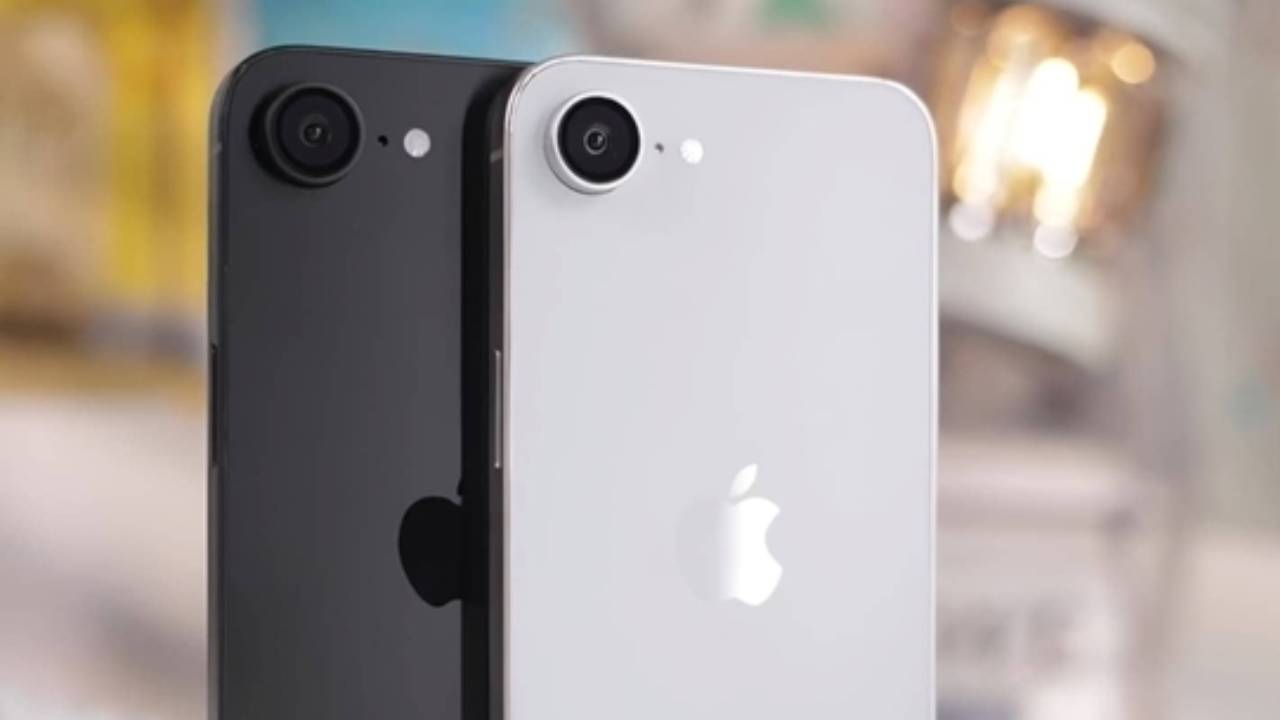
Apple recently introduced the iPhone 16e model and officially discontinued the iPhone SE 3. With this move, the company has completely ended the production of small-screen iPhones. Apple will no longer offer any models with screens smaller than 6 inches. But why did Apple decide on this strategy? Will there be a smaller model in the future? Read on for more details…
Apple Ends the Era of Small-Screen iPhones! The iPhone SE 3 is the Last Small Model to be Discontinued
You may remember that Apple launched its first iPhone in 2007 with a 3.5-inch screen. For many years, the company kept the screen size between 4 and 5 inches. In 2020, Apple tried to revive compact phones with the 5.4-inch iPhone 12 mini, but this model’s sales fell short of expectations. As a result, the iPhone 13 mini marked the end of this series.
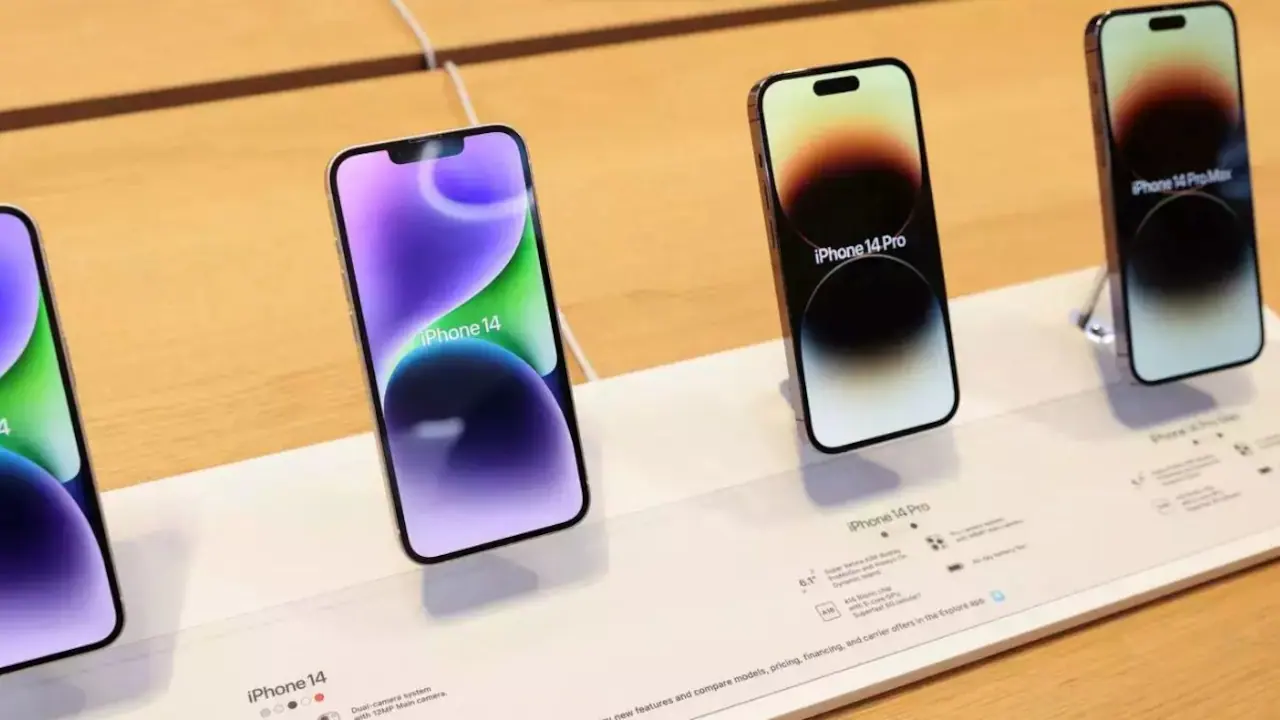
The iPhone SE 3 (2022 model) was introduced for users who wanted a small screen. However, with the discontinuation of the SE series, Apple’s smallest screens are now the 6.1-inch iPhone models. Here’s a summary of Apple’s screen sizes throughout its history:
https://en.shiftdelete.net/giant-deal-in-olympics-partnership-announced-to-last-until-2032/
- 3.5 inches – First iPhone (2007)
- 4 inches – iPhone 5 series (2012)
- 4.7 inches – iPhone 6 and SE series (2014, 2016, 2022)
- 5.4 inches – iPhone 12 mini and iPhone 13 mini (2020, 2021)
- 5.8 inches – iPhone X and iPhone 11 Pro (2017, 2019)
- 6.1 inches and above – Current iPhone models
The newly introduced iPhone 16e model comes with a 6.1-inch display, likely replacing the SE series. Currently, Apple’s smallest-screen phones are the iPhone 15, iPhone 16e, iPhone 16, and iPhone 16 Pro models. For users who prefer larger screens, options such as the 6.7-inch iPhone 15 Plus and iPhone 16 Plus, and the 6.9-inch iPhone 16 Pro Max are available.
Why Did Small-Screen iPhones End?
Apple’s decision is driven by several key reasons:
- Low Sales Figures: The iPhone 12 mini and iPhone 13 mini did not achieve the expected sales success. Users generally preferred larger-screen phones.
- Increased Content Consumption: Larger screens are more popular for activities like video watching, social media, and mobile gaming.
- Battery Performance: Smaller phones use smaller batteries, which results in shorter battery life compared to larger models.
- Production Costs: Producing different screen sizes increases costs for Apple, and continuing models with low sales doesn’t make economic sense.
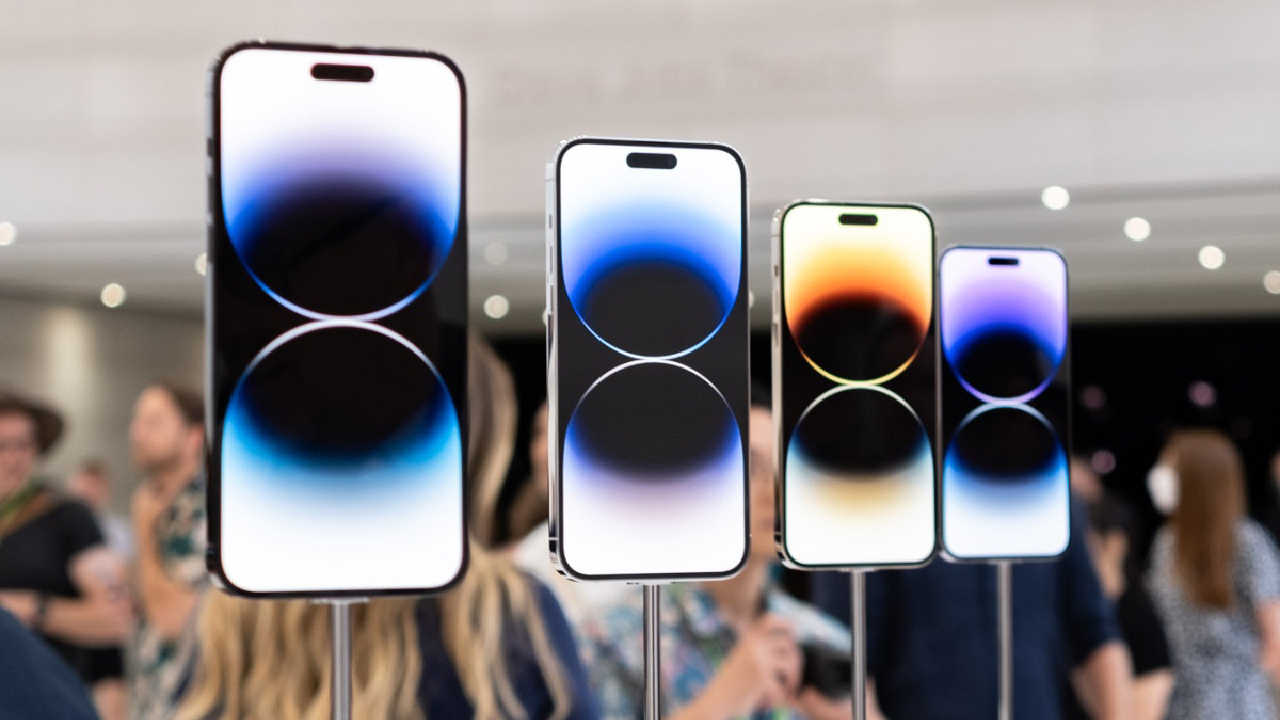
For these reasons, Apple has completely abandoned small-screen phones and streamlined the iPhone lineup. Currently, there are no leaks or hints suggesting Apple is working on a smaller iPhone. However, if market dynamics change in the future, Apple might reconsider developing a smaller model.
Do you think Apple made the right decision by completely abandoning small-screen phones? What alternatives are there for users who prefer smaller phones? Share your thoughts in the comments section below…
Your comment has been submitted,
it will be published after approval.