
Legion Go 2 Revealed: Here’s the Design

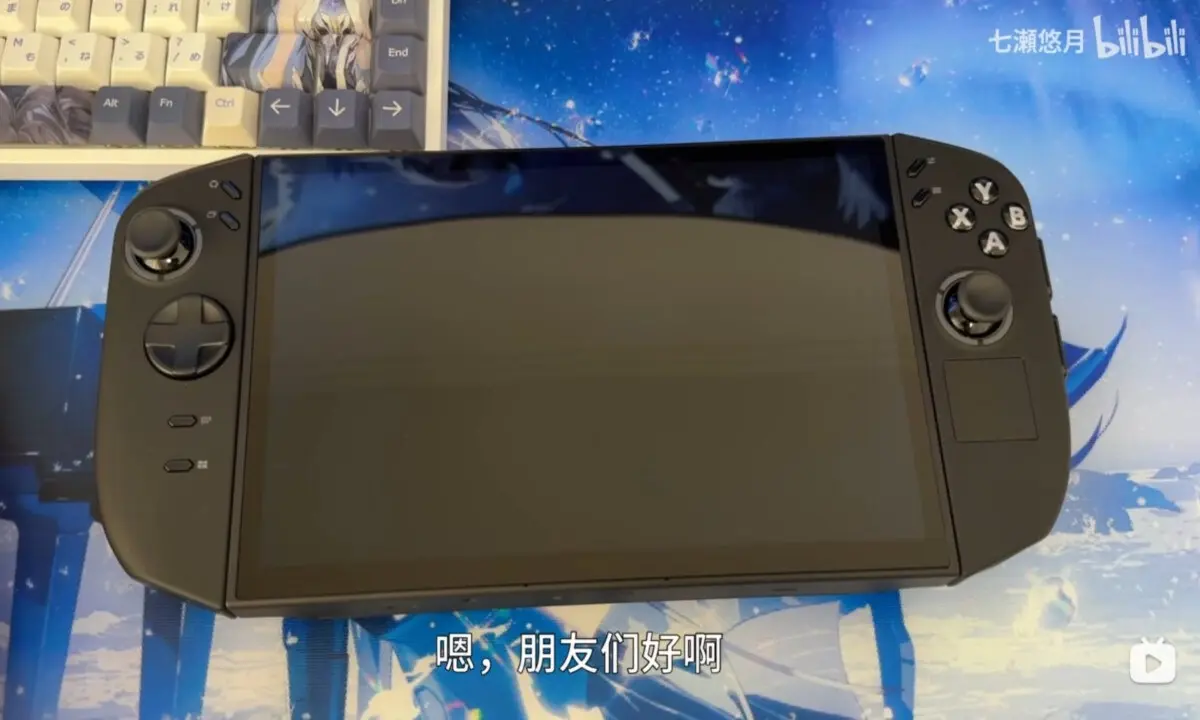
Lenovo’s next-generation portable game console, the Legion Go 2, has surfaced in China ahead of its official launch. Although the company hasn’t yet announced it, images and technical details of early prototypes of the device have leaked online. The hardware used in the prototype models contains some surprising details compared to previous expectations.
Legion Go 2 Coming Soon
The new device features AMD’s Ryzen Z1 Extreme processor, which was unveiled at CES 2025 last year. Lenovo originally planned to launch the Ryzen AI Z2 Extreme, but Z1 Extreme-based prototypes are currently being tested.
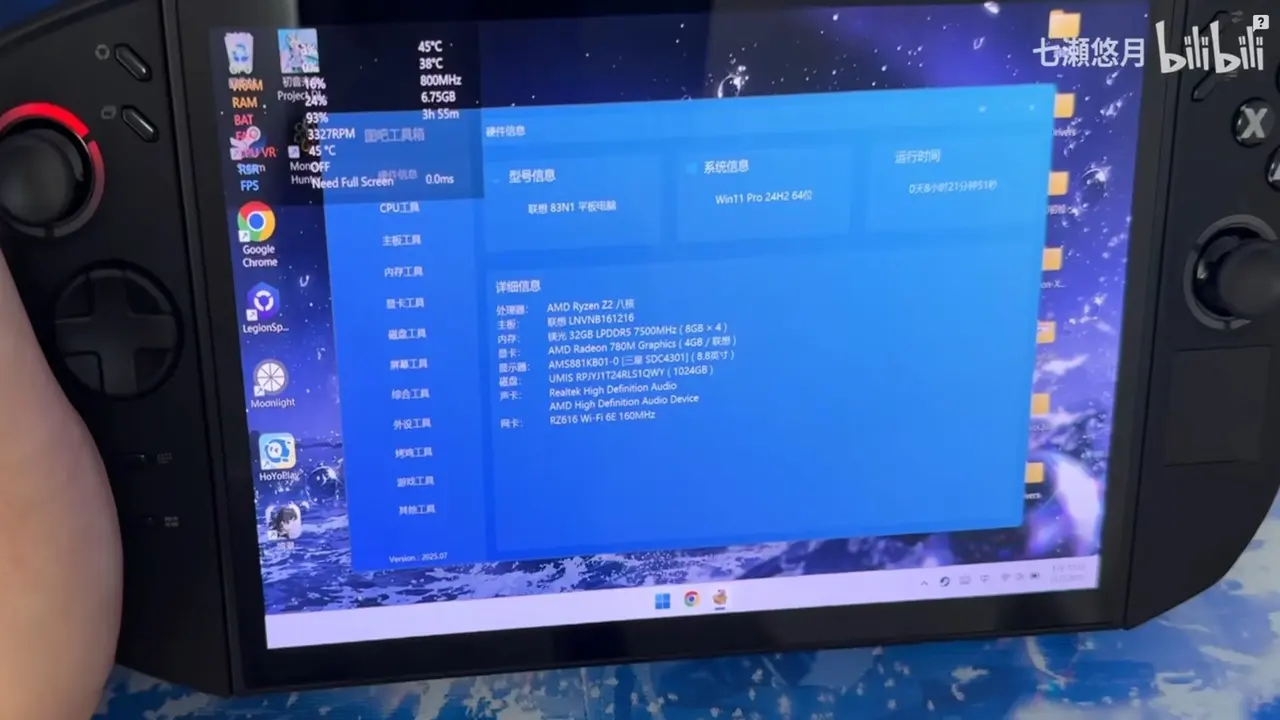
Technically, the prototypes labeled Z2 are reportedly actually running Z1 Extreme hardware. These processors are supported by 32GB of LPDDR5-7500 RAM. This increase in RAM doubles the capacity compared to the previous model.
The hardware features Lenovo’s in-house motherboard. The display is a Samsung RGB OLED display with a 1200p resolution. Wireless connectivity features a MediaTek Wi-Fi solution. The device doesn’t have a webcam. For energy efficiency, the prototype, operating at approximately 30W TDP, provides approximately 1.5 hours of use on a single charge.
The software package planned to be integrated into the device has not yet been included in the test models. Lenovo’s software is expected to provide various settings, including fan profiles, TDP limits, and a vibration motor, to the user. This software is planned to be available in the end-user version.
The Legion Go 2’s controllers, like those of its predecessor, are modular and can be switched to mouse or keyboard mode. However, the device’s weight is notable for its significant difference compared to its competitors in its class. The tested prototype weighs 938 grams, significantly more than the Zotac ZBOX’s 750 grams and the Switch 2’s 618 grams.
Lenovo has not yet released an official release date for the device. However, according to information from Lenovo’s offices in Latin America, the Legion Go 2 is scheduled for release in September. Official announcements are expected in the coming weeks to clarify the final hardware, processor selection, and software details.
Your comment has been submitted,
it will be published after approval.