
iPhone 17 Comparison: Standard vs Air vs Pro What’s Actually Different?

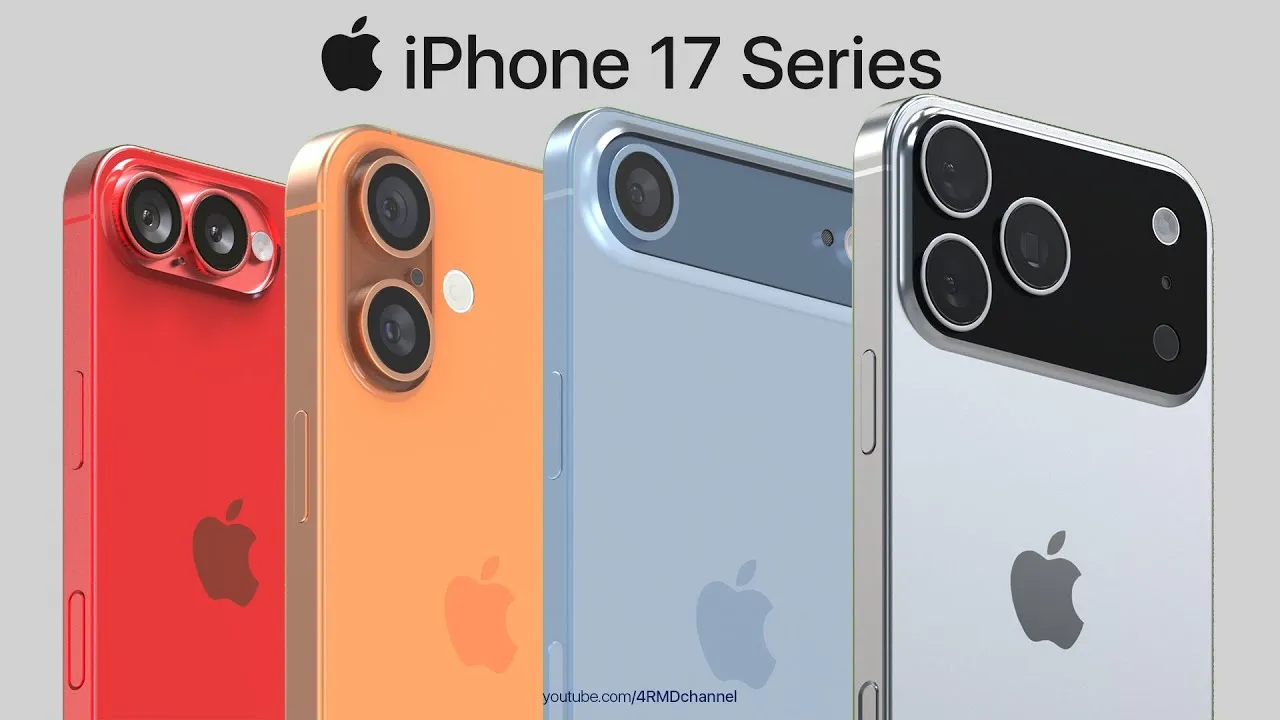
Apple’s big September 9 event is almost here, and the iPhone 17 comparison is already sparking debate. With the arrival of the new iPhone 17, iPhone 17 Air, and iPhone 17 Pro models, Apple is mixing up the formula more than usual. Whether you care about screen size, camera hardware, or raw performance, each model brings a unique set of trade-offs.
Here’s a clear breakdown of what separates them beyond just the names.
iPhone 17: A long-overdue screen upgrade
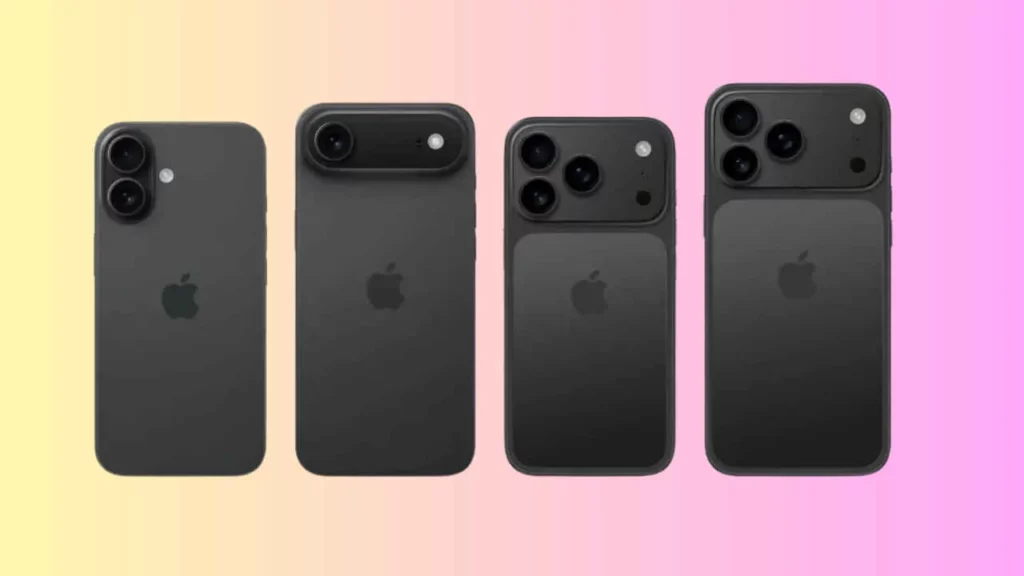
The base iPhone 17 finally closes the gap between itself and the Pro models with a few critical upgrades:
- 6.27-inch 120Hz display (a first for non-Pro iPhones)
- 24MP front camera with improved optics
- New aluminum-glass hybrid frame
- 35W fast charging + Qi 2.2 wireless support (up to 50W)
- Same A18 chipset from iPhone 16
It’s not flashy, but this is the most feature-complete standard iPhone in years. The switch to 120Hz alone is a major quality-of-life leap, and the refreshed design gives it more presence in the hand.
Apple Prepares iOS 18.7 as iOS 26 Nears Mid-September Launch
iPhone 17 Air: Thin design, light features
Apple is retiring the Plus model and replacing it with something radically different: the iPhone 17 Air. And yes, it’s thin, just 5.5mm at its slimmest point.
- 6.6-inch 120Hz display
- Ultra-thin aluminum frame
- 2,900mAh battery
- Apple C1 modem for efficiency
- A19 chip (slightly underpowered GPU)
- 48MP single rear camera
- 35W wired charging
It offers a cleaner, lighter form, but that comes at a cost. The battery is smaller than any recent iPhone, and early rumors suggest it may not last a full day. There’s also no ultrawide or telephoto camera, just one 48MP lens on the back.
iPhone 17 Pro models go full performance
The iPhone 17 Pro and Pro Max carry all of Apple’s top-tier features. The only real differences between them are screen size (6.3″ vs. 6.9″) and battery capacity.
Both Pro models are expected to include:
- 3nm A19 Pro chip
- 12GB RAM
- Triple 48MP camera system with new 8x zoom telephoto
- Vapor chamber cooling for sustained performance
- Reverse wireless charging
- New aluminum frame (ditching titanium)
- 35W wired + 50W wireless charging
- 24MP front-facing camera
If you’re planning to use Apple Intelligence or shoot serious video, this is the lineup built for it. With the upgraded cooling and chip efficiency, the Pro series looks ready to handle heavy workloads and AI features better than anything before it.
How the Three Models Stack Up Side by Side
| Feature | iPhone 17 | iPhone 17 Air | iPhone 17 Pro |
|---|---|---|---|
| Display | 6.27″, 120Hz | 6.6″, 120Hz | 6.3″/6.9″, 120Hz |
| Build | Aluminum + Glass | Ultra-thin Aluminum | Aluminum Frame |
| Battery | ~3,200mAh (est.) | 2,900mAh | Larger (Pro Max > Pro) |
| Rear Camera(s) | Dual-lens (TBD) | Single 48MP | Triple 48MP |
| Chipset | A18 | A19 (weaker GPU) | A19 Pro |
| RAM | 8GB | 8GB | 12GB |
| Charging | 35W wired / 50W wireless | Same | Same |
| Special Features | Qi 2.2 wireless | C1 Modem | Vapor cooling, reverse charge |
Which one should you wait for?
This iPhone 17 comparison shows just how sharply Apple is segmenting its lineup. The standard model is finally catching up where it counts, while the Air is clearly aimed at style-first users who value size and simplicity over battery or versatility. The Pro series, meanwhile, leans hard into power, cooling, and future-proof features.
If you’re chasing the best screen and camera tech, go Pro. Want something lighter and cleaner? Air. Just want an all-around upgrade? The base iPhone 17 finally deserves consideration.
Your comment has been submitted,
it will be published after approval.