
Vivo X300 pushes past the X200 Pro mini with bold flagship upgrades


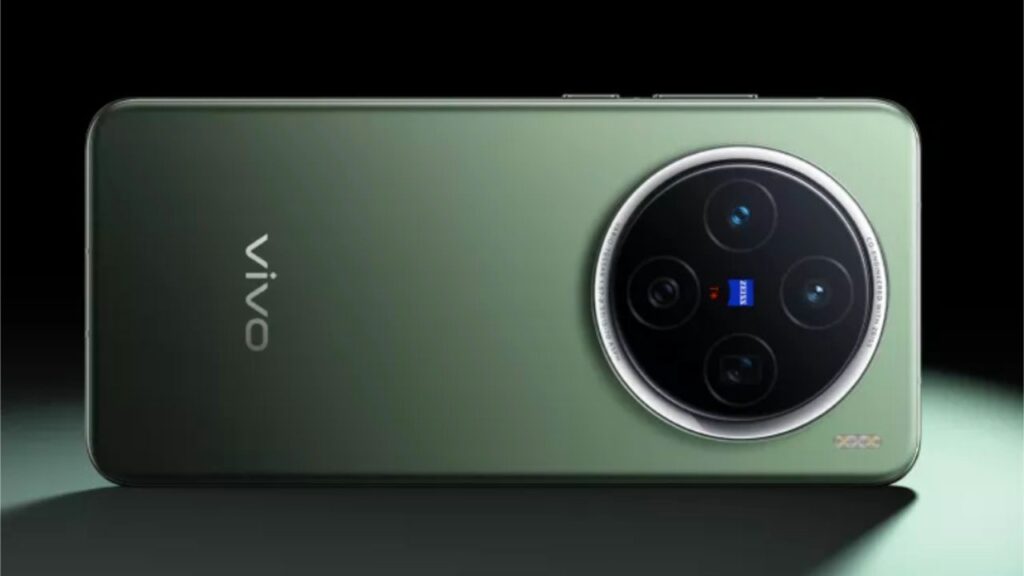
The Vivo X300 is shaping up to be more than just a successor; it’s a clear statement that the compact flagship category is far from dead. With the X200 Pro mini officially phased out, Vivo is now leaning into direct comparisons between the two, and the differences aren’t subtle.
Vivo X300 display and biometrics bring meaningful upgrades
Vivo is loading the X300 with BOE’s new Q10 Plus AMOLED display, a serious jump over the panel used in the X200 Pro mini. This new screen brings smoother visuals thanks to a 120 Hz variable refresh rate and tighter color control. But that’s not all, it’s paired with a next-gen ultrasonic fingerprint scanner that’s reportedly more accurate and responsive than anything Vivo has shipped before.
Bezels are also getting a trim. While not quite dethroning the iPhone 16 Pro in sheer thinness, the Vivo X300 still offers a more refined screen-to-body ratio compared to its predecessor.
Android smartphone crowned world’s best-seller as Apple continues to dominate overall
Cooling and charging both see improvements
Thermal management is another area where the Vivo X300 outpaces the X200 Pro mini. It features a 17% larger vapor chamber, which Vivo claims results in a 12% boost in thermal conductivity. That should mean cooler sustained performance—especially during gaming or 4K video recording.
Here’s where things really heat up:
- Vapor chamber enlarged by 17%
- 12% increase in thermal conductivity
- USB 3.2 Type-C port for faster data and power
- Up to 90 W wired charging
- 6,200 mAh battery capacity
Vivo X300 camera and durability specs outshine the mini
While the X200 Pro mini offered decent camera performance for its size, the X300 looks like it’s stepping into full flagship territory. The reported camera setup includes:
- 200 MP primary sensor
- 50 MP telephoto lens
- 50 MP ultra-wide camera
- 50 MP front-facing shooter
All of this comes wrapped in a body rated IP69, making it far more resilient to water and dust than most current-gen flagships.
Vivo X300 confirms the compact flagship still has fight left
With no X300 Pro mini on the roadmap, the standard X300 is now the compact flagship to watch. And based on specs alone, Vivo isn’t treating it like a “lite” model. Between the display upgrade, serious camera kit, and hardware refinements like cooling and biometrics, this looks like a proper evolution—not just a refresh.
Vivo’s message is clear: smaller size doesn’t have to mean smaller ambition.
Your comment has been submitted,
it will be published after approval.