
Tesla surprises with Starlink!


Tesla has filed a new patent application, taking a significant step towards directly integrating Starlink satellite receivers into its vehicles. Titled “Radio Frequency Transparent Material Vehicle Roof Arrangement,” this new design aims to allow uninterrupted satellite signals into the vehicle interior.
Tesla to integrate Starlink
This technology, which addresses the problem of glass and metal roof structures in current vehicles blocking or weakening satellite signals, involves the use of special polymer blends such as polycarbonate. This allows the antennas to be completely concealed within the roof structure, making them invisible from the outside.
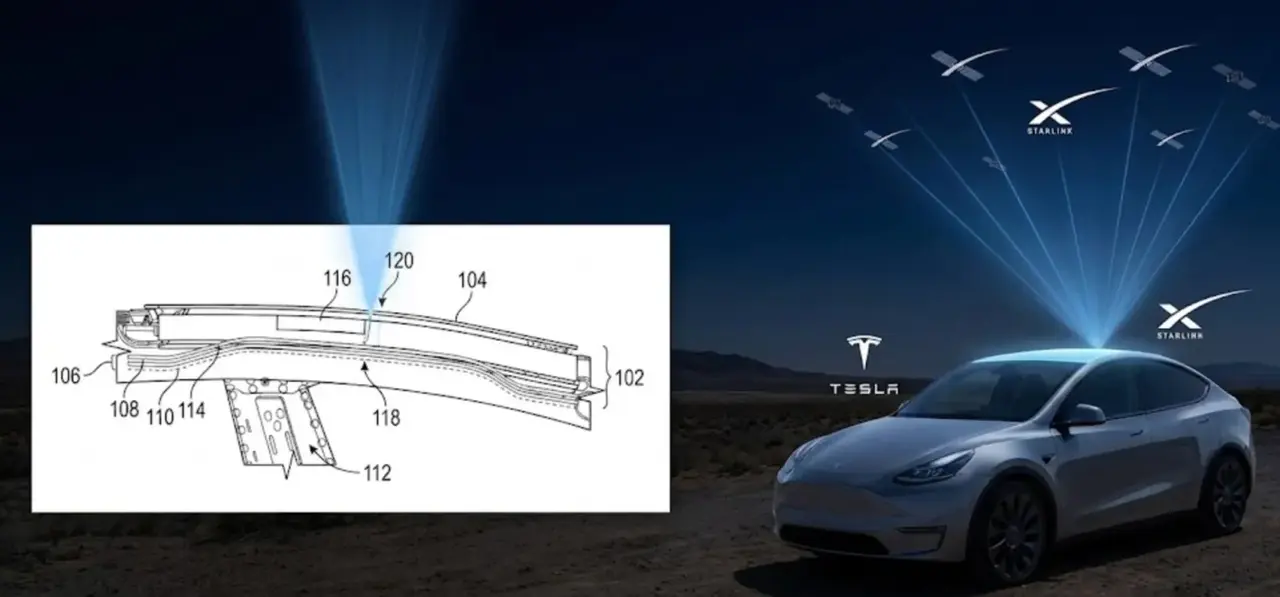
Current Tesla models rely on cellular networks for data collection, software updates, and entertainment systems. However, in rural or remote areas without cellular coverage, the vehicles’ internet connection is interrupted.
The structure described in the new patent allows the antennas to be placed directly into the roof frame, enabling clear communication with satellites. Once this technology is implemented, Tesla vehicles will automatically switch between existing 5G cellular networks and the Starlink satellite network, remaining online under all conditions.
Although the patent text doesn’t directly mention the “Starlink” brand, the described need for high-bandwidth and low-latency communication points to SpaceX’s satellite network. While some users are already known to mount Starlink Mini kits externally onto their vehicles, Tesla’s move suggests the system will be factory-installed and integrated into vehicles without compromising design integrity.
Your comment has been submitted,
it will be published after approval.