
Exynos 2600 Coming with AMD GPU!

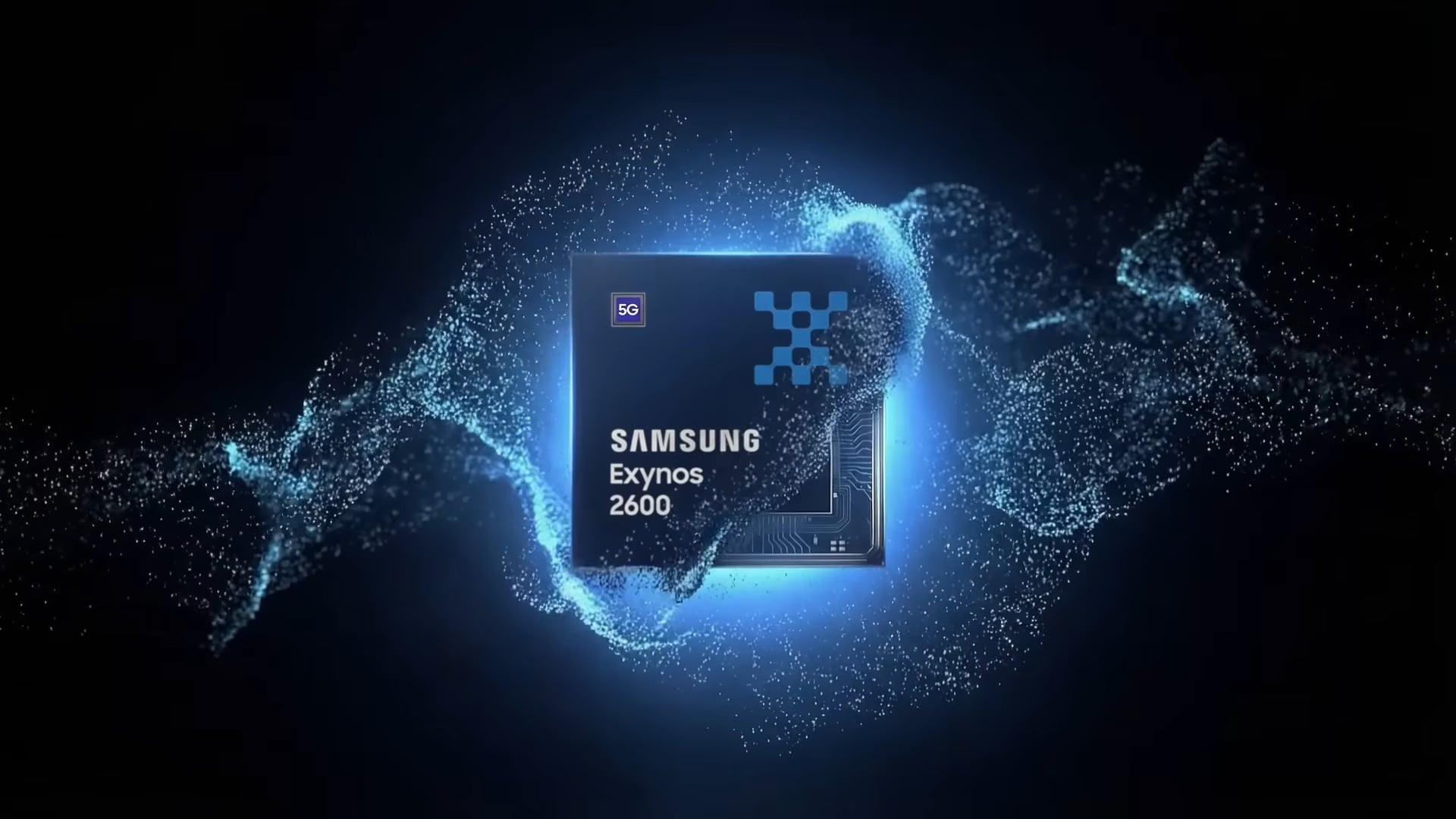
The first details regarding Samsung’s Exynos 2600 AMD GPU technology, expected to power its 2026 flagship phones, have emerged. The new chipset will utilize AMD’s latest RDNA4 architecture, aiming to revolutionize mobile gaming and graphics performance. This development represents a significant step in Samsung’s processor strategy.
Exynos 2600 AMD GPU Architecture: The RDNA4 Difference
According to leaked information, the graphics processing unit (GPU) at the heart of the Exynos 2600 is called Xclipse 960. This GPU is based on AMD’s RDNA4-based MGFX4 architecture. This new architecture significantly increases both performance and efficiency per processing unit. The Xclipse 960 GPU is said to contain a total of eight WGPs (Workgroup Processors), or 16 compute units (CUs), and operates at a clock speed of 980MHz.

Another particularly noteworthy point is the claim that the Xclipse 960 offers twice the performance, despite running at a lower clock speed of 999MHz than the Xclipse 950 GPU in the Exynos 2500. Furthermore, a 50% increase in ray tracing performance is promised compared to the previous generation. This means we will see much more realistic graphics and lighting in mobile games.
Samsung is developing a special version called MGFX to adapt AMD RDNA, a desktop-class GPU architecture, to mobile platforms. This collaboration first began with the RDNA2-based Exynos 2200. Subsequently, the MGFX3 architecture was used in the Exynos 2400 and Exynos 2500 chips. The Exynos 2600 will be the newest fruit of this partnership.
However, despite the Exynos 2600’s GPU using AMD’s RDNA4 architecture, the development process is reportedly being conducted entirely in-house by Samsung. This suggests Samsung wants more say in GPU design. Rumors even suggest that the Exynos 2800, expected in 2028, could be the first chip with a GPU architecture developed entirely by Samsung itself.
It remains to be seen how these ambitious figures presented by Samsung on paper will translate into real-world performance. Time will tell how the Exynos 2600’s gaming performance, efficiency, and positioning against competitors like Apple, MediaTek, and Qualcomm will fare.
So, what are your thoughts on the Exynos 2600 processor? Share your opinions in the comments!
Your comment has been submitted,
it will be published after approval.