
AMD Ryzen AI Halo Mini PC Launches in Q2 2026

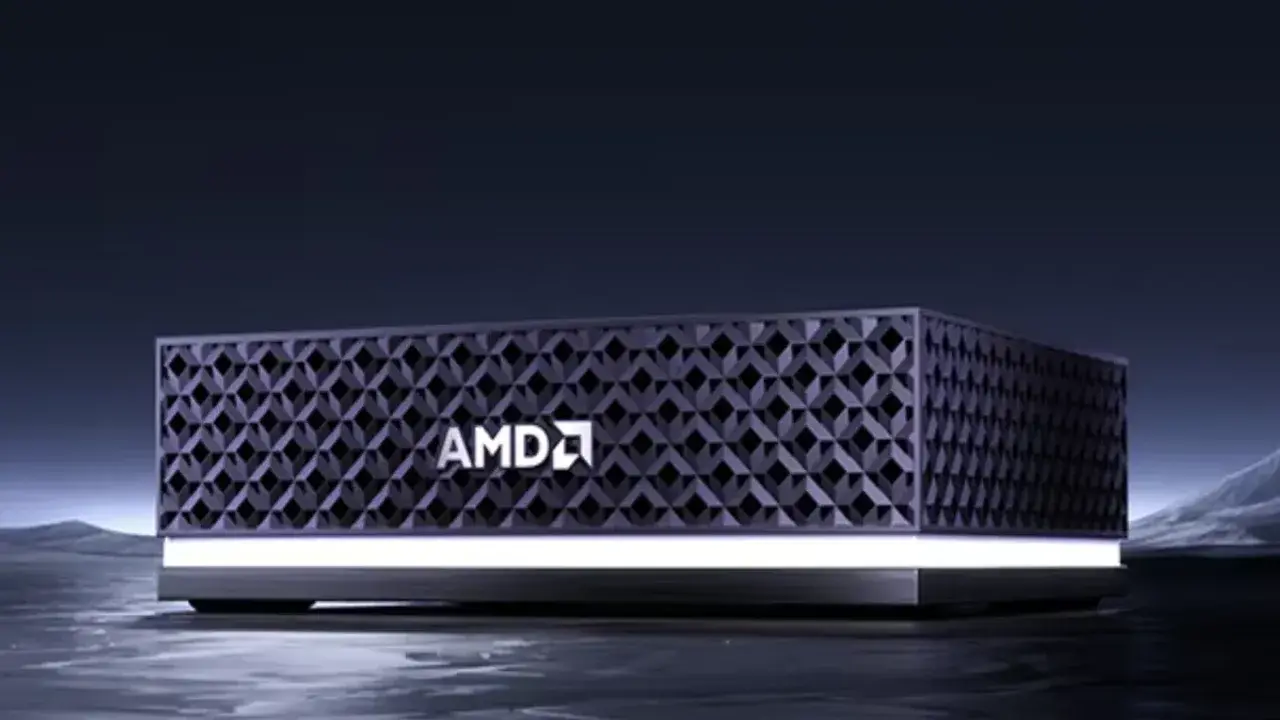
AMD has officially scheduled the release of its highly anticipated Ryzen AI Halo mini PC for the second quarter of 2026, marking a significant entry into the specialized hardware market. First unveiled at the CES 2026 trade show, this compact platform is specifically engineered to facilitate local artificial intelligence development, positioning itself as a direct competitor to the NVIDIA DGX Spark. By integrating the powerful Ryzen AI Max+ 395 processor with up to 128 GB of unified memory, AMD aims to provide developers with a robust, portable workstation capable of handling complex machine learning tasks on both Windows and Linux operating systems.
- The AMD Ryzen AI Halo features the Ryzen AI Max+ 395 processor with 16 Zen 5 cores and 32 threads.
- The device supports up to 128 GB of unified memory to enable the local execution of models with 200 billion parameters.
- The platform utilizes an XDNA 2 NPU capable of delivering over 50 peak AI TOPS for enhanced performance.
- AMD targets a Q2 2026 release date to challenge the existing NVIDIA DGX Spark market dominance.
The Hardware Architecture Delivers High Performance
The Ryzen AI Halo is far more than a conventional mini computer; it functions as a dedicated small-form-factor AI development station. At its core, the Ryzen AI Max+ 395 processor utilizes 16 Zen 5 cores and 32 threads, offering a base frequency of 3.0 GHz and a boost frequency reaching 5.1 GHz. Manufactured using TSMC’s advanced 4 nm process, the chip is equipped with 16 MB of L2 cache and 64 MB of L3 cache.
The integration of 40 RDNA 3.5 compute units via the Radeon 8060S graphics engine provides substantial graphical and computational throughput for demanding workloads.
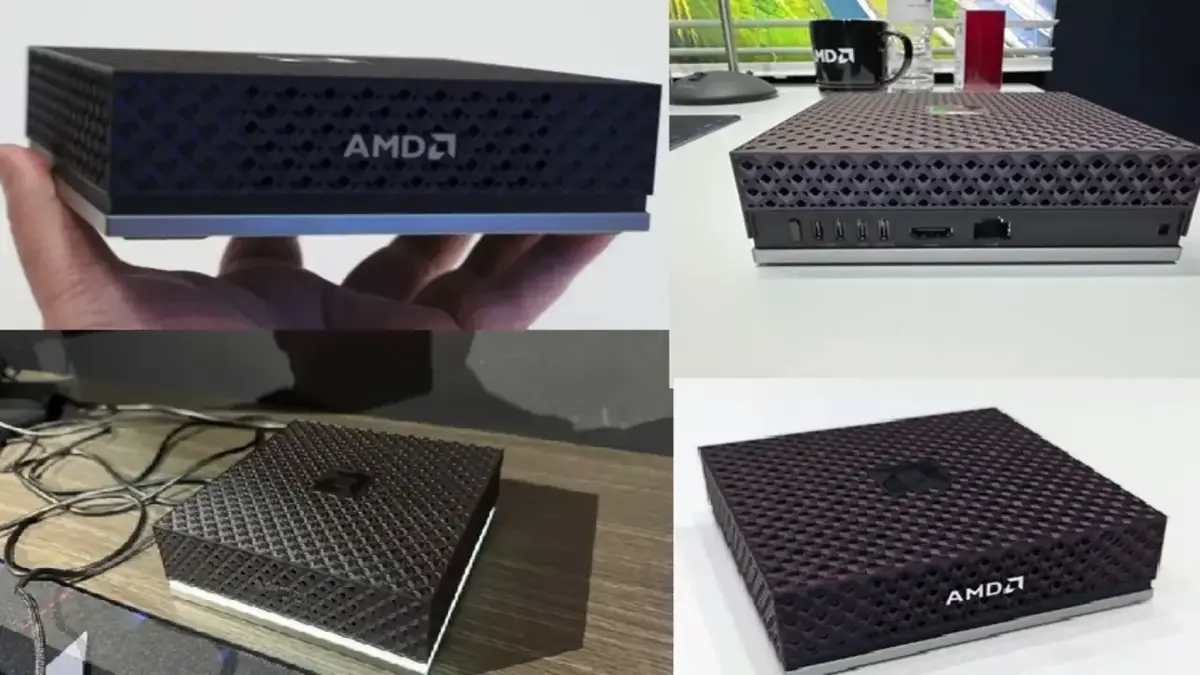
Beyond pure processing power, the machine excels in AI-specific tasks through its XDNA 2 NPU, which provides over 50 peak AI TOPS. This architecture allows developers to run models with up to 200 billion parameters locally, effectively bridging the gap between desktop workstations and enterprise-level AI training infrastructure.
Software Ecosystems Support Modern Development Workflows
AMD has ensured that the Ryzen AI Halo remains fully compatible with the latest ROCm software stack and standard developer toolchains. The platform integrates seamlessly with widely used utilities such as VS Code, LM Studio, and ComfyUI. Furthermore, the company has implemented specific optimizations for high-demand models like FLUX.2, SDXL, and GPT-OSS, ensuring that users can achieve maximum efficiency during local model deployment and fine-tuning exercises.
Market Competition Influences Strategic Pricing Decisions
The device enters a competitive landscape currently dominated by the NVIDIA DGX Spark, which is positioned at a retail price point of $4,699. While AMD has not yet disclosed the official pricing for the Ryzen AI Halo, industry analysts suggest that the final cost will be a primary factor in determining its adoption rate among professional developers. Although the hardware is more than capable of handling gaming or standard productivity tasks, AMD maintains a clear focus on generative AI workflows.
The combination of a 16-core Zen 5 processor, 128 GB of unified memory, and specialized NPU hardware sets a new standard for local development stations.
We are curious to hear your thoughts on this new developer platform from AMD. Do you believe the specifications of the Ryzen AI Halo provide a sufficient solution for your current artificial intelligence projects, or is there a specific feature you were hoping to see? Please share your professional insights and comments with us below.
Your comment has been submitted,
it will be published after approval.