
Tesla Expands Unsupervised Robotaxi Services Across Austin Metro Area

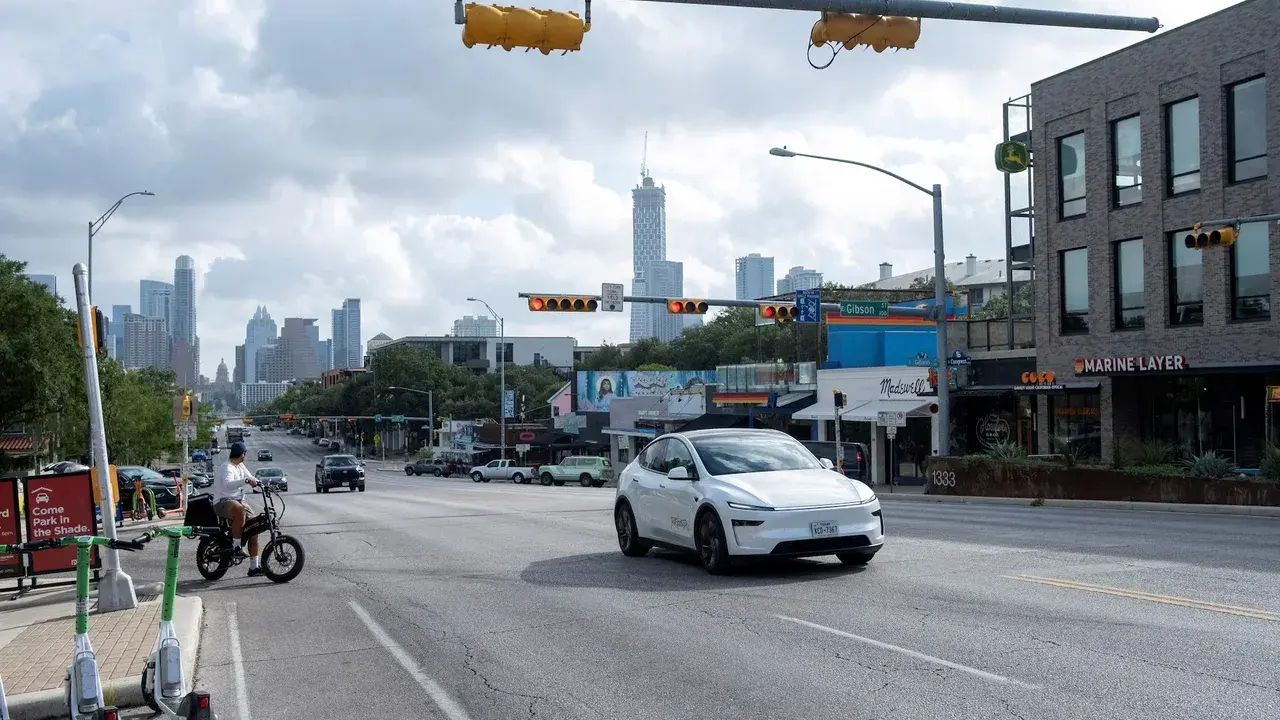
Tesla officially announced the expansion of its unsupervised robotaxi service to cover the entire Austin metropolitan area in Texas, marking a significant milestone in the company’s push toward autonomous ride-sharing. This strategic deployment, confirmed in early June 2026, signals a major escalation in the automaker’s transition from traditional electric vehicle manufacturing to a heavy focus on artificial intelligence and robotics. By broadening the availability of its driverless fleet, Tesla aims to accelerate the integration of its Full Self-Driving (FSD) software into daily transportation, positioning the technology as a cornerstone of its long-term revenue growth and future business model.
- Tesla has expanded its unsupervised robotaxi operations to encompass the full Austin, Texas, metropolitan region.
- The current service relies on approximately 50 active vehicles operating within the Austin city limits.
- Competitor Waymo maintains a larger presence in the same market with a fleet exceeding 250 autonomous vehicles.
- Elon Musk anticipates that fully autonomous, driverless vehicles will become widely available across the United States within the 2026 calendar year.
The company views its transition into autonomous ride-sharing as a critical pillar for its long-term financial success.
Autonomous Technology Defines the Future Strategy
The core of Tesla’s robotaxi initiative is the FSD software, which serves as the technological foundation for its entire autonomous ecosystem. For years, Elon Musk has pivoted the company’s internal resources toward AI and robotics, betting that the ability to offer driverless transport will eventually outperform the sales of individual hardware units. 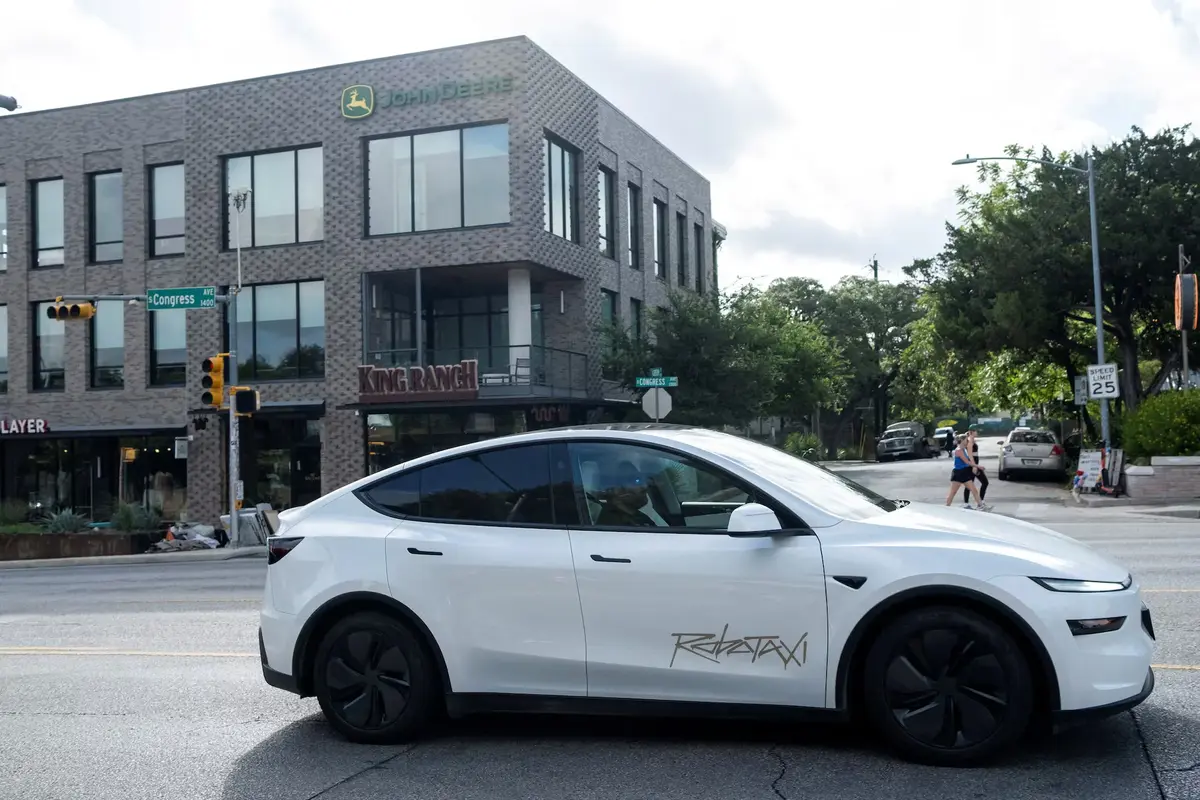
While the company is moving quickly, it faces operational hurdles. Reports from the Austin area indicate that users have experienced wait times exceeding 30 minutes, suggesting that current supply levels are struggling to meet public demand. Data from city officials confirms that Tesla currently operates about 50 vehicles in the region, a figure that highlights the early stage of this rollout compared to more mature competitors.
Competitors Maintain a Stronger Market Presence
Competition in the autonomous vehicle space remains intense, particularly in Texas. Waymo, a subsidiary of Alphabet, currently operates a fleet of more than 250 vehicles in Austin, significantly outnumbering Tesla’s current deployment. This discrepancy in fleet size underscores the challenges Tesla faces as it attempts to scale its infrastructure and achieve market parity in highly contested urban environments.
Tesla continues to challenge established market leaders by rapidly increasing its operational footprint in major Texas cities.
Expansion Efforts Continue Across Major Cities
The Austin expansion follows similar launches in Dallas and Houston earlier this year, reflecting a broader strategy to saturate major Texas markets with autonomous transit options. During recent public updates, Elon Musk reaffirmed his expectation that Tesla will achieve nationwide deployment of unsupervised robotaxis by the end of 2026. This aggressive timeline remains central to the company’s ambition to lead the global autonomous transport industry.
As Tesla continues to scale its driverless operations, we are interested in hearing your perspective on the safety and reliability of this technology; please share your thoughts in the comments section below.
Your comment has been submitted,
it will be published after approval.