
Steam Store Overhaul Sparks Concerns Over Indie Game Visibility


Valve has officially launched a major update to the Steam store homepage, introducing a redesigned interface that prioritizes visual consistency and enhanced functionality for global users. Rolled out this week, the update features larger game tiles, integrated auto-playing trailers, and a new personalized calendar tool designed to streamline navigation. While Valve aims to provide a more modern and fluid browsing experience, the changes have triggered widespread debate among developers and players. Specifically, modifications to the popular upcoming games algorithm have raised significant concerns that niche indie titles may struggle to gain visibility compared to high-budget blockbusters.
- Valve implemented a redesigned Steam storefront featuring larger game assets and improved visual consistency.
- The update introduced a personalized release calendar and integrated discovery queues to optimize user navigation.
- Algorithmic changes to the popular upcoming games section prioritize high-profile titles over smaller independent projects.
Visual Upgrades Enhance the Overall User Experience
The recent aesthetic overhaul by Valve marks a shift toward a cleaner, more intuitive digital storefront. By incorporating larger tiles and automatic video previews that trigger upon hovering, the platform allows users to digest gameplay information more rapidly. This design shift aims to reduce visual clutter, ensuring that the browsing process feels both modern and professional. 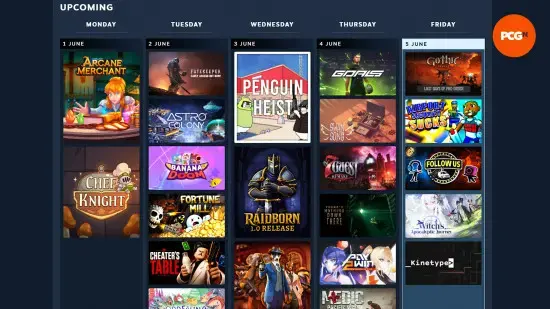
The new interface architecture elevates the game discovery process on Steam to a significantly more immersive visual standard.
Algorithmic Shifts Create Risks for Independent Developers
A primary point of contention regarding this update involves the modification of the ‘Popular Upcoming’ section. Valve has confirmed that this segment now highlights games based on specific performance criteria related to the upcoming month. While this adjustment is intended to surface the most anticipated titles, critics argue that it inherently favors large-scale productions with substantial marketing budgets. Consequently, independent developers fear that their unique projects may be pushed further down the visibility chain, making it harder for new creators to find an audience.
Valve maintains that these changes are based on extensive user feedback gathered over the past few months. Despite this justification, the indie community remains wary of the long-term impact on discoverability. The platform does allow users to customize their store preferences and filter suggestions, which may mitigate some of the algorithmic bias for individual accounts. Nevertheless, the default configuration remains a critical focal point for those monitoring the health of the indie ecosystem.
Personalized Tools Empower Individual Storefront Customization
Beyond the visual and algorithmic changes, Valve has introduced functional tools designed to give players more control over their storefront. The new personalized calendar provides a clearer view of release dates for titles that align with specific user interests. Additionally, the ability to view discovery queues directly from the homepage streamlines the exploration process. These features are intended to help users filter out noise and focus on games that match their personal gaming habits.
Users retain the ability to customize their store feed to ensure that personal preferences influence the algorithm effectively.
Do you believe the updated Steam store layout and the modified ‘Popular Upcoming’ algorithm will hinder the discovery of indie games, or does this change lead to a better overall user experience? Share your perspective in the comments section below.
Your comment has been submitted,
it will be published after approval.