
Trump Administration Discusses Potential Equity Stake in OpenAI

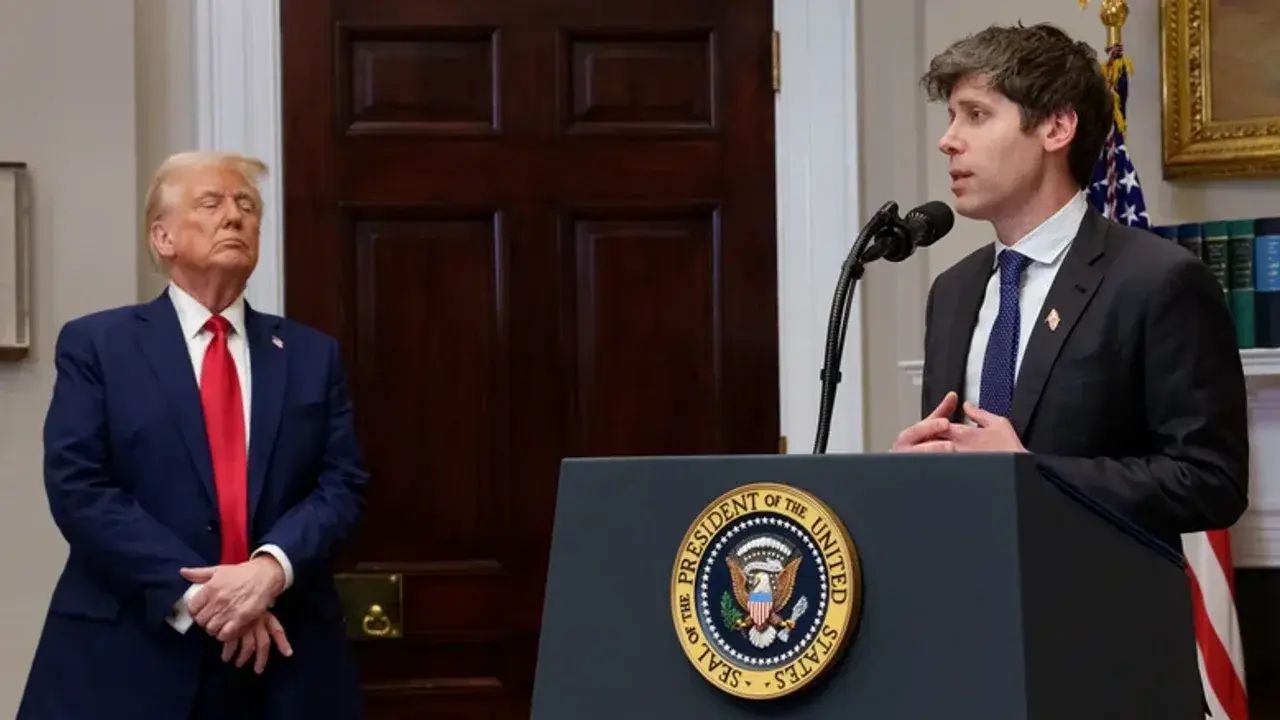
The United States government, under the Trump administration, is currently engaged in high-level discussions with OpenAI regarding a potential equity stake in the artificial intelligence firm. These negotiations, which reportedly trace back to initial proposals made by CEO Sam Altman as early as 2025, aim to strengthen the American government’s strategic presence in the rapidly evolving technology sector. While no official agreement or specific share distribution percentage has been finalized, the talks highlight a significant shift in how the federal government interacts with industry-leading AI developers to ensure national oversight and long-term economic alignment.
- The Trump administration and OpenAI are negotiating a potential equity transfer to increase government influence in the AI sector.
- The proposed structure mirrors the Public Wealth Fund concept intended to distribute AI-driven economic benefits to citizens.
- New executive orders mandate that all advanced AI models must undergo rigorous government safety testing before public release.
The potential acquisition of an equity stake signals a profound shift toward state-backed governance of critical artificial intelligence technologies.
Negotiations Reflect Public Wealth Fund Objectives
This potential partnership draws significant parallels to the Public Wealth Fund initiative previously announced by OpenAI. The company’s industrial policy draft, released in April, outlined a framework designed to ensure that the general public derives tangible value from the economic growth spurred by artificial intelligence. By integrating this vision with government participation, both parties are exploring ways to formalize the distribution of prosperity generated by these powerful computational tools.
The U.S. government has previously demonstrated its willingness to acquire equity in major corporations to safeguard national interests. A notable precedent is the government’s acquisition of a 10 percent stake in Intel, which was secured following an investment of approximately 9 billion dollars. This strategy reflects a broader trend of Washington exerting direct influence over the technological infrastructure deemed vital to national security and global competitiveness. 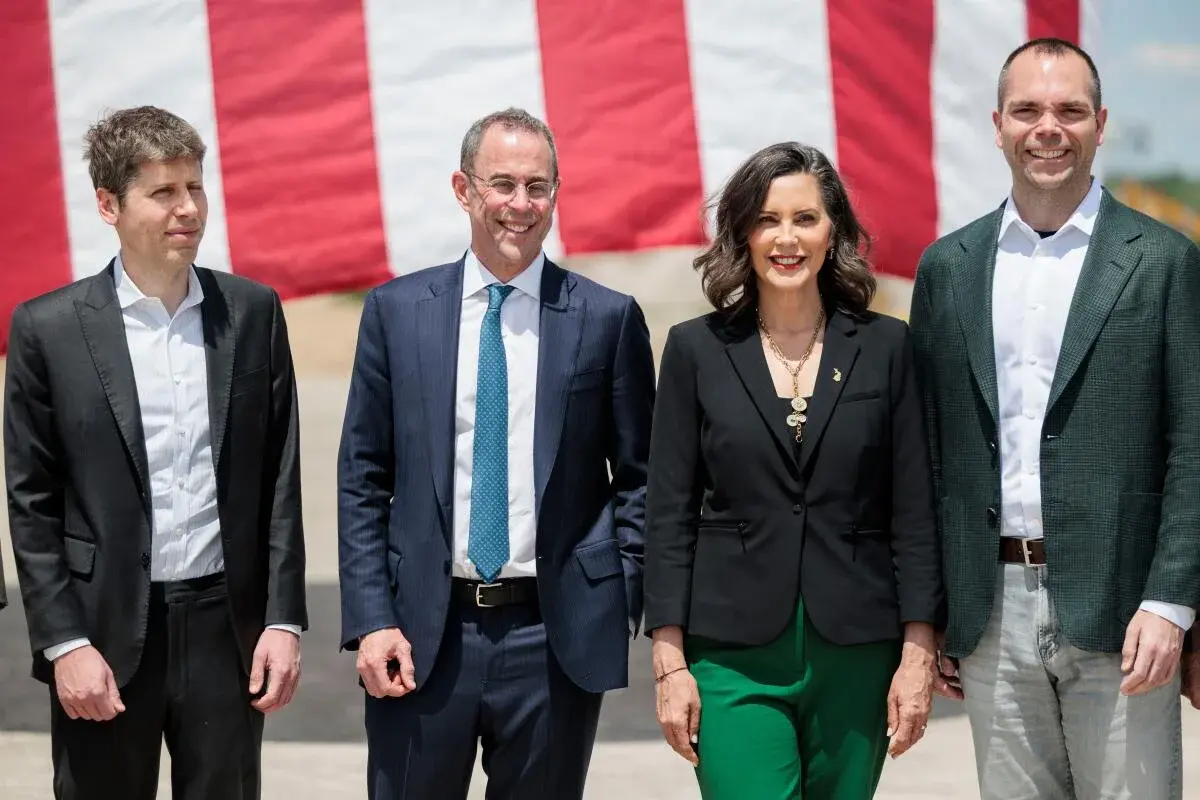
Government Mandates Strengthen Regulatory Oversight
Sam Altman’s ongoing dialogue with policymakers in Washington is accelerating the development of a comprehensive regulatory framework for the artificial intelligence industry. The Trump administration has taken decisive action by signing an executive order that requires developers to submit their models for state-led inspection before they are introduced to the general public. This policy effectively ends the era of self-regulation for top-tier AI firms. 
Despite the competitive pressures within the technology sector, OpenAI has officially committed to full compliance with these new federal standards. The leadership at the company confirmed that their latest models will be subject to government review as part of a transparency initiative aimed at mitigating potential risks associated with advanced machine learning. This move underscores a fundamental change in the relationship between Silicon Valley and the federal government, where regulatory compliance now precedes product deployment.
Government regulators are now positioned as the final gatekeepers for the release of the most advanced artificial intelligence models.
Strategic Control Remains the Primary Objective
While the specific financial details and structural outcomes of these discussions remain confidential, the trajectory of the talks suggests a clear intention by the United States to secure its dominance in the global AI landscape. By embedding itself within the ownership structure of key companies, the government intends to ensure that national interests remain at the forefront of technological advancement. The coming months will likely see further developments as both parties attempt to balance innovation with necessary state oversight.
We are interested to hear your perspective on this development; do you believe it is beneficial for the government to hold equity in the nation’s most influential technology companies, or does this risk stifling private sector innovation? Please leave your thoughts in the comments section below.
Your comment has been submitted,
it will be published after approval.