
Google Taps Into Residential Power for Data Center Needs


In an innovative effort to satisfy the surging energy demands of its artificial intelligence and cloud computing infrastructure, Google has entered into a three-year strategic partnership with Voltus. Announced this week, the initiative aims to leverage distributed energy capacity from thousands of households to support the tech giant’s massive data centers. By tapping into residential energy management systems, Google seeks to bypass the limitations of traditional, centralized power generation, effectively turning consumer smart devices into a supplemental power grid. This pilot project marks a significant shift in how large-scale corporations address the environmental and infrastructural challenges associated with the rapid growth of AI technologies.
- Google has signed a three-year agreement with Voltus to manage distributed energy resources for data center support.
- The system utilizes smart thermostats and residential batteries to aggregate up to 100 megawatts of power.
- Participating devices automatically adjust energy usage or supply stored power to the grid during peak demand periods.
- The initiative serves as a supplement to Google’s ongoing investments in traditional and nuclear energy sources.
Household Devices Act as a Distributed Power Network
The core of this strategy involves the PJM grid, where Voltus aims to integrate as much as 100 megawatts of energy annually. Through a sophisticated software platform, the company maintains real-time connectivity with residential hardware. This allows for constant monitoring of energy flow across thousands of connected homes, ensuring that the system can respond instantly to fluctuations in regional demand.
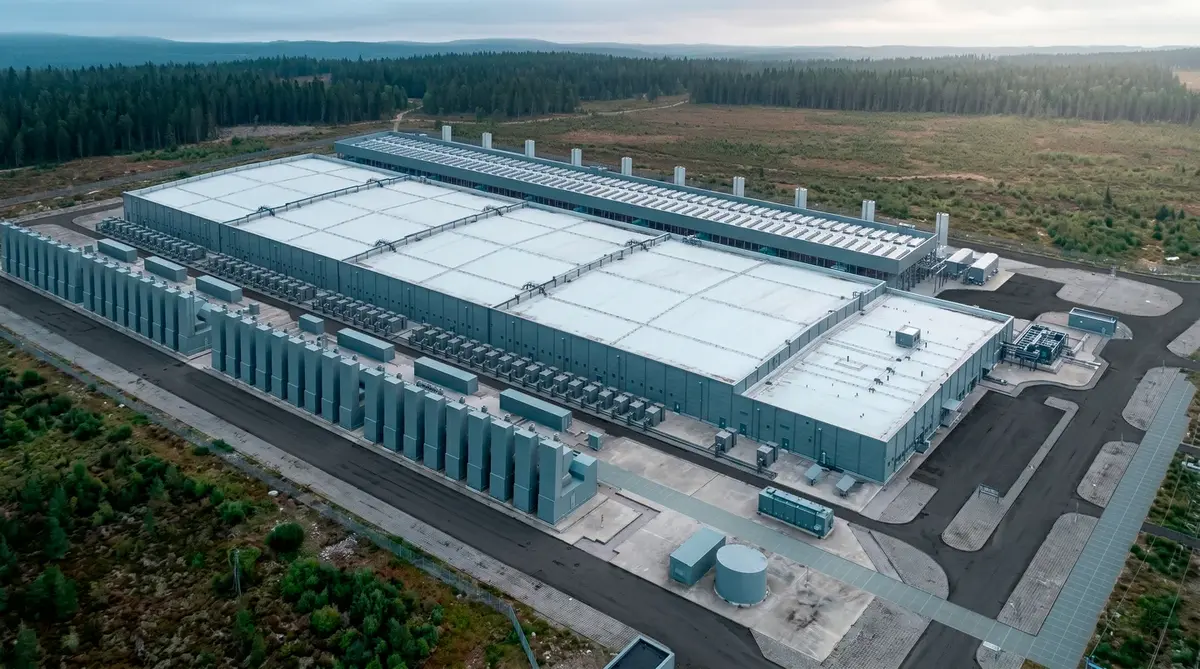
When grid demand reaches critical thresholds, the platform triggers a coordinated response among participating household devices. In some instances, battery units discharge stored power back into the system, while in others, smart climate control systems temporarily reduce power consumption to alleviate strain. Google emphasizes that these adjustments are brief—typically lasting only a few minutes—and are designed to remain entirely imperceptible to the homeowners involved.
This distributed model successfully transforms everyday consumer electronics into an essential component of large-scale infrastructure stability.
Reliability Challenges Impact the Scalability of the Project
Despite the technological promise, industry experts are raising valid concerns regarding the long-term reliability of a volunteer-based energy network. Because the system depends on individual household participation, there is a risk of inconsistency. For example, homeowners might manually override settings or disconnect their devices from the network without prior notice, creating potential gaps in the expected energy supply.
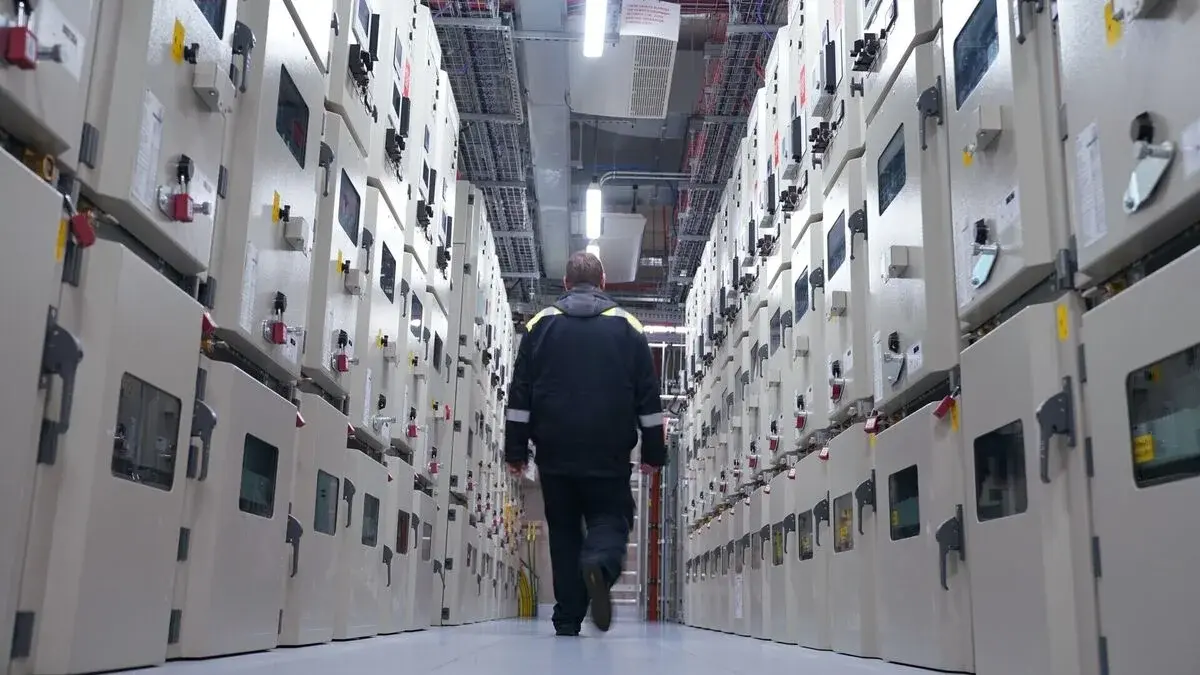
Furthermore, while 100 megawatts represents a notable achievement for a pilot program, it remains a fraction of Google’s total global energy requirements. The company continues to pursue more robust, centralized energy solutions, including significant investments in modular nuclear reactors, which are projected to generate ten times the capacity of this distributed network. This dual approach indicates that while household energy is a useful tool, it is not currently a substitute for large-scale, dedicated power production.
The integration of residential energy represents a paradigm shift in how tech companies manage their ecological footprint. As AI systems continue to demand more electricity, the reliance on such creative, distributed solutions is likely to grow in importance.
We would love to hear your perspective on this energy-sharing model. Would you be willing to allow a tech company to manage your home devices for the sake of grid stability? Share your thoughts in the comments section below.
Your comment has been submitted,
it will be published after approval.