
Tesla Formally Applies for Full Self-Driving Launch in Turkey

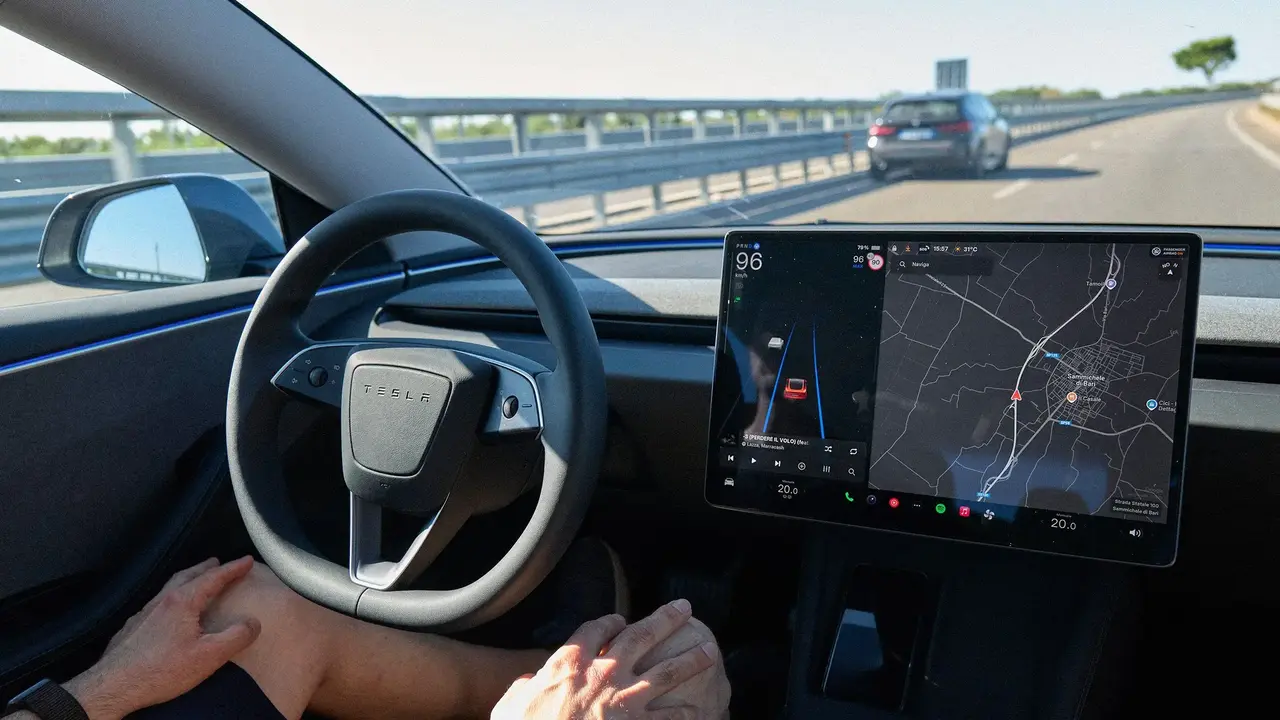
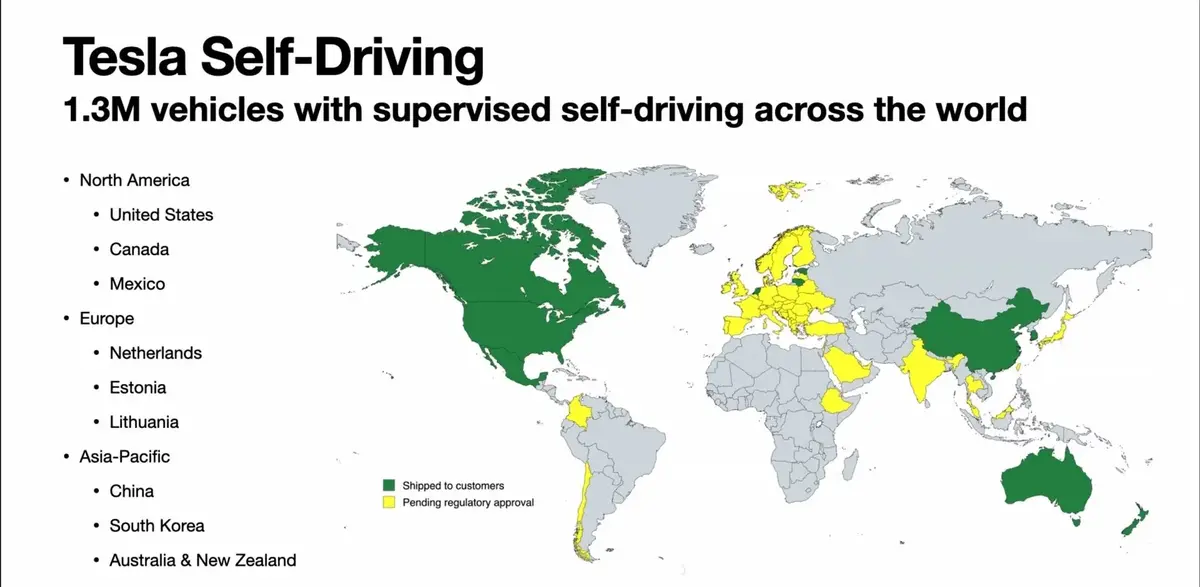
Tesla has officially initiated the legal process to introduce its Full Self-Driving (FSD) technology to the Turkish market, marking a significant milestone for the country’s electric vehicle sector. During the CVPR 2026 conference, Ashok Elluswamy, Tesla’s Vice President of AI, revealed a global roadmap where Turkey is now listed among nations awaiting official regulatory approval. This strategic move aligns with Tesla’s broader expansion across Europe, following recent approvals in countries like the Netherlands and Estonia. If authorized, Turkish Tesla owners will soon experience advanced autonomous features including city navigation and traffic light recognition through software updates.
- Tesla has submitted official applications to Turkish regulatory bodies to permit Full Self-Driving capabilities.
- The software deployment will prioritize vehicles equipped with the latest AI4 Hardware 4 computer systems.
- A monthly subscription model priced at 4,990 TL has been established to facilitate user access to autonomous features.
Tesla’s recent presentation at the CVPR 2026 conference has sent ripples through the automotive industry, particularly in Turkey. Ashok Elluswamy, the Vice President of AI at Tesla, shared a comprehensive global roadmap that highlights the company’s aggressive push toward full autonomy. For the first time, Turkey has been officially categorized as a country where legal applications for the Full Self-Driving (FSD) system have been submitted and are currently awaiting approval. This development suggests that the era of artificial intelligence taking the wheel on Turkish highways is closer than ever before.
The application process is part of a broader European strategy. Tesla has already secured the necessary permits in several European nations, including the Netherlands, Estonia, and Lithuania. By aligning its FSD software with European Union safety regulations, Tesla has paved the way for a synchronized rollout that includes the Turkish market. The Turkish Ministry of Transport and Infrastructure, along with relevant information technology authorities, are now reviewing the technical documentation to ensure the software meets local safety and traffic standards.
The formal inclusion of Turkey in Tesla’s global FSD roadmap marks a transformative moment for the nation’s burgeoning electric vehicle ecosystem.
Tesla Expands Its Global Roadmap as Turkish Applications Commence
The transition to autonomous driving involves more than just software updates; it requires a deep understanding of local driving environments. For months, Tesla has been utilizing its existing fleet of vehicles in major cities like Istanbul to gather critical data. These vehicles, operated by local partners, have been mapping out complex traffic patterns, diverse road signs, and unique lane configurations. This localized data is fed back into Tesla’s neural networks, allowing the AI to learn the nuances of Turkish roads before the system is officially activated.
When the legal hurdles are cleared, the FSD suite will offer a range of high-level features. Drivers will be able to utilize navigate-on-autopilot for city streets, which includes the ability to handle intersections, recognize traffic lights, and execute automatic lane changes. This technology does not require additional hardware installations for existing owners who already possess the compatible computer systems, as the functionality is delivered via over-the-air (OTA) software updates.
Sophisticated AI Hardware Ensures That Safety Standards Improve
Technical compatibility remains a primary focus for the upcoming rollout. According to the roadmap, the initial phase of the FSD activation in Turkey will prioritize vehicles equipped with the latest AI4 (Hardware 4) computer. This hardware generation features enhanced processing power and a more advanced camera suite, which are essential for meeting the stringent safety requirements set by European and local regulators. While older models with Hardware 3 may eventually receive support, the current focus is on ensuring the highest level of precision through the AI4 architecture.
By prioritizing the most advanced hardware, Tesla aims to minimize risks and demonstrate the safety benefits of AI-assisted driving on complex urban roads.
The move toward a subscription-based model also reflects a shift in Tesla’s commercial strategy in Turkey. Previously, the company offered high-cost one-time purchase packages for its autonomous features. However, to make the technology more accessible to a wider demographic, Tesla Turkey has introduced a monthly subscription plan priced at 4,990 TL. This approach allows users to test the features without a massive upfront investment, potentially accelerating the adoption of autonomous technology across the country.
Local Data Collection Helps How Autonomous Systems Adapt
The integration of FSD into the Turkish market is expected to spark a new wave of competition among electric vehicle manufacturers. As Tesla moves closer to full autonomy, local and international competitors will likely feel the pressure to enhance their own driver-assistance systems. The success of this rollout depends heavily on the ongoing dialogue between Tesla and Turkish regulatory bodies. Ensuring that the AI can reliably navigate the high-density traffic of Istanbul or the mountainous terrains of Anatolia is a challenge that Tesla appears ready to meet.
As the legal review continues, the automotive community remains watchful. The potential for reduced traffic accidents and improved commute efficiency makes the FSD approval a highly anticipated event. If the timeline follows the patterns seen in Northern Europe, Turkish drivers could see the “Request FSD” button appear on their screens within the coming months, provided the final regulatory signatures are secured.
Do you think Turkish roads and traffic culture are ready for fully autonomous driving, or should we wait for more testing? Share your thoughts and expectations in the comments below!
Your comment has been submitted,
it will be published after approval.