
Samsung Galaxy Z Flip 8 Receives Official FCC Approval

Samsung has reached a critical milestone in the development of its upcoming foldable device, as the Samsung Galaxy Z Flip 8 has officially secured certification from the United States Federal Communications Commission (FCC). Identified by the model number SM-F776U, this version is specifically tailored for the North American market to ensure full compatibility with regional network infrastructures. The certification process confirms that the device will utilize a high-performance Snapdragon chipset for its U.S. release, marking a significant step forward as the company prepares for its global product launch. This regulatory approval validates the device’s readiness for widespread commercial availability.
- The Samsung Galaxy Z Flip 8 has completed the FCC certification process under the model identifier SM-F776U.
- New hardware integration includes native support for NB-NTN B255 satellite communication technology.
- Regional hardware strategies dictate that the U.S. variant will exclusively feature a Snapdragon processor.
- Engineers have implemented a redesigned hinge mechanism to mitigate visible display creasing.
Satellite Connectivity Enhances Emergency Communication Capabilities
One of the most notable revelations from the recently released FCC documentation is the inclusion of NarrowBand Non-Terrestrial Network (NB-NTN) B255 support. This integration allows the Samsung Galaxy Z Flip 8 to establish direct communication links via satellite, providing a vital lifeline for users located outside traditional cellular coverage areas. Mirroring features observed in premium flagship competitors, this technology elevates the safety standards for the foldable form factor. 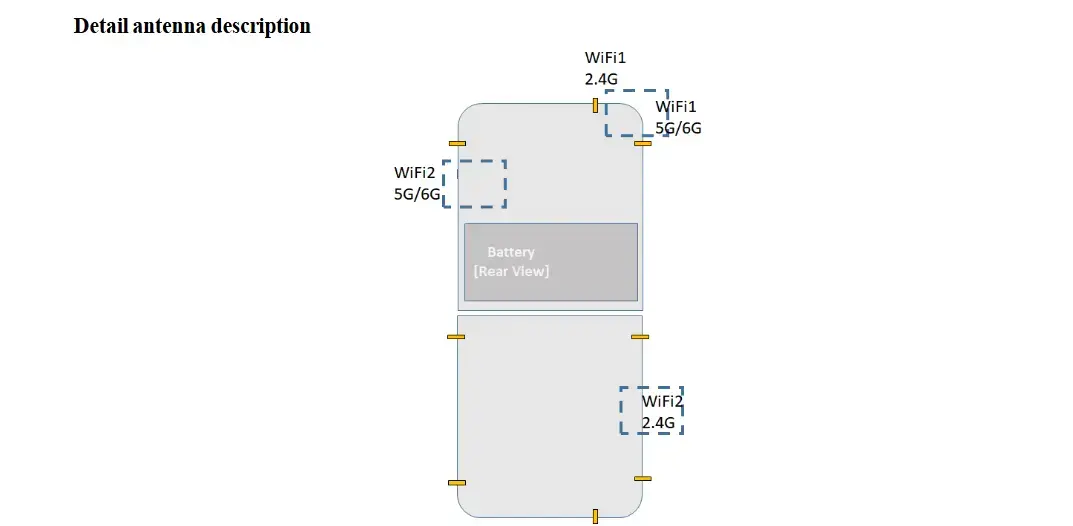
The integration of satellite connectivity redefines safety standards for the modern foldable smartphone market.
Hardware Evolution Focuses on Structural Refinement
While the internal specifications suggest a shift toward architectural maturity rather than a radical overhaul, the device introduces meaningful physical upgrades. Samsung has prioritized the development of a sophisticated hinge design specifically engineered to minimize the crease on the foldable display, addressing a long-standing point of contention for consumers. Current reports indicate that the company is maintaining consistency with existing battery capacities and camera sensor configurations for this iteration.
The strategic deployment of processors remains split by region, with the Exynos 2600 chipset expected for European and South Korean markets, while the Snapdragon platform remains the standard for the rest of the world. Furthermore, the inclusion of DisplayPort support enhances the utility of the device for professionals who require external display connectivity. 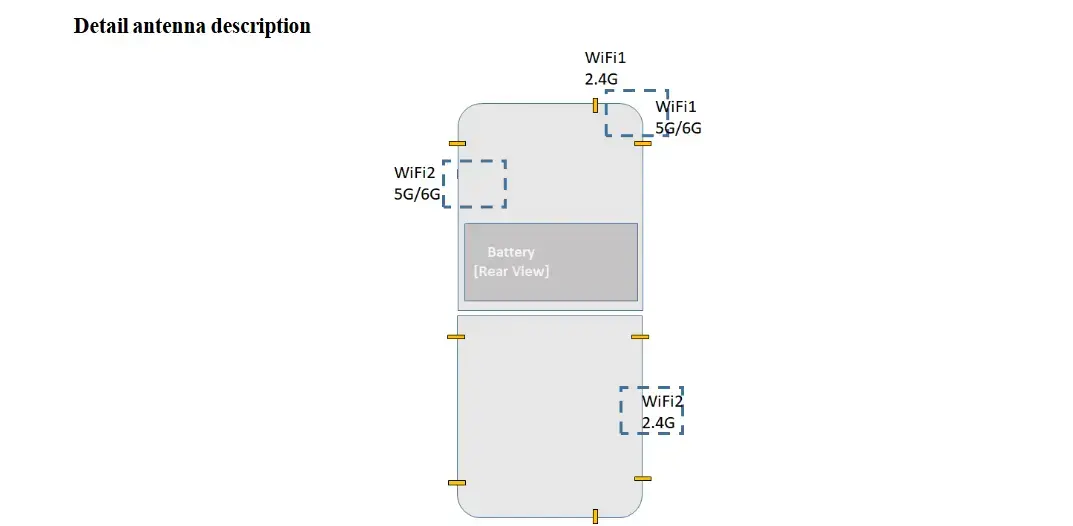
The implementation of a new hinge design represents a significant advancement in foldable screen durability.
Market Analysts Evaluate Strategic Development Priorities
Industry experts observe that the Samsung Galaxy Z Flip 8 reflects a calculated approach to maintaining market leadership. By emphasizing software integration and structural durability over hardware excess, Samsung aims to stabilize its position within the competitive foldable sector. The upcoming release serves as a litmus test for how effectively foldable technology can transition into the mainstream consumer segment. As the company continues to refine its foldable roadmap, the focus remains on delivering a seamless user experience that balances cutting-edge innovation with daily practical requirements.
We are curious to hear your perspective on whether the decision to prioritize structural improvements over battery or camera upgrades will influence your purchase decision; please share your thoughts in the comments section below.
Your comment has been submitted,
it will be published after approval.