
DDR5 RAM Prices Expected to Remain High for Two Years

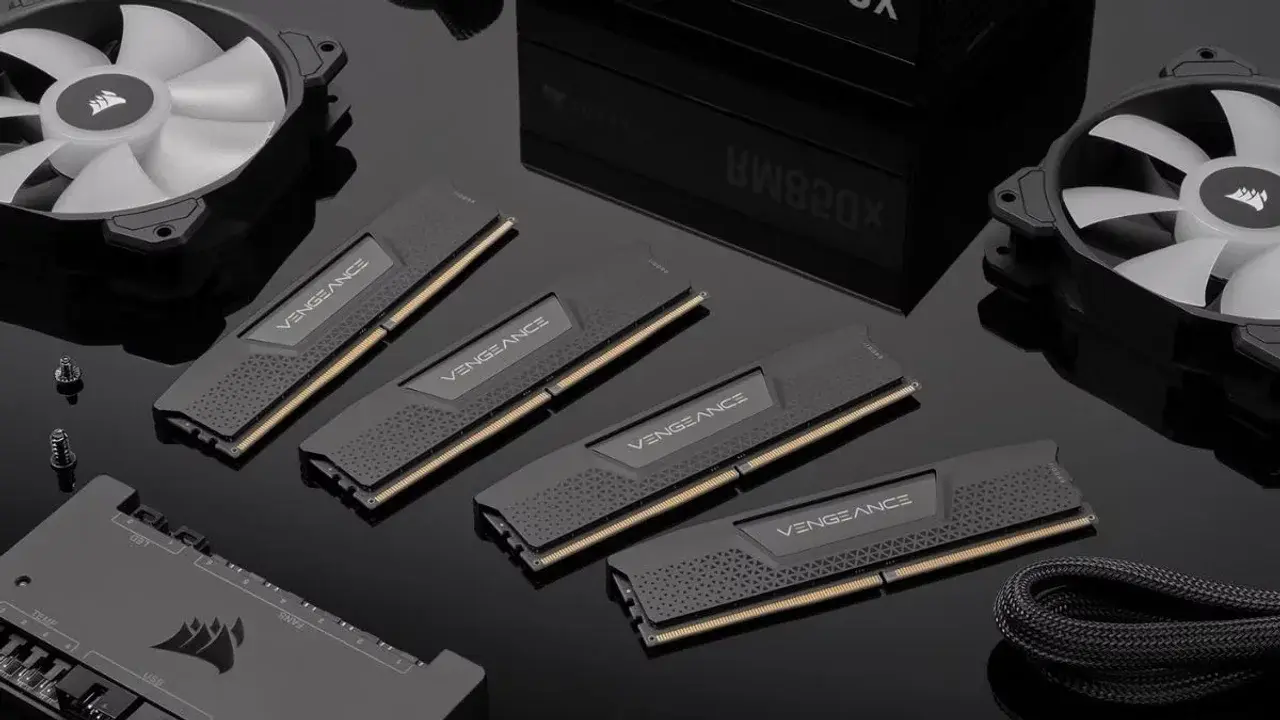
During the Computex 2026 event, AMD Executive Vice President David McAfee provided a candid assessment of the current hardware market, specifically addressing the ongoing concerns regarding DDR5 RAM prices. McAfee stated that the significant cost increases, driven primarily by the explosive demand for artificial intelligence-focused data centers, are unlikely to stabilize for at least two years. This supply-demand imbalance continues to exert heavy pressure on both individual consumers and hardware manufacturers who are struggling to navigate the volatile pricing landscape of modern computing components.
- The surge in demand for artificial intelligence infrastructure significantly inflates DDR5 memory costs.
- AMD executive David McAfee estimates a two-year recovery period for the DDR5 market to stabilize.
- Production capacity expansions by manufacturers do not currently provide immediate relief for the market.
Artificial Intelligence Technologies Limit Memory Supply
Modern artificial intelligence models require immense computational power, which has pushed the demand for high-performance, high-capacity memory to unprecedented levels. DDR5 RAM has become the cornerstone of contemporary server architectures, yet the manufacturing sector has struggled to scale production at the same pace as the industry’s requirements. This scarcity has triggered a global price surge that affects every sector of the technology market.
While industry leaders are actively working to scale their operations, the complexity of semiconductor manufacturing means that increasing output is a slow and capital-intensive endeavor. McAfee’s insights indicate that this is not merely a temporary bottleneck but a structural shift in how memory resources are allocated globally.
Elevated memory costs have emerged as the most significant hurdle currently hindering hardware investments across the technology sector.
Manufacturers Are Attempting to Expand Production Capacities
Hardware producers are aggressively investing in new fabrication facilities and advanced production lines to address the ongoing supply constraints. However, the transition to increased capacity takes significant time, often spanning several years before the benefits are fully realized in the retail market. McAfee emphasized that while companies are committed to resolving these shortages, stakeholders must remain patient as market conditions undergo a slow transformation.
The appetite for high-bandwidth DDR5 modules extends well beyond the AI sector, as gaming PCs and professional workstations have also standardized these faster modules. This broad-based adoption ensures that demand remains consistently high, making it increasingly difficult for supply chains to find a sustainable equilibrium in the near term. 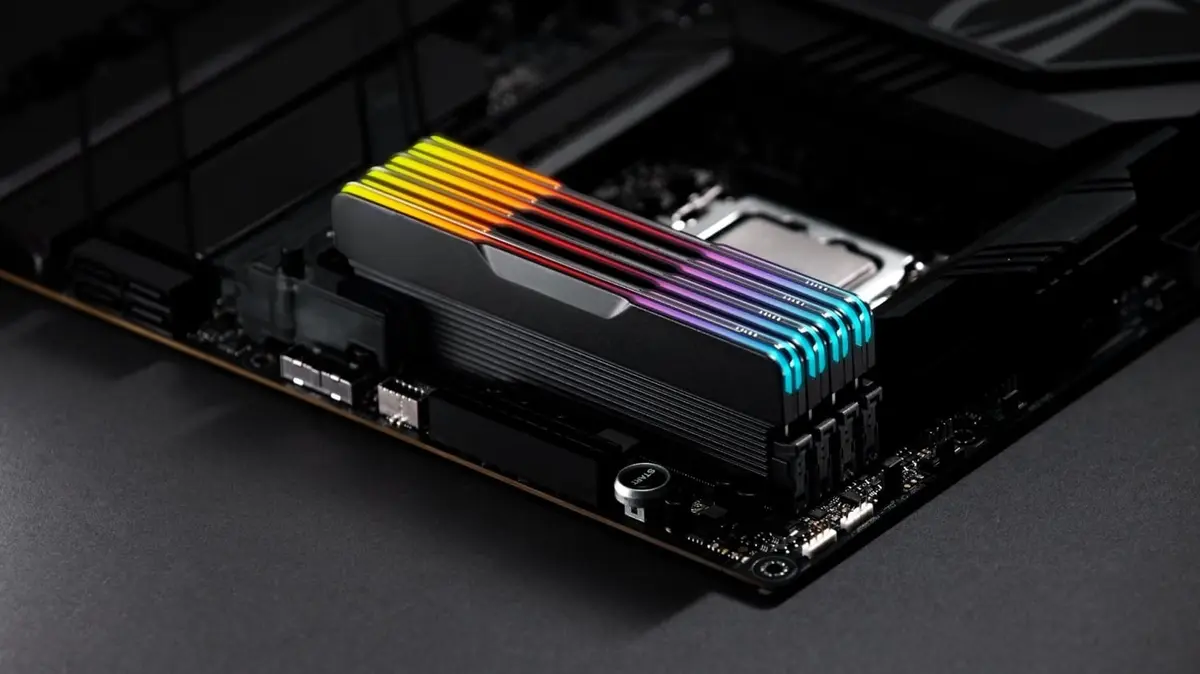
A two-year timeline indicates that consumers will face sustained high costs for memory components for the foreseeable future.
The Future of the Sector Depends on Technological Progress
Industry experts anticipate that by the end of this two-year period, substantial advancements in memory fabrication technology will have occurred. These innovations are expected to optimize production efficiency, eventually leading to a reduction in manufacturing costs and making DDR5 technology more accessible to a wider range of users. Nevertheless, the combination of current economic volatility and lingering post-pandemic supply chain imbalances remains a primary factor in delaying the return to historical price levels.
How has the ongoing volatility in DDR5 RAM pricing affected your plans for building or upgrading your personal computer? We invite you to share your thoughts and experiences regarding the memory market in the comments section below.
Your comment has been submitted,
it will be published after approval.