
Huawei HarmonyOS Now Supports Ultra-Low Memory 64 KB Devices

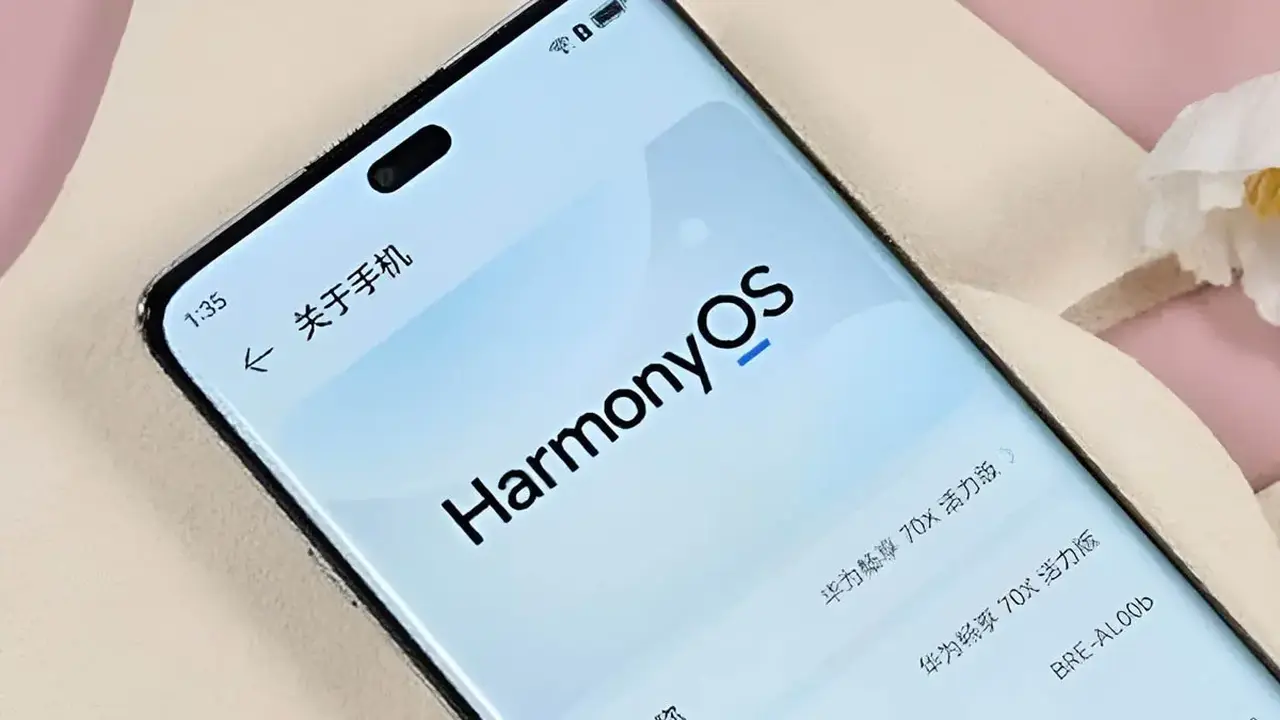
Huawei has officially announced a significant expansion for its HarmonyOS ecosystem, confirming that the next generation of the operating system will support hardware configurations with as little as 64 KB of memory. Revealed by Yu Chengdong, head of the company’s consumer electronics division, this technical milestone allows HarmonyOS to run on micro-controllers that were previously unable to support complex operating systems like Linux or Android. By lowering the hardware barrier to entry, Huawei aims to dominate the Internet of Things (IoT) sector, providing a robust and highly efficient software foundation for the most resource-constrained industrial and consumer sensors globally.
- Huawei updated HarmonyOS to function on devices with only 64 KB of internal memory.
- The new system architecture enables IoT sensors to achieve a battery life of up to one year.
- This development targets micro-controller-based hardware that lacks the resources to run traditional OS platforms.
- The initiative expands the HarmonyOS ecosystem into the low-power wide-area network segment.
HarmonyOS Redefines Operational Efficiency Limits
Traditional operating systems often struggle with extreme hardware limitations, leaving a void for lightweight, real-time solutions. By optimizing the kernel to operate within a 64 KB footprint, Huawei has positioned HarmonyOS as a viable alternative to standard Real-Time Operating Systems (RTOS). 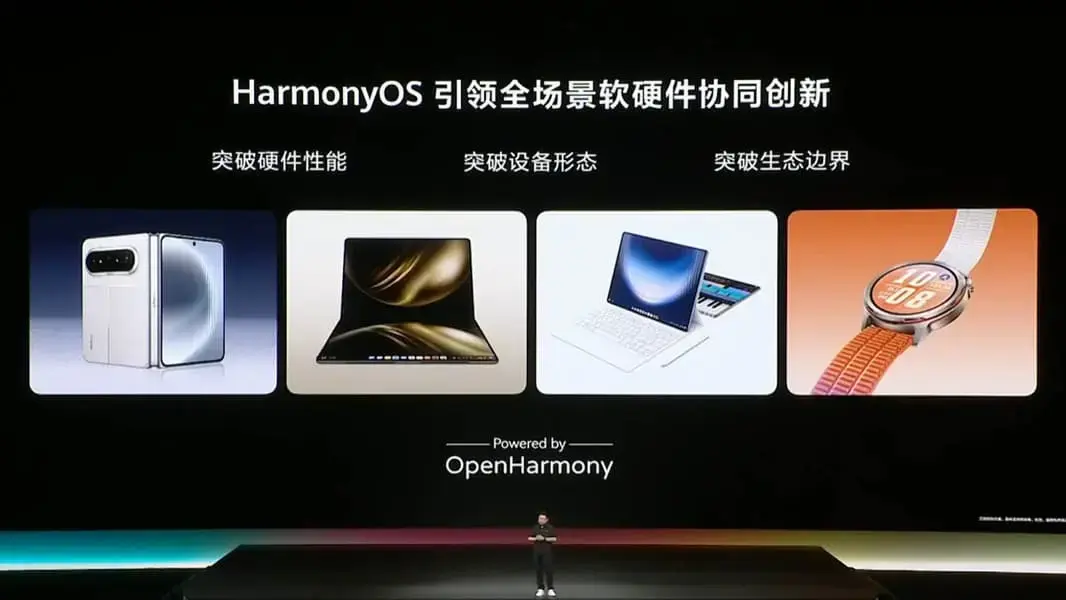
This breakthrough effectively transforms HarmonyOS into one of the lightest and most versatile operating systems currently available on the market.
This advancement is particularly critical for NB-IoT sensors and other lightweight modules that operate with minimal processing power and limited storage. During the HarmonyOS 7 presentation, company officials emphasized that this innovation is designed to weave a unified software fabric across the entire IoT landscape, rather than focusing solely on smartphones. By reducing the overall software overhead, the system significantly lowers CPU cycles, which in turn preserves precious energy in battery-operated units.
Extended Battery Performance Enables Longer Field Deployment
Efficiency remains the cornerstone of Huawei’s strategy to secure a larger share of the global IoT market. The latest version of the operating system utilizes hardware resources with extreme precision, allowing industrial sensors to remain active for up to an entire year on a single charge. This capability offers a distinct advantage for remote monitoring systems that are often deployed in inaccessible locations where frequent maintenance or battery replacement is not feasible.
Low energy consumption remains the primary focus of the updated Huawei IoT strategy.
While specific product names have not been disclosed, the technology is expected to be integrated into home automation tools and industrial smart sensors in the near future. Through this seamless integration of software and hardware, Huawei seeks to establish itself as the leading provider for developers who work with ultra-low-power systems. As the IoT market continues to fragment, a unified, efficient OS may provide the consistency needed to drive the next wave of smart connectivity.
How do you anticipate that extending the battery life of low-memory IoT devices to one year will transform the future of smart industry and home automation? We invite you to share your thoughts and questions in the comments section below.
Your comment has been submitted,
it will be published after approval.