
Nvidia RTX 3060 and 3050 GPUs Return to Market

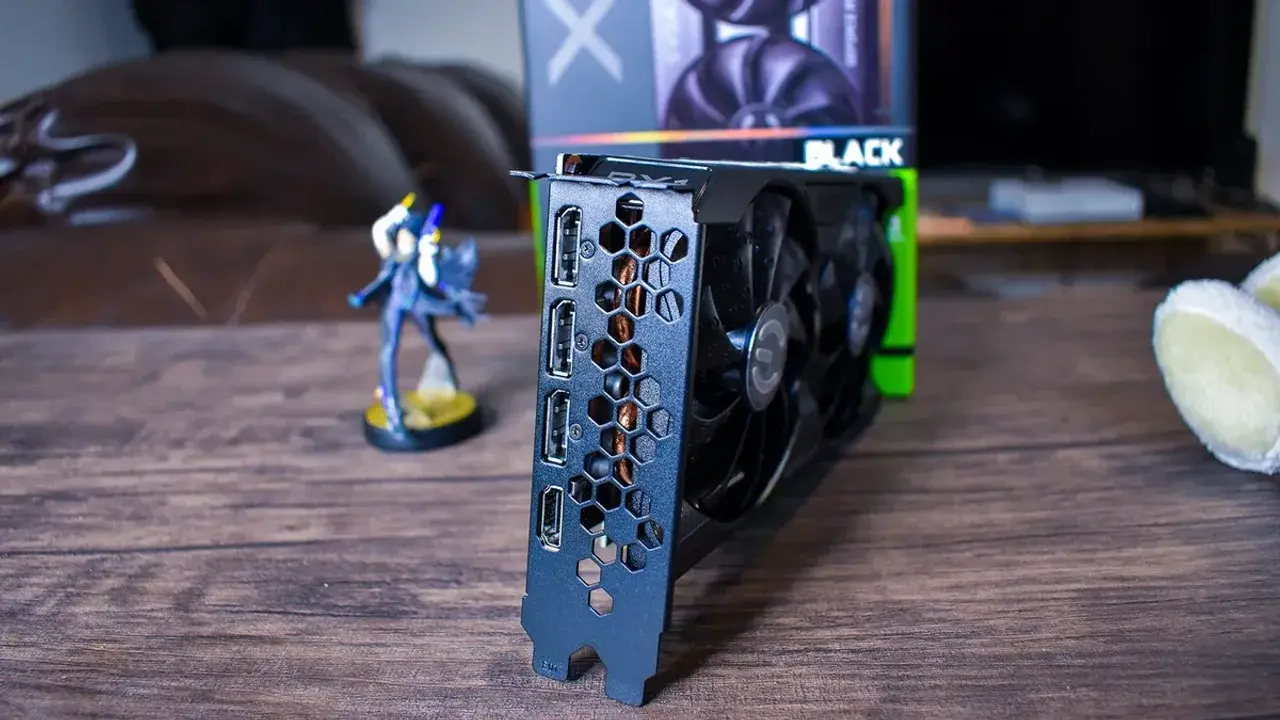
In an unexpected shift within the hardware sector, Asian manufacturer Manli has officially resumed production of the Nvidia RTX 3060 and RTX 3050 graphics cards, originally launched in 2020. This move addresses the growing demand for budget-friendly hardware as prices for contemporary components remain elevated. By reintroducing these proven architectures, the company aims to provide gamers with accessible alternatives to high-cost modern hardware, particularly through the 12GB VRAM variant of the RTX 3060. This strategic return highlights a significant trend in the tech industry where older, reliable GPU models are being leveraged to stabilize market availability and offer affordable performance options to consumers.
- Manli has resumed the manufacturing of legacy Nvidia RTX 3060 and 3050 graphics cards to address budget-tier market demands.
- The re-released RTX 3050 features 6GB of VRAM and operates efficiently without requiring external power connectors.
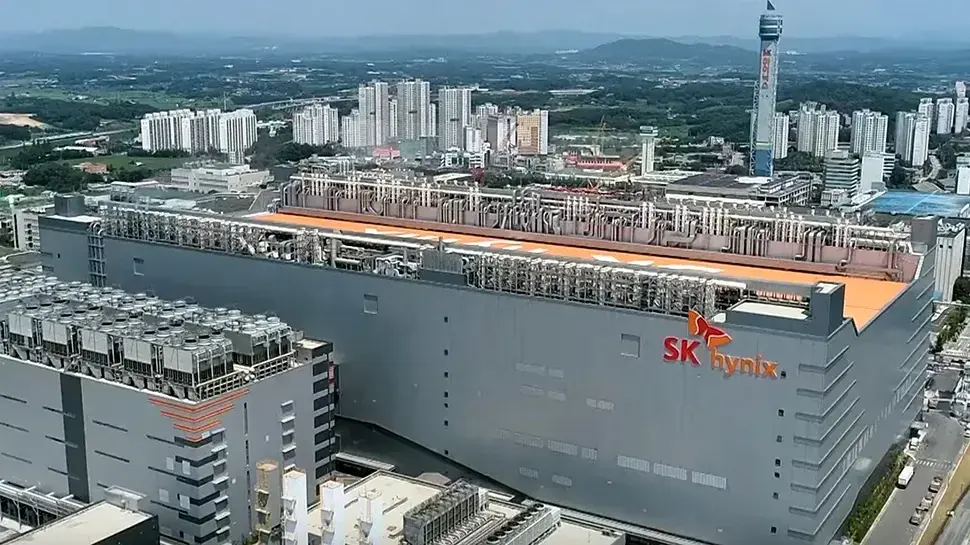
- SK Hynix has accelerated its production roadmap to triple its memory wafer capacity by the year 2034.
Legacy GPUs Offer New Budget Solutions
The re-emergence of these older cards is not merely a nostalgia play but a calculated response to current market constraints. The RTX 3050, in particular, is being marketed with a 6GB VRAM configuration and a modest 70W power consumption profile. This efficiency allows the card to function solely via the PCIe slot, eliminating the need for additional power cables. Such specifications make these units highly attractive for entry-level builds or office upgrades where power supply limitations are a concern.
Utilizing established GDDR6 memory instead of the newer GDDR7 standard allows manufacturers to maintain lower costs while avoiding competition for the high-end resources required for next-generation hardware. While these re-released units are currently appearing primarily in Asian markets, the industry is closely watching to see if this trend will expand to Western territories as a way to curb escalating component costs.
Strategic re-manufacturing of older GPU architectures effectively bypasses current supply chain bottlenecks for entry-level gamers.
Memory Production Capacity Expands Rapidly
Parallel to the return of these graphics cards, the broader semiconductor industry is preparing for a massive surge in demand. SK Hynix, a global leader in memory technology, has announced an aggressive expansion plan to increase its production capacity for DRAM and NAND flash chips. SK Group Chairman Chey Tae-won confirmed that the company aims to double its wafer production within five years, with a target to reach triple the current capacity by 2034.
This ambitious timeline reflects a significant acceleration, as initial projections for such growth previously spanned two decades. The shift is largely driven by the explosive need for high-performance memory in data centers and artificial intelligence applications, which continue to dominate the global market landscape.
The aggressive expansion of memory production is a direct response to the insatiable hunger for high-performance data center hardware.
As these manufacturers recalibrate their long-term strategies, the combination of reintroducing legacy hardware and scaling up foundational memory production suggests a multi-pronged approach to stabilizing the tech ecosystem. By balancing the needs of budget-conscious users with the massive requirements of enterprise-level infrastructure, the industry is attempting to secure a more predictable future for hardware availability.
Do you believe that re-releasing older graphics card models is an effective way to lower prices for gamers, or should manufacturers focus solely on developing new technology? Share your thoughts in the comments section below.
Your comment has been submitted,
it will be published after approval.