
Winners of the 29th International Obfuscated C Code Contest Revealed

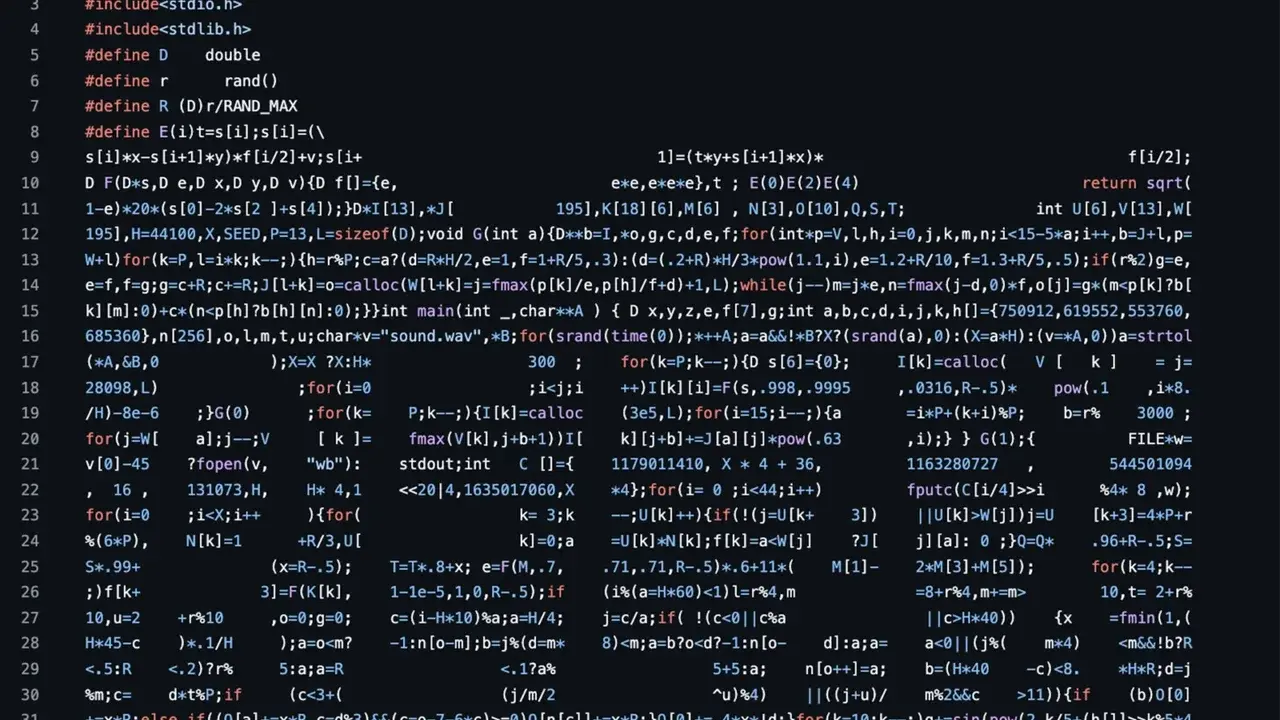
The 29th edition of the International Obfuscated C Code Contest (IOCCC) has officially concluded, showcasing the most intricate and bewildering examples of programming mastery in the software world. Held annually to challenge the limits of the C programming language, this prestigious global competition invites developers to write functional, compilable code that remains intentionally impossible for human eyes to decipher. By manipulating syntax, whitespace, and the unique structural flexibilities of C, participants transform standard source files into artistic, cryptic, and often mind-bending puzzles that push the boundaries of what is possible within a compiler environment.
- The 29th IOCCC highlights the intersection of extreme programming complexity and aesthetic design.
- Participants utilize C language quirks to create functional programs that disguise their logic through visual patterns or hidden formats.
- Security researchers study these submissions to understand the limits of automated analysis and code decompilation.
The competition proves that code serves as both a powerful functional tool and a complex form of digital art.
Complex Logic Merges With Artistic Expression
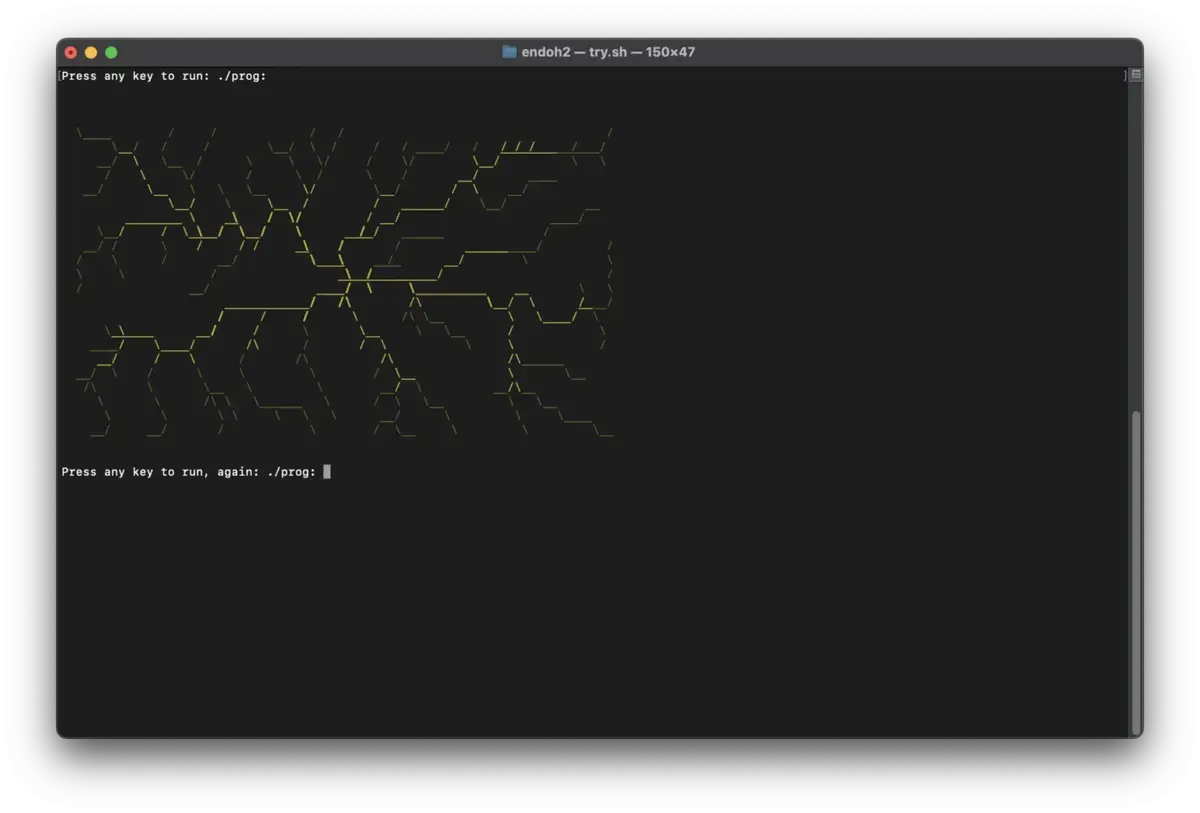
This year’s entries transcended mere technical obfuscation, with several winners presenting projects that functioned as visual spectacles. One standout submission successfully simulated complex Lichtenberg figures, while another orchestrated a five-minute sequence of white noise combined with original musical composition. These developers leverage the fact that C ignores specific characters like spaces, tabs, and line breaks during the parsing phase. 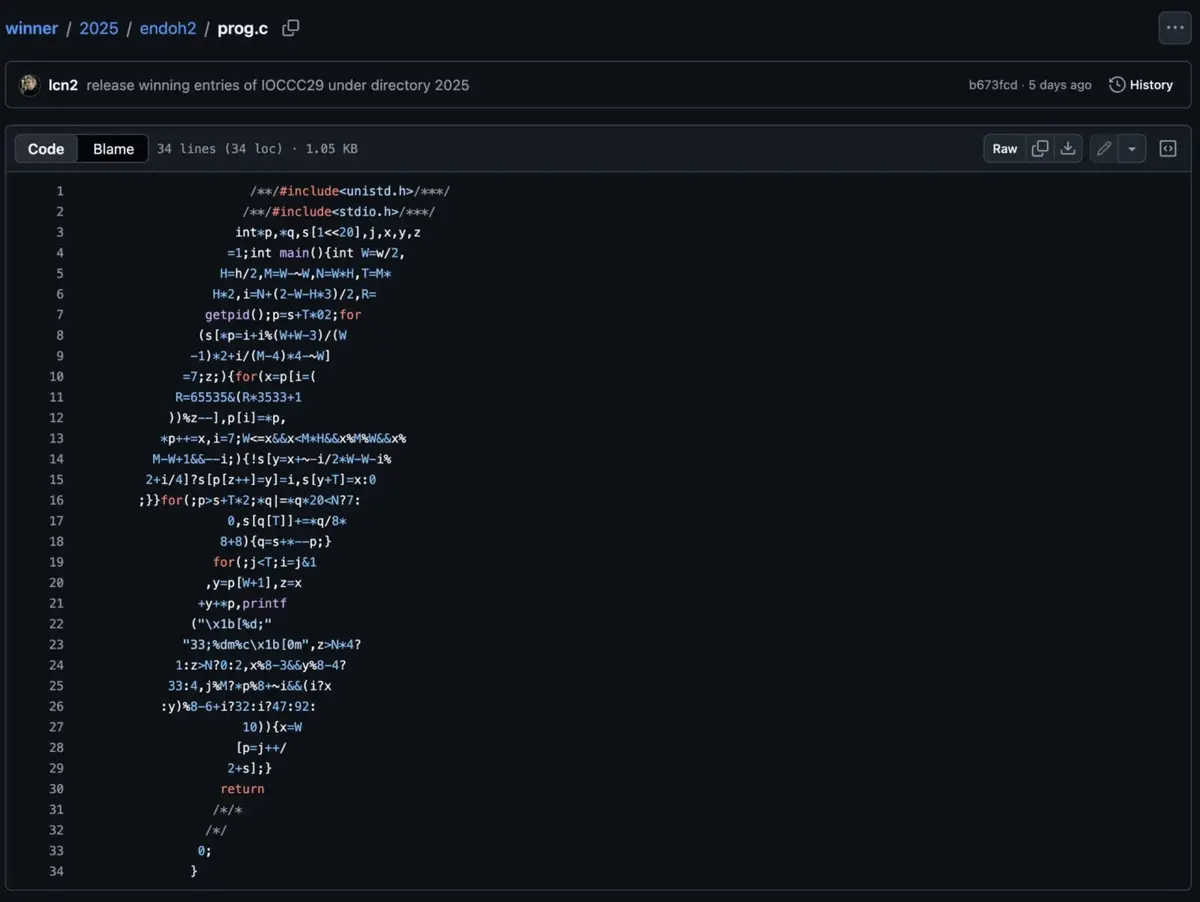 By utilizing this structural freedom, coders can organize their source files into intricate geometric shapes or hide secret messages within the syntax of the program.
  Such techniques demonstrate an advanced understanding of compiler behavior that few developers ever encounter in professional environments.
Security Analysis Challenges Remain Significant
The ingenuity of these obfuscated programs creates a massive hurdle for traditional security analysts. Some participants have pushed the envelope so far that they successfully embedded entire, playable Pong games within their source files. 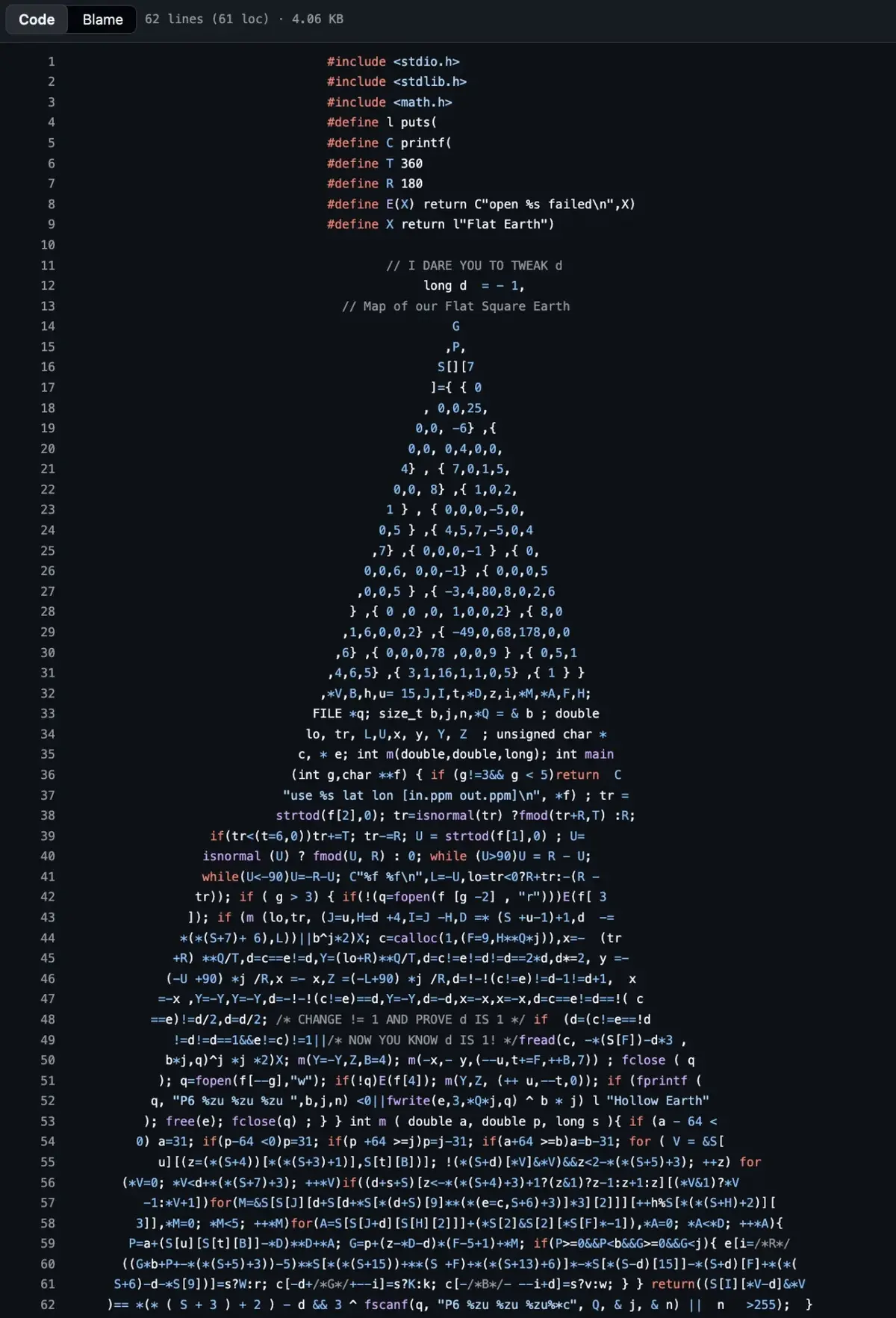 Because the code is intentionally structured to defeat logical analysis, standard decompilation tools often fail to interpret the underlying mechanics accurately. This makes the IOCCC a vital, albeit unconventional, exercise in stress-testing the limits of reverse engineering. Even seasoned security professionals find that analyzing these entries requires a level of patience and creativity rarely demanded by standard software development.
The Tradition Preserves Its Historical Significance
Since its inception in 1984, the IOCCC has maintained its status as one of the most intellectually stimulating events in computer science. 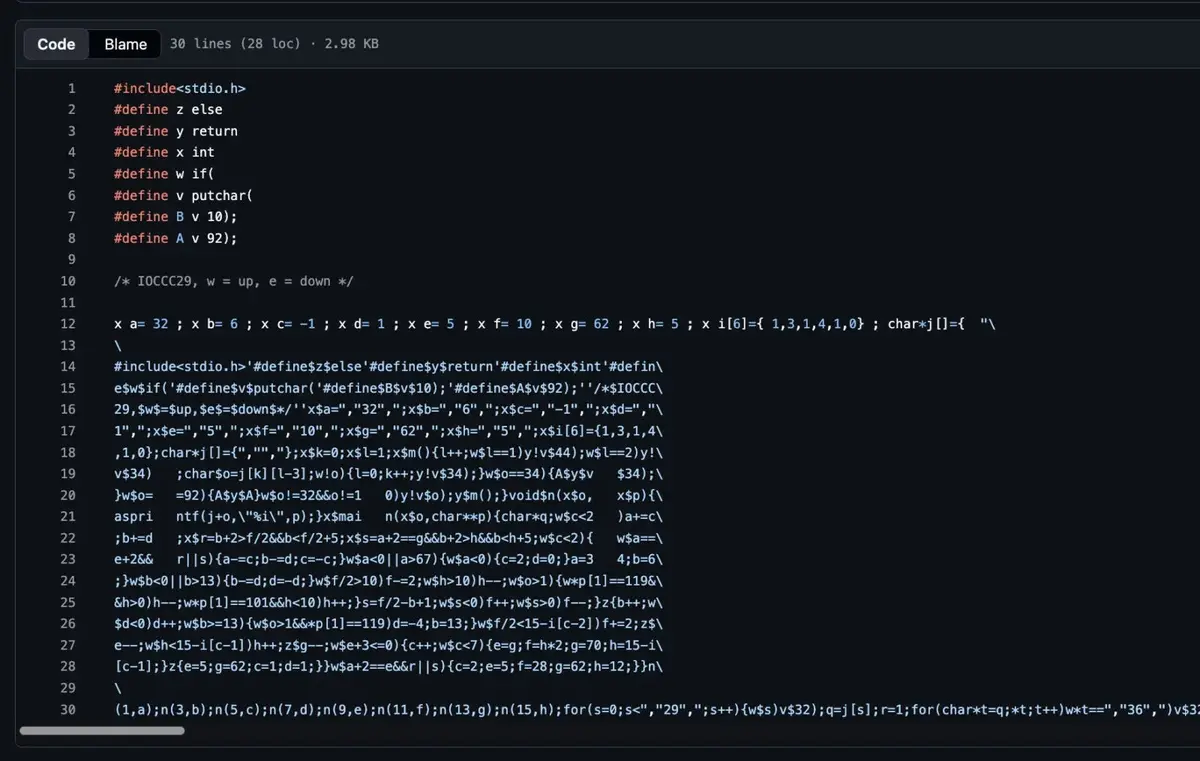 The competition serves as a testament to the idea that programming is far more than just writing instructions for a machine; it is a creative discipline that rewards those who can solve impossible puzzles. All winning projects from this year are available on the official IOCCC website, allowing enthusiasts to download and compile the code on their own machines to witness the magic firsthand.
 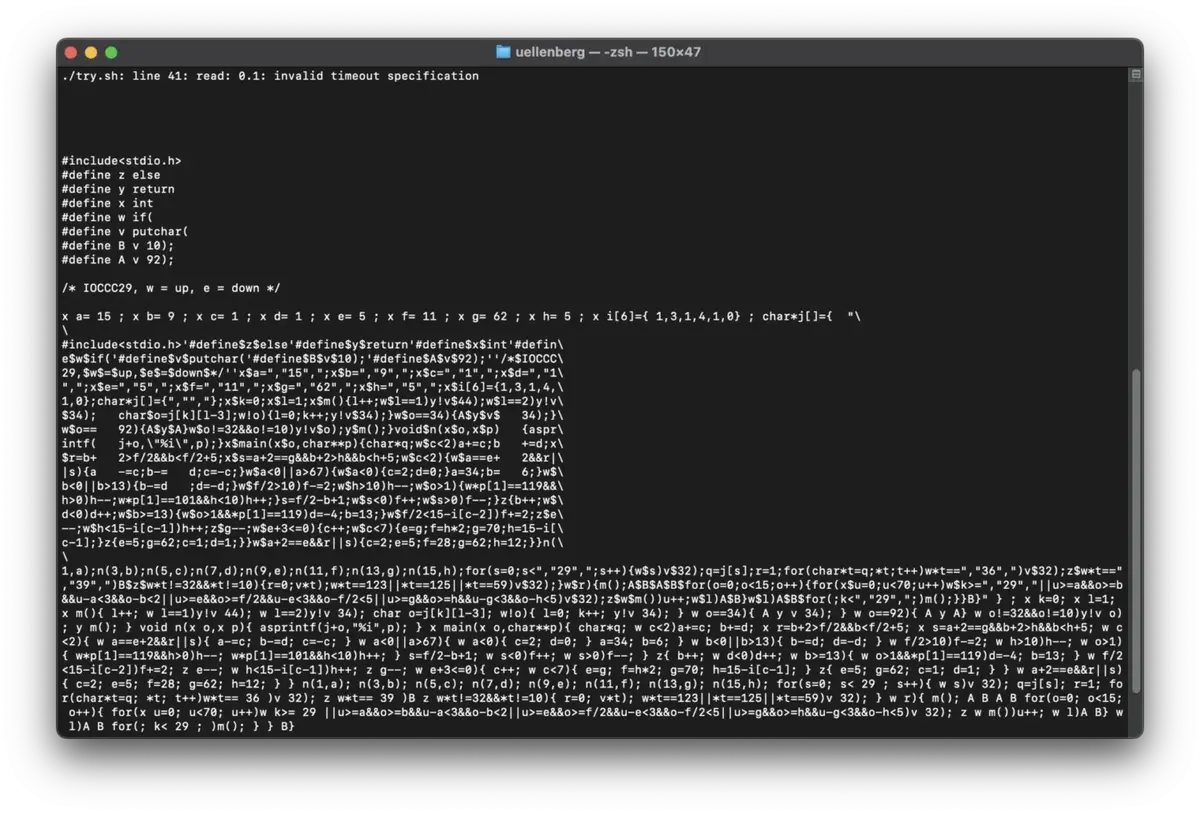 Engaging with these files provides an unparalleled learning experience for students and seasoned engineers alike.
Do you believe that mastering such complex and intentionally unreadable code is a valuable skill for modern developers, or is it merely an elaborate, unnecessary hobby? Share your thoughts in the comments section below.
Your comment has been submitted,
it will be published after approval.