
Microsoft Expands Local AI Capabilities to More Windows 11 PCs

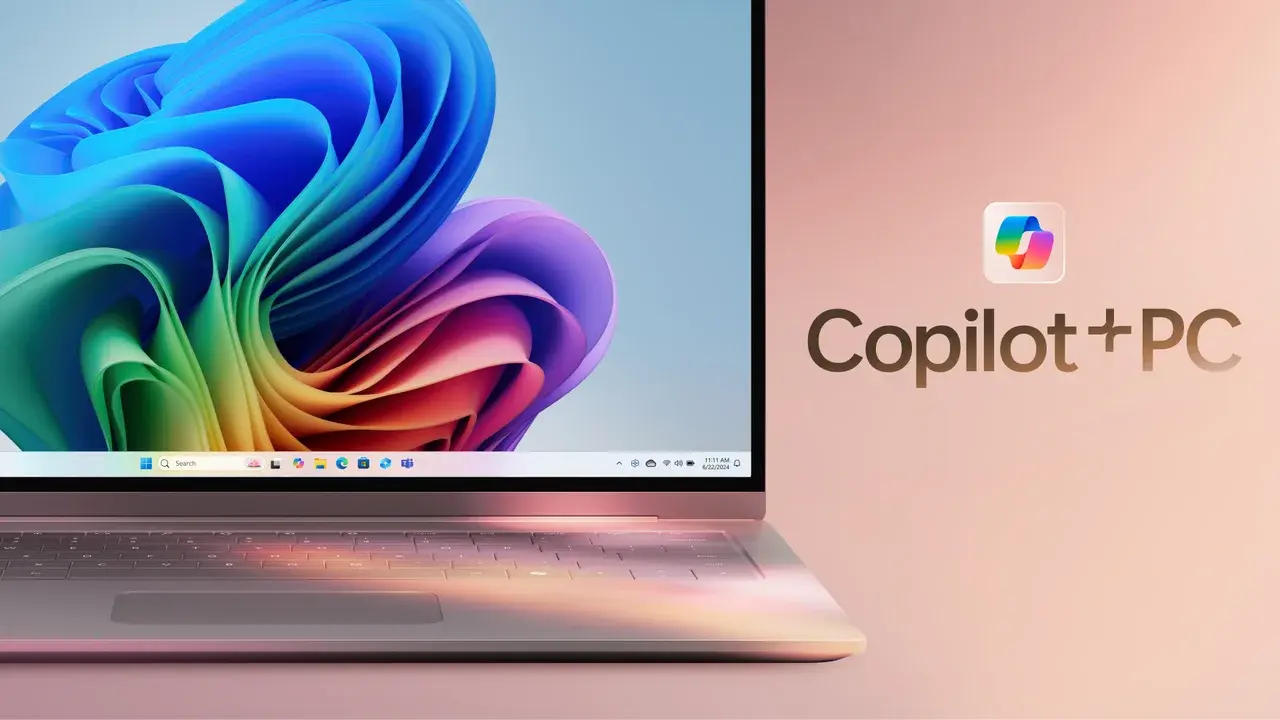
Microsoft has officially shifted its strategy regarding local artificial intelligence workloads, announcing that the Copilot+ experience is no longer exclusive to dedicated NPU-equipped hardware. In a significant update for the Windows 11 ecosystem, the company confirmed that devices featuring Nvidia RTX 30 series or newer GPUs with at least 6GB of VRAM can now leverage local language model APIs. By enabling these advanced capabilities on existing high-performance consumer graphics hardware, Microsoft is effectively democratizing access to on-device AI, moving away from the strict hardware requirements that defined the initial launch of the Copilot+ branding earlier this year.
- Microsoft now allows local AI language models to run on Windows 11 PCs equipped with compatible Nvidia RTX GPUs.
- The new support requires at least an Nvidia RTX 30 series graphics card and a minimum of 6GB of VRAM.
- The initiative utilizes the Phi Silica model to perform tasks like text summarization and data processing directly on the device.
- Select Copilot+ exclusive features like Windows Recall remain restricted to dedicated NPU hardware.
Graphics Cards Are Replacing Dedicated NPUs for AI Tasks
When the Copilot+ PC initiative debuted on June 18, 2024, Microsoft emphasized the necessity of dedicated Neural Processing Units (NPUs) to handle intensive AI tasks. However, the high parallel processing power inherent in modern consumer GPUs makes them highly capable of executing these same complex workloads. 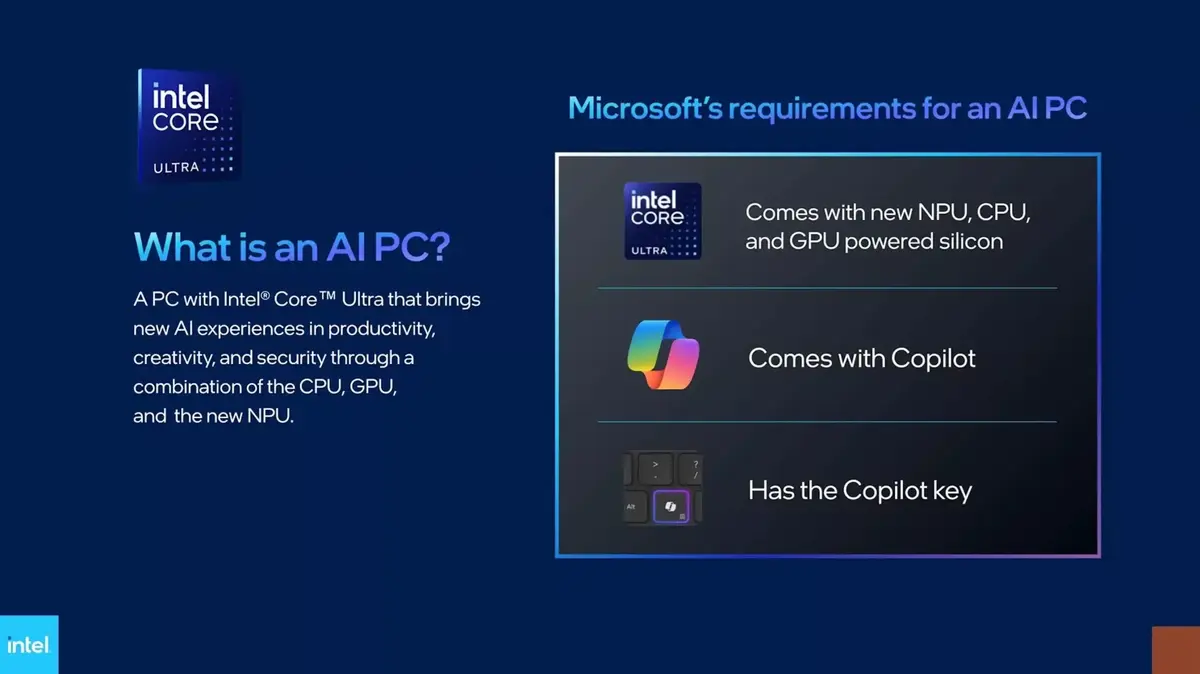
By integrating GPU support, Microsoft allows developers to utilize the Windows AI framework to run local language models even on systems lacking an NPU. This transition is currently focused on the developer layer, enabling applications to tap into local processing power for tasks such as text editing, summarization, and structured data generation.
This strategic pivot allows millions of existing users to access powerful local AI tools without requiring a hardware upgrade.
Local Processing Improves User Privacy and Speed
The core of this implementation relies on the Phi Silica small language model, which can be downloaded via Windows Update as needed. Because these models run locally on the GPU rather than in the cloud, users benefit from reduced latency and significantly enhanced data privacy. 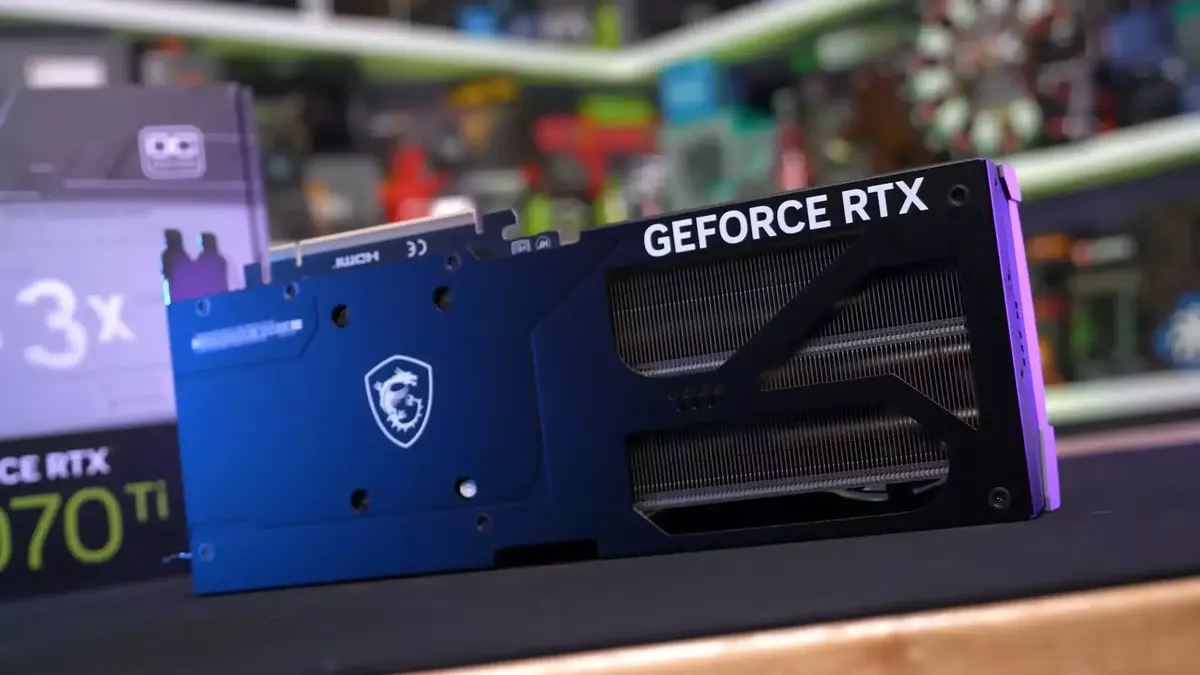
For enterprise environments and software developers, the ability to process data locally without sending sensitive information to external servers represents a major operational advantage. It streamlines workflows while ensuring that proprietary or personal information stays within the machine’s boundaries.
Hardware Limitations Still Define the Scope
Despite this expansion, Microsoft is maintaining a clear distinction between standard GPU-accelerated tasks and the full Copilot+ experience. Advanced features such as Windows Recall and Click to Do remain exclusively tied to NPU-equipped hardware due to their specific architecture requirements. The current GPU support is strictly limited to the language model API layer, ensuring that the most intensive, system-level features remain optimized for dedicated AI silicon.
Microsoft is successfully broadening the reach of artificial intelligence by leveraging the latent power of existing graphics hardware.
We are curious to hear your perspective on this shift: Do you believe that GPU-based local AI will satisfy your needs, or do you still see the dedicated NPU as an essential hardware requirement for the future of Windows? Share your thoughts in the comments section below.
Your comment has been submitted,
it will be published after approval.