
Apple Sells Arizona Testing Track for $220 Million

Apple has officially divested from its ambitious automotive ambitions by selling its massive 5,500-acre vehicle testing track in Wittmann, Arizona, to Waymo for $220 million. This transaction marks a definitive conclusion to Apple’s decade-long, multi-billion-dollar effort to develop an autonomous electric vehicle, a project that was officially abandoned after failing to reach commercial viability. By offloading this expansive facility, which was previously acquired by a shell company linked to Apple for $125 million in 2021, the tech giant is systematically liquidating the physical remnants of a project that reportedly incurred costs exceeding $10 billion throughout its development cycle.
- Apple sold its 5,500-acre Arizona automotive testing facility to Waymo for $220 million.
- The sale marks the final stage of liquidating assets from Apple’s terminated autonomous vehicle project.
- Waymo intends to utilize the site for advanced simulation and operational training of its self-driving fleet.
- Apple is redirecting its internal research on computer vision and machine learning toward artificial intelligence and robotics.
Waymo Expands Infrastructure for Autonomous Vehicle Testing
The acquisition represents a strategic expansion for Waymo, as it seeks to scale the testing capabilities of its autonomous fleet. The Arizona site is uniquely suited for high-stakes simulations, offering a controlled environment that includes a 115-acre city simulation track, a 35-acre vehicle dynamics area, and a four-mile oval circuit. These specialized features allow engineers to replicate complex urban driving scenarios and safety protocols in a secluded, private setting.
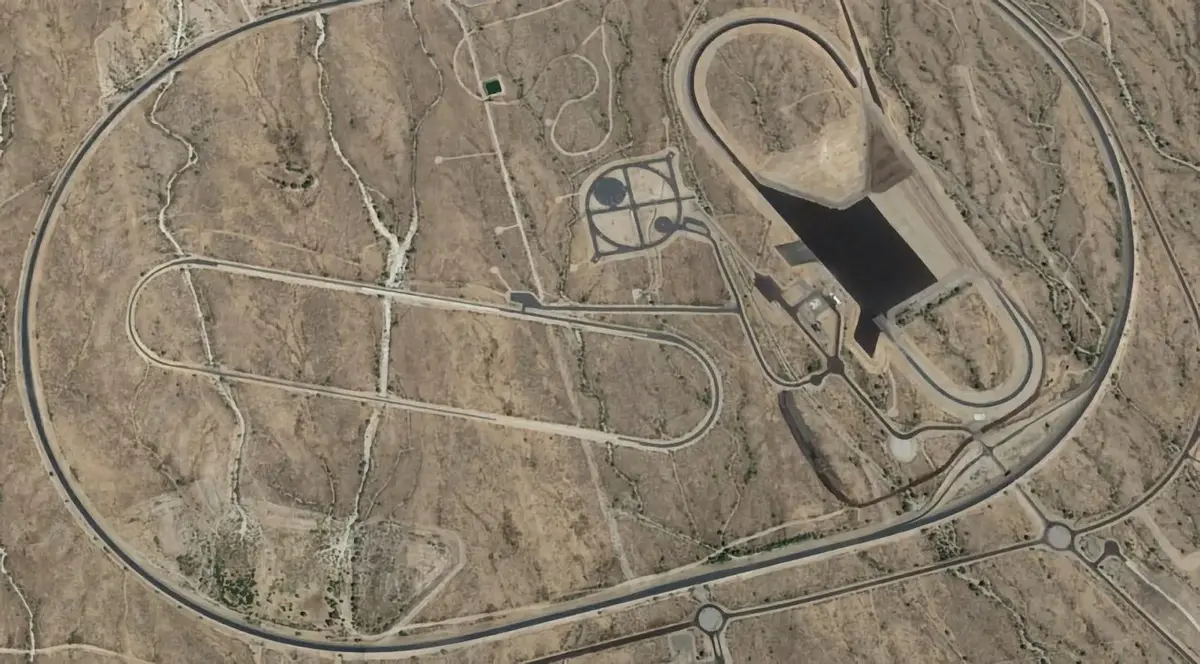
Beyond simple test runs, the facility provides the necessary infrastructure for comprehensive operational training and performance verification. By integrating this site into its existing network of testing centers in California and Ohio, Waymo significantly strengthens its capacity to refine its self-driving software and hardware systems. This investment highlights the company’s commitment to maintaining a competitive edge in the rapidly evolving landscape of autonomous transportation.
The sale of this massive testing ground effectively erases the final physical trace of Apple’s failed entry into the automotive sector.
Apple Pivots Resources Toward Future Tech Initiatives
Following the formal cancellation of its autonomous vehicle testing permits in September 2024, Apple has shifted its internal focus toward more viable technological domains. The extensive research conducted during the vehicle project, particularly in the realm of computer vision and sensor fusion, has not gone to waste. These intellectual assets are being successfully repurposed to advance Apple Intelligence and ongoing robotics initiatives.
While the $220 million sale represents only a minor fraction of the massive capital expenditure invested in the project, it serves as a symbolic and financial closure for Apple’s executive team. The company’s decision to abandon the project reflects a pragmatic assessment of market conditions and strategic alignment with its core software and hardware competencies. By reallocating human and financial capital toward AI and robotics, Apple aims to maintain its long-term innovation trajectory.
Do you believe that Apple made the right decision by abandoning its automotive ambitions to focus on AI and robotics, or should the company have persisted with its vehicle development? Share your thoughts in the comments section below.
Your comment has been submitted,
it will be published after approval.