
Nothing CEO Warns RAM Costs Are Driving Smartphone Price Hikes


On June 12, Nothing CEO Carl Pei issued a significant warning regarding the shifting economic landscape of the smartphone industry, revealing that RAM has officially overtaken chipsets to become the most expensive component in modern mobile devices. This structural change in manufacturing costs is primarily driven by the massive surge in memory and storage prices observed throughout 2026. As companies like Nothing navigate these financial pressures, the production of devices such as the Phone (4a) has become significantly more expensive, forcing a departure from the historical trend of declining prices for high-performance hardware across the global market.
- RAM and storage units now account for over half of the total production cost for a typical smartphone.
- Global demand for artificial intelligence infrastructure has caused DRAM prices to climb by as much as 30 percent in 2026.
- Limited supply quotas have forced manufacturers to secure memory chips at unprecedented financial premiums.
- Major brands are increasingly passing these elevated production costs onto consumers through higher retail prices.
The supply chain volatility currently gripping the technology sector is not limited to boutique manufacturers like Nothing. Industry giants, including Samsung, Google, and Xiaomi, are grappling with the same scarcity of core components. Pei noted that many smartphones launched since February carry price tags approximately 100 dollars higher than their predecessors. This upward trend spans the entire market, affecting everything from entry-level budget models to premium flagship devices.
Memory Price Volatility Challenges Global Tech Manufacturers
The rapid global adoption of artificial intelligence systems has pushed the demand for advanced memory chips to levels that suppliers struggle to accommodate. As manufacturers compete for limited inventory, the resulting price inflation has become a permanent fixture of current production cycles. For instance, the recent price adjustments for Nothing’s Phone (4a) and Phone (4a) Pro models serve as a direct response to these volatile market realities.
The era of aggressive discount campaigns for premium smartphones is likely coming to an end.
Consumers Face Rising Costs for New Technology Purchases
Addressing the growing concerns of tech enthusiasts, Carl Pei suggests that delaying hardware purchases may prove to be a costly mistake. Because market conditions are showing no signs of stabilization, consumers who wait to buy new smartphones or laptops may encounter even higher price points in the coming months. In some sectors, such as the notebook market, prices for specific models have already doubled compared to the first quarter of the year.
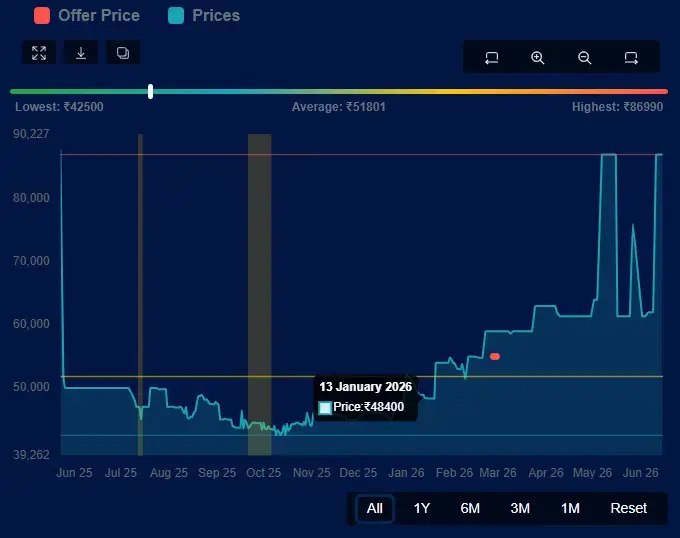
Taking advantage of current market opportunities is advised to mitigate future financial burdens.
Industry Leaders Predict Continued Market Uncertainty
While smartphone manufacturers are working tirelessly to absorb some of the financial shocks, the persistent bottlenecks in the supply chain are making these efforts increasingly unsustainable. The dramatic rise in RAM costs is expected to remain a primary concern for the technology industry throughout the remainder of 2026. As costs continue to fluctuate, finding high-quality, budget-friendly smartphones will likely become a more difficult challenge for the average consumer.
Do you believe these persistent RAM-related price hikes will force manufacturers to compromise on device performance to keep costs manageable? Share your thoughts and predictions in the comments section below.
Your comment has been submitted,
it will be published after approval.