
Samsung Develops Thicker Ultra Thin Glass for Foldable Screens

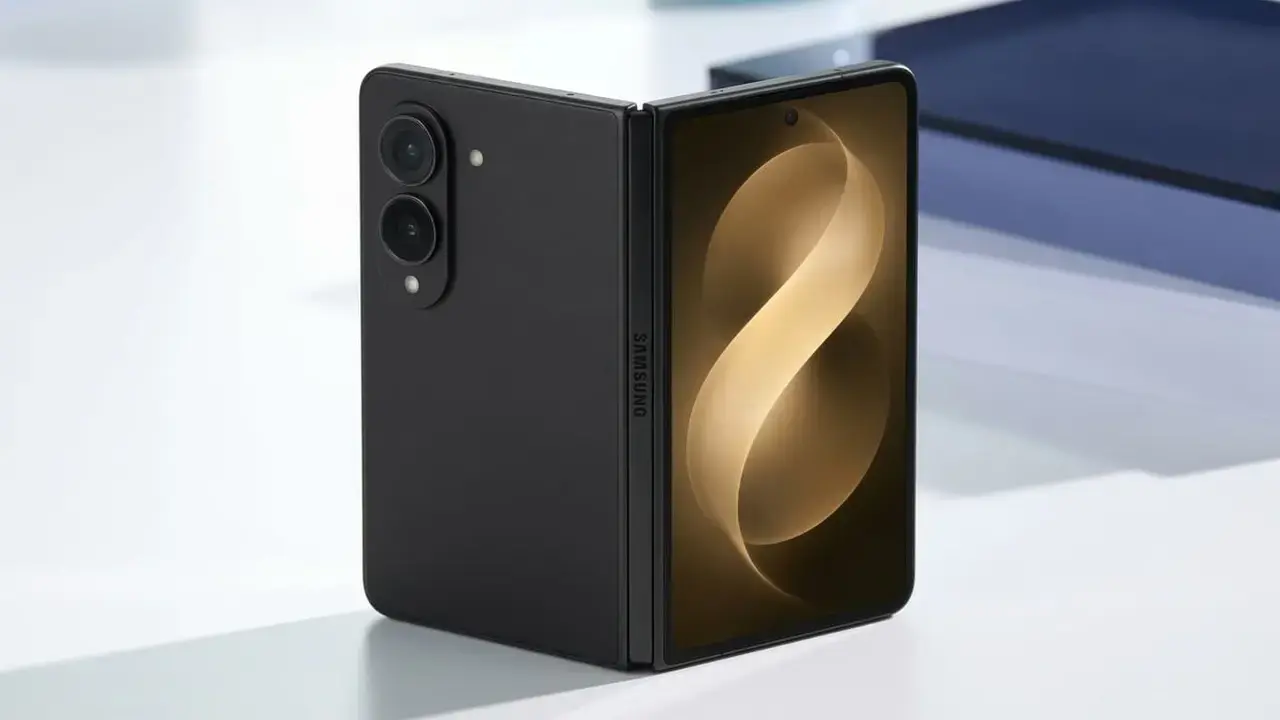
South Korean technology giant Samsung is set to revolutionize its foldable smartphone lineup as part of its 2026 product strategy by introducing a new, thicker ultra-thin glass (UTG) technology. Aimed at addressing one of the most common user grievances, the visible crease on flexible displays, the company is shifting away from its previous emphasis on extreme thinness. By integrating approximately 60-micrometer thick glass into its upcoming models, Samsung intends to significantly enhance both the structural durability of its devices and the visual consistency of its foldable screens, marking a pivotal shift in its hardware engineering trajectory for the next two years.
- Samsung plans to implement 60-micrometer thick ultra-thin glass in its 2026 foldable device portfolio.
- The new glass iteration provides 30 percent higher durability compared to the existing 45-micrometer standard.
- The company aims to launch three distinct foldable models, including the Galaxy Z Fold8 and Z Flip8, in 2026.
Durability Becomes the Primary Focus of Screen Technology
In recent years, Samsung has undergone a strategic transformation regarding the development of its foldable displays. Previously, the company prioritized maximum flexibility, often opting for protective glass layers as thin as 30 micrometers. However, comprehensive testing and extensive user feedback have revealed that such thin glass remains vulnerable to external impacts and contributes to more pronounced creases over extended periods of use. Consequently, Samsung is now pivoting toward an engineering approach that prioritizes structural integrity and superior visual quality over extreme flexibility.
Market Share Expands With Three Distinct Models
The year 2026 will represent a significant expansion of the Samsung foldable ecosystem, featuring its most comprehensive product lineup to date. Among the expected releases is a new device model that will distinguish itself with a 7.6-inch display. 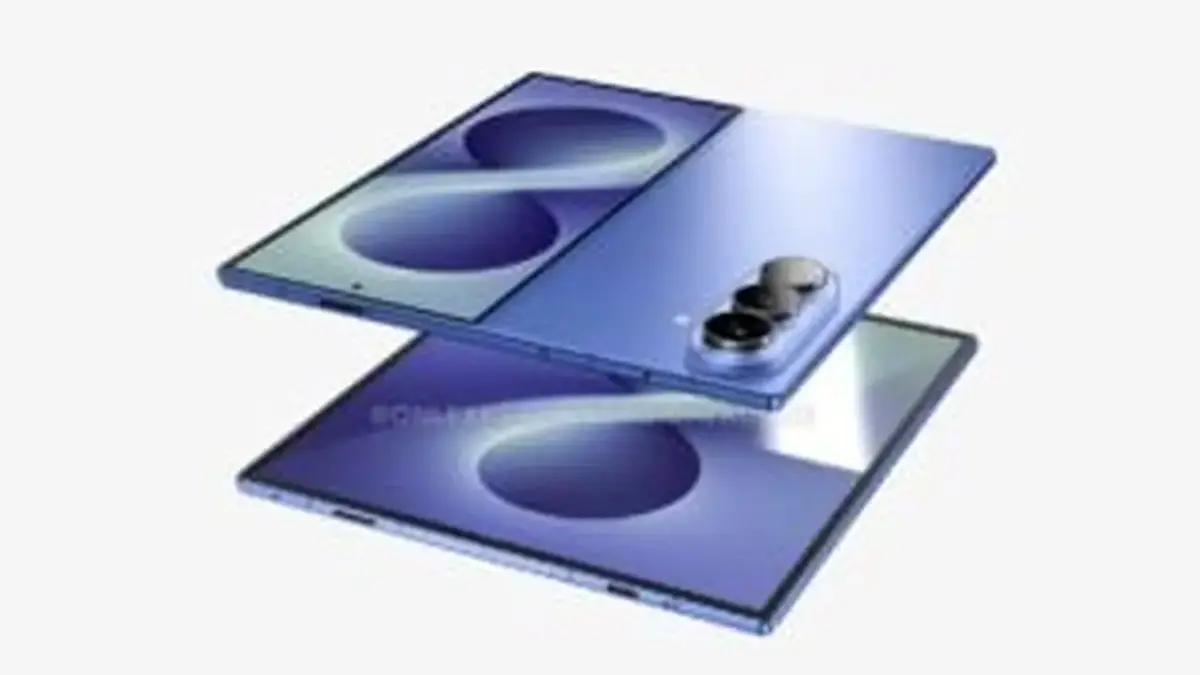
Unlike the traditional Fold series, reports suggest this new variant will feature a wider chassis design with a reduced vertical profile to improve overall ergonomics. This design shift, combined with the rigidity provided by the 60-micrometer glass, is expected to offer a more premium and robust user experience.
The implementation of thicker glass could effectively eliminate the chronic screen crease issue in foldable smartphones.
Design Approaches are Being Reshaped for Future Devices
Samsung engineers continue to refine the folding mechanisms of their devices to optimize them for larger, wider form factors. Alongside the 8.0-inch Galaxy Z Fold8 and the 6.9-inch Galaxy Z Flip8, this new model is designed to cater to a diverse range of consumer needs. By pushing the boundaries of screen flatness, Samsung is reinforcing its commitment to ensuring that foldable phones are viewed as durable, mainstream devices rather than temporary prototypes. The industry is watching closely as the company transitions from experimental designs to refined, high-performance hardware that promises to withstand the rigors of daily use.
Do you believe that thicker and more durable screen glass is sufficient to extend the lifespan of foldable phones, or should we be demanding more fundamental changes in hinge technology? We look forward to reading your thoughts in the comments section below.
Your comment has been submitted,
it will be published after approval.