
Samsung Focuses on Improving 2nm Process Efficiency for Profitability


Samsung Electronics has intensified its efforts to enhance production efficiency in its 2nm Gate-All-Around (GAA) semiconductor process to meet long-term profitability goals within its foundry division. Han Jin-man, the head of Samsung’s Device Solutions (DS) division, recently confirmed that while mature nodes such as 4nm and 8nm are showing positive utilization trends, the company aims for sustainable profitability by 2028. As the global tech giant seeks to establish itself as a viable alternative to industry leader TSMC, it continues to navigate complex operational challenges and structural hurdles that impact its competitive standing in the semiconductor manufacturing market.
- Samsung anticipates a 130 percent growth in demand for its 2nm chip orders.
- The company expects its foundry unit to reach full profitability by the year 2028.
- Internal performance bonus structures currently impact the foundry division’s budget management.
- Achieving a 70 percent yield rate remains a critical threshold for competing with TSMC.
Efficiency Gains Support Profitability Objectives
By strengthening its technological infrastructure, Samsung aims to bolster its market position through higher yields in its 2nm GAA process. Although the company’s memory division provides a strong financial buffer for the overall organization, leadership emphasizes that the foundry unit must adopt more rigorous strategies to ensure autonomous financial health. Han Jin-man has highlighted the urgent need to optimize operational costs and streamline production cycles to secure a more stable future.
The current performance-based bonus system significantly hinders the foundry unit’s fiscal discipline.
Managerial Strategies Undergo Necessary Changes
To compete effectively with TSMC, Samsung’s foundry division is shifting its focus beyond mere technological advancement to fundamental business restructuring. Previous labor disputes and employee demands have restricted the company’s flexibility in cost management. Management now plans to move away from its traditional mobile-centric hierarchy to develop strategies that appeal to a broader and more diverse range of global clients.
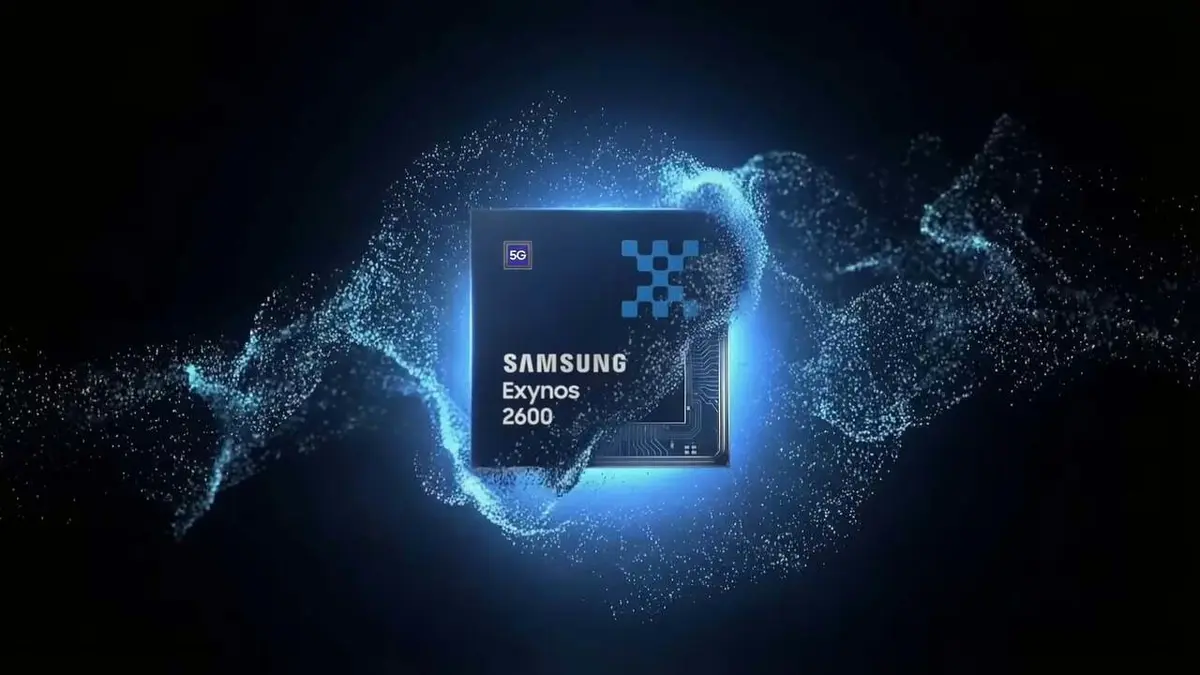
The competitive pricing models offered by rivals like Qualcomm have directly impacted Samsung’s market share in the processor segment. The company is currently pinning its hopes on the Exynos 2700 model to achieve a significant market turnaround. However, industry experts caution that achieving a 70 percent production yield is essential for this strategy to succeed. If these targets remain unmet, Samsung risks being relegated to a secondary supplier role by major global clients.
Industry analysts suggest that exceeding the 70 percent yield threshold in 2nm processes is vital for Samsung to become a dominant foundry player.
Global Market Competition Increases in Intensity
The surge in demand for artificial intelligence-related chips presents a significant growth opportunity for Samsung. Translating this demand into consistent profit, however, depends on executing precise managerial decisions. The company faces the difficult task of maintaining a delicate balance between workforce motivation and stringent cost control. The strategic roadmap implemented over the next few years will ultimately determine Samsung’s standing in the fiercely competitive global semiconductor industry.
How do you evaluate Samsung’s current strategy against TSMC, and do you believe their 2nm technological advancements will be enough to capture significant market share? Share your thoughts in the comments below.
Your comment has been submitted,
it will be published after approval.