
Apple Plans Smart AirPods with Cameras for 2027

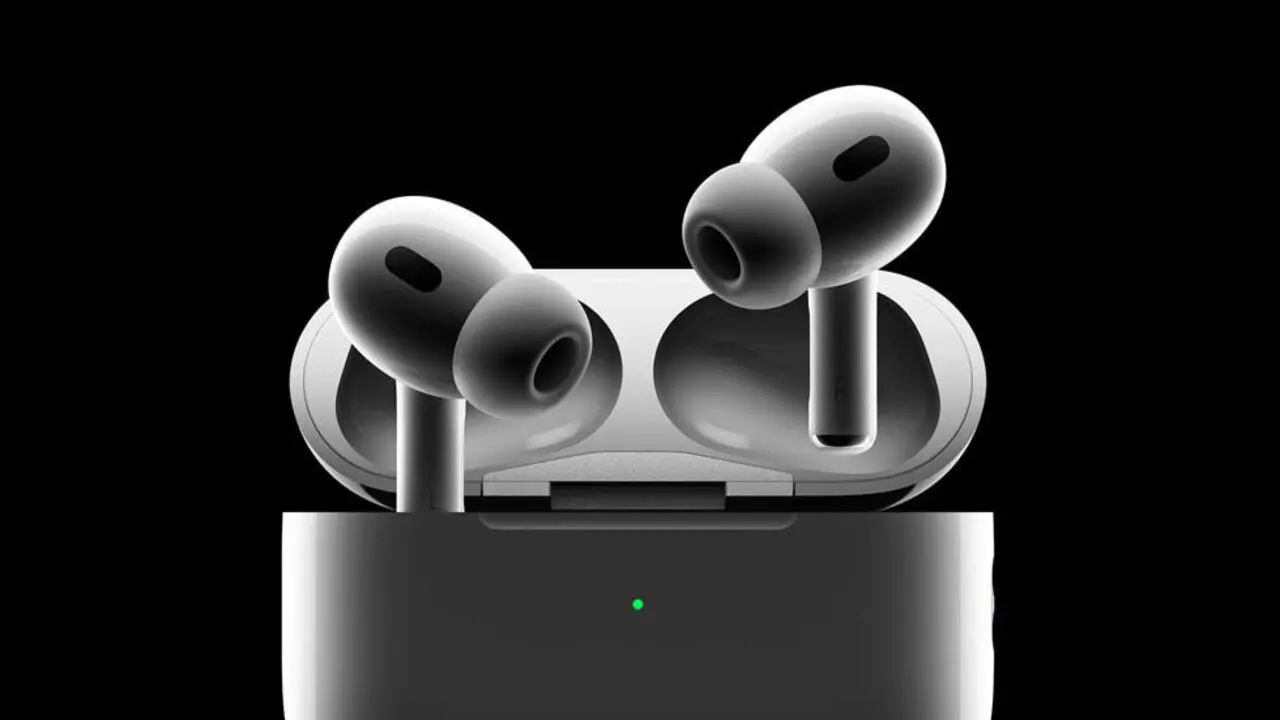
Apple is developing a revolutionary pair of AirPods equipped with integrated cameras, marking the company’s bold move into the wearable artificial intelligence market. According to recent reports from Bloomberg, the tech giant intends to launch these advanced headphones in late 2027. This innovative device aims to provide users with real-time, context-aware information via Siri by analyzing surrounding objects. This release is expected to coincide with the highly anticipated 20th-anniversary iPhone and Apple’s inaugural foldable smartphone, signaling a massive shift in the company’s hardware strategy as it pushes to integrate sophisticated AI directly into its wearable ecosystem.
- Apple plans to launch AI-powered AirPods with integrated camera sensors by late 2027.
- The device will utilize advanced visual intelligence to offer real-time context and information to users.
- Development timelines were extended by one year to optimize software stability and artificial intelligence algorithms.
- The company will likely debut the headphones alongside a 20th-anniversary iPhone model and a new foldable device.
Cameras Enable New Visual Intelligence Capabilities
The primary purpose of the cameras embedded in the new AirPods is not photography, but rather the facilitation of advanced visual intelligence. Small sensors positioned on the stem of the headphones will continuously scan the user’s environment. This visual data is processed by Apple’s proprietary AI algorithms to allow the device to understand what the user is observing in real-time. 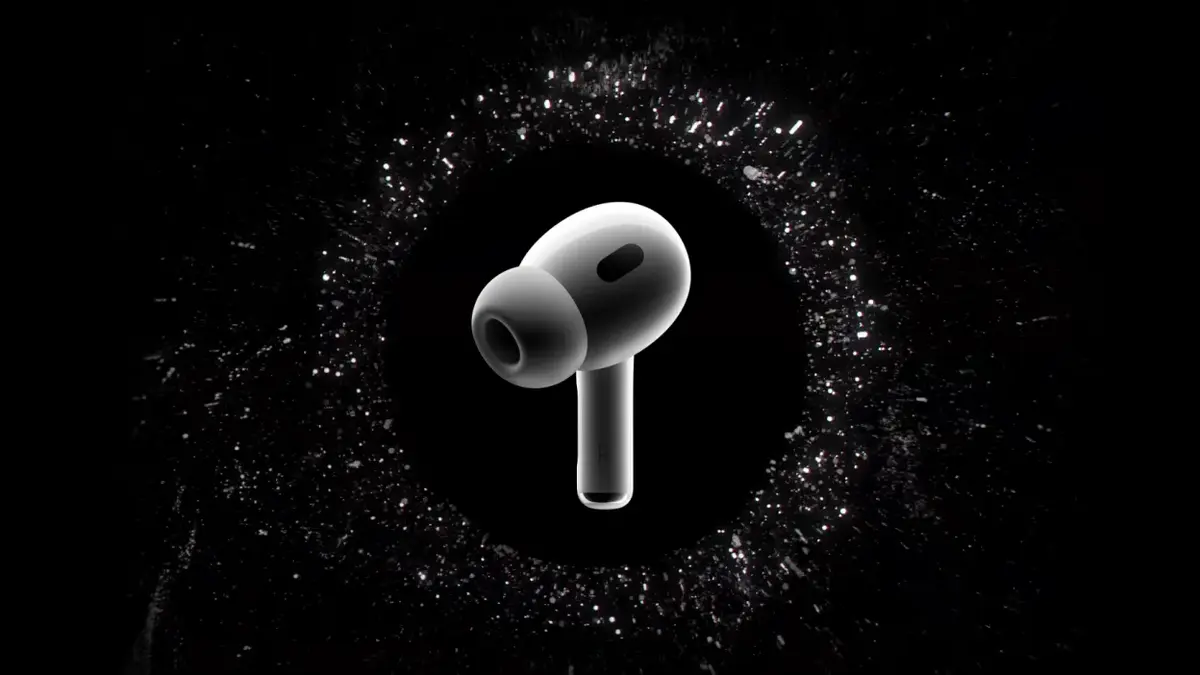
This technology effectively turns everyday wearable audio into a context-aware digital assistant capable of identifying physical objects.
For instance, if a user encounters a historical landmark or a menu at a restaurant, they can query the headphones to receive immediate verbal feedback. Furthermore, the system will support context-based reminders, such as alerting a user about a specific item when they walk past a store that carries it. To ensure user privacy, the hardware includes a dedicated indicator light that notifies bystanders whenever the camera sensors are actively processing visual data.
Design Challenges Delay the Expected Launch
While Apple initially targeted a 2026 market entry, technical hurdles have pushed the project into 2027. The engineering team is currently focused on maintaining the ergonomic profile of the existing AirPods Pro series while integrating the necessary optical hardware into the compact housing. Much of the delay stems from the complexity of optimizing visual AI models to ensure high-speed, accurate object recognition.
The company refuses to compromise on quality or software stability in the face of intense global competition. By prioritizing a seamless integration between hardware and software, Apple aims to refine the user experience before the product reaches the mass market. This extra year of development is deemed essential for meeting the company’s strict performance standards.
Three Massive Innovations Will Arrive Together
The final quarter of 2027 is shaping up to be a historic period for Apple’s product roadmap. Industry analysts suggest that the launch event will feature the debut of the specialized 20th-anniversary iPhone alongside the company’s first-ever foldable smartphone. Adding the camera-enabled AirPods to this lineup creates a powerful ecosystem of interconnected devices.
Apple is actively testing these devices under the umbrella of the upcoming iOS 28 operating system to ensure full functional compatibility.
Future Ecosystems Are Being Formed
Beyond the AirPods, Apple is reportedly investigating smart glasses that share the same visual processing technology. By aligning these wearables with a unified platform, the company hopes to create a seamless AI-driven user experience. While release schedules remain subject to change, the company’s strategic vision clearly focuses on wearable, AI-first technologies.
Do you believe that integrating cameras into wearable audio devices will truly enhance our daily productivity, or does the prospect of such technology raise concerns about privacy? Share your thoughts in the comments section below.
Your comment has been submitted,
it will be published after approval.