
Turkey Showcases Cutting-Edge Electric and Hydrogen Buses at Busworld 2026

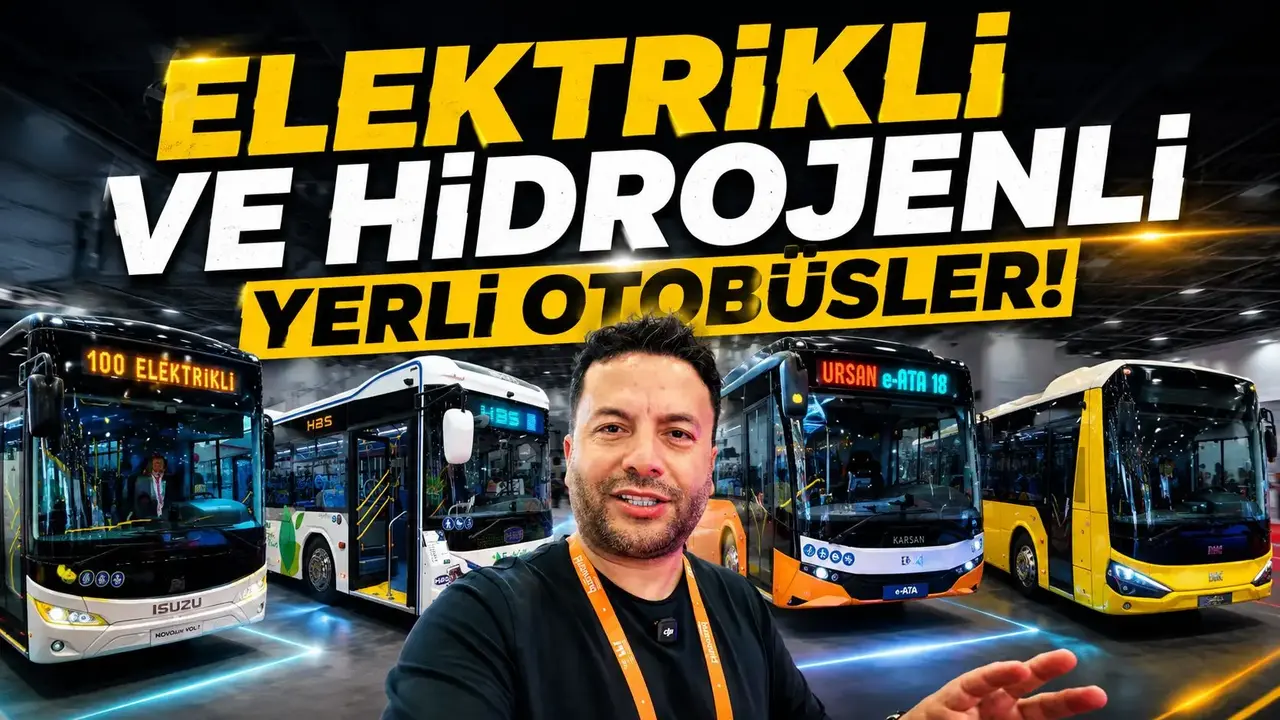
At the Busworld 2026 exhibition, Turkey solidified its role as a leading global production hub by showcasing its latest range of electric and hydrogen-powered buses. Industry experts and manufacturers gathered to witness the unveiling of these zero-emission vehicles, which are currently being exported to various countries across the European market. By integrating advanced battery technology, hydrogen fuel cells, and autonomous driving features, Turkish manufacturers are setting new benchmarks for public transportation. This exhibition highlighted how Turkey has successfully transformed its automotive sector to meet the growing demand for sustainable, efficient, and intelligent public transit solutions in an era defined by global climate goals.
- Turkey has emerged as a primary European manufacturing hub for zero-emission public transportation vehicles.
- The latest bus models feature advanced hydrogen fuel cell systems and next-generation battery technologies.
- Turkish-produced autonomous and digital-integrated buses are currently fulfilling high demand in international markets.
Turkey Strengthens Its Position in the Global Automotive Market
The transition toward sustainable mobility is accelerating, and Turkey is at the forefront of this evolution. During Busworld 2026, it became evident that the country is no longer just a participant but a leader in the design and production of eco-friendly buses. Modern fleets now incorporate sophisticated digital cockpits and driver assistance systems that prioritize both safety and operational efficiency.
These technological advancements represent a fundamental shift toward a greener future for urban transit.
Manufacturers Prioritize Efficiency and Passenger Comfort
Beyond the propulsion systems, Turkish manufacturers have made significant strides in passenger experience. The new buses displayed at the event feature ergonomic interiors, high-speed charging capabilities, and real-time connectivity, ensuring that public transport remains a competitive alternative to private vehicle use. The integration of smart city technologies allows these buses to communicate with infrastructure, optimizing travel times and energy consumption across busy metropolitan routes.
The engineering focus has moved toward creating a modular ecosystem where software and hardware work in tandem. By utilizing digital diagnostic tools, operators can now monitor vehicle health and battery performance with unprecedented accuracy. This holistic approach ensures that the total cost of ownership for municipal authorities remains manageable while significantly lowering carbon footprints.
Innovation in hydrogen technology ensures that long-range transit remains viable without compromising environmental standards.
Global Exports Continue to Expand Rapidly
The success of these vehicles in the European market demonstrates the high quality and reliability of Turkish engineering. Many transit agencies in major European cities have already incorporated these locally produced, zero-emission models into their active fleets. As the global push for decarbonization intensifies, the export volume of these buses is expected to grow, further cementing Turkey’s reputation as a reliable partner in the global mobility supply chain. The combination of competitive pricing and cutting-edge technology makes these buses an attractive option for governments aiming to modernize their public transportation infrastructure.
We are curious to hear your thoughts on the future of public transit. Do you believe that hydrogen or electric technology will play a more significant role in your city’s transportation network in the coming years? Share your insights with us in the comments section below.
Your comment has been submitted,
it will be published after approval.