
Wallpaper Engine Users Targeted by Sophisticated Malware Attacks

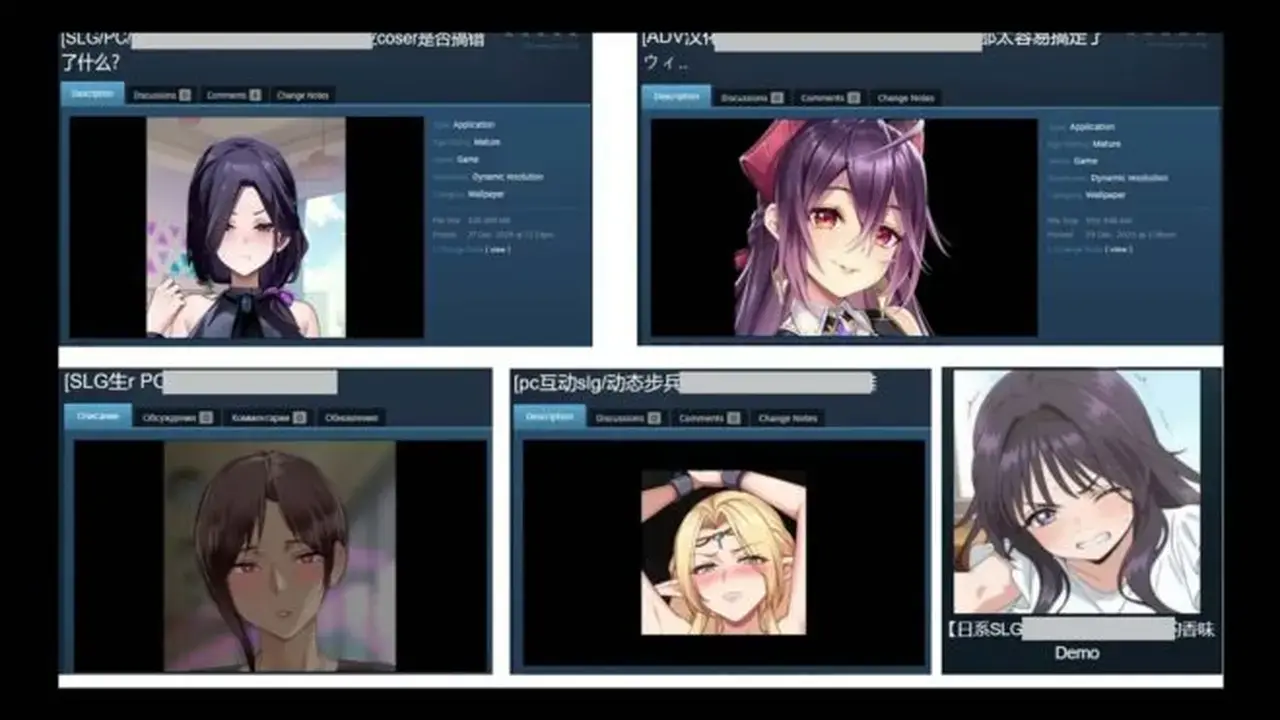
Security researchers at Kaspersky have uncovered a widespread cyberattack campaign targeting users of the popular application Wallpaper Engine. The malicious operation, which affects millions of Steam users globally, involves hackers injecting harmful code into seemingly innocent wallpapers uploaded to the Steam Workshop. By exploiting the platform’s technical infrastructure, attackers disguise malicious executables as standard image files. This sophisticated campaign aims to hijack Steam accounts, harvest personal data, and install invasive malware directly onto the victims’ systems, raising urgent concerns regarding the overall security posture of the Wallpaper Engine ecosystem and the safety of third-party community content.
- Attackers utilize malicious wallpapers within the Wallpaper Engine platform to distribute harmful software to unsuspecting users.
- These deceptive files function as executable programs that bypass standard security measures to gain unauthorized system access.
- The campaign specifically targets high-traffic regions including Russia, China, and several countries across Europe and Asia.
- Victims face significant risks, including the total compromise of their Steam accounts and the theft of sensitive personal information.
Cybercriminals are actively abusing trust by exploiting technical vulnerabilities inherent in the Wallpaper Engine platform.
Attackers Execute Malicious Code Through Deceptive Files
The methods employed by these threat actors depart from traditional malware distribution techniques. While users expect to download static JPEG or PNG files for their desktops, the compromised assets function as full-fledged executable programs. This clever obfuscation allows hackers to bypass casual inspection by both users and automated security filters.
Once a user applies these infected wallpapers, the hidden code executes in the background, effectively creating a backdoor into the host system. This allows the attackers to maintain persistence, steal authentication tokens, or deploy further malicious payloads without the user noticing any immediate performance degradation or visual anomalies.
Files disguised as simple wallpapers can fundamentally undermine the security of an entire operating system.
Global Scope of the Threat Continues to Expand
Data provided by Kaspersky indicates that this malicious campaign has achieved a significant global reach. While the primary concentration of affected users remains in regions like Russia and China, reports of compromised systems are emerging from a wide array of nations, including Germany, India, Singapore, Hong Kong, Vietnam, and Canada. The sheer scale of these infections highlights the dangers associated with trusting community-driven content platforms.
The incident serves as a stark reminder that even popular software ecosystems are not immune to sophisticated social engineering. As security experts analyze the breach, they emphasize the necessity for users to verify the source of their downloads and monitor system permissions more closely. While platform administrators are under pressure to strengthen content vetting processes, individual vigilance remains the most effective defense against such evolving digital threats.
Have you noticed any suspicious behavior after downloading content from the Steam Workshop, or do you have specific security habits to stay safe? Share your thoughts and experiences regarding these Wallpaper Engine vulnerabilities in the comments section below.
Your comment has been submitted,
it will be published after approval.