
Turkey’s Electric Vehicle Count Surpasses 440,000 Milestone

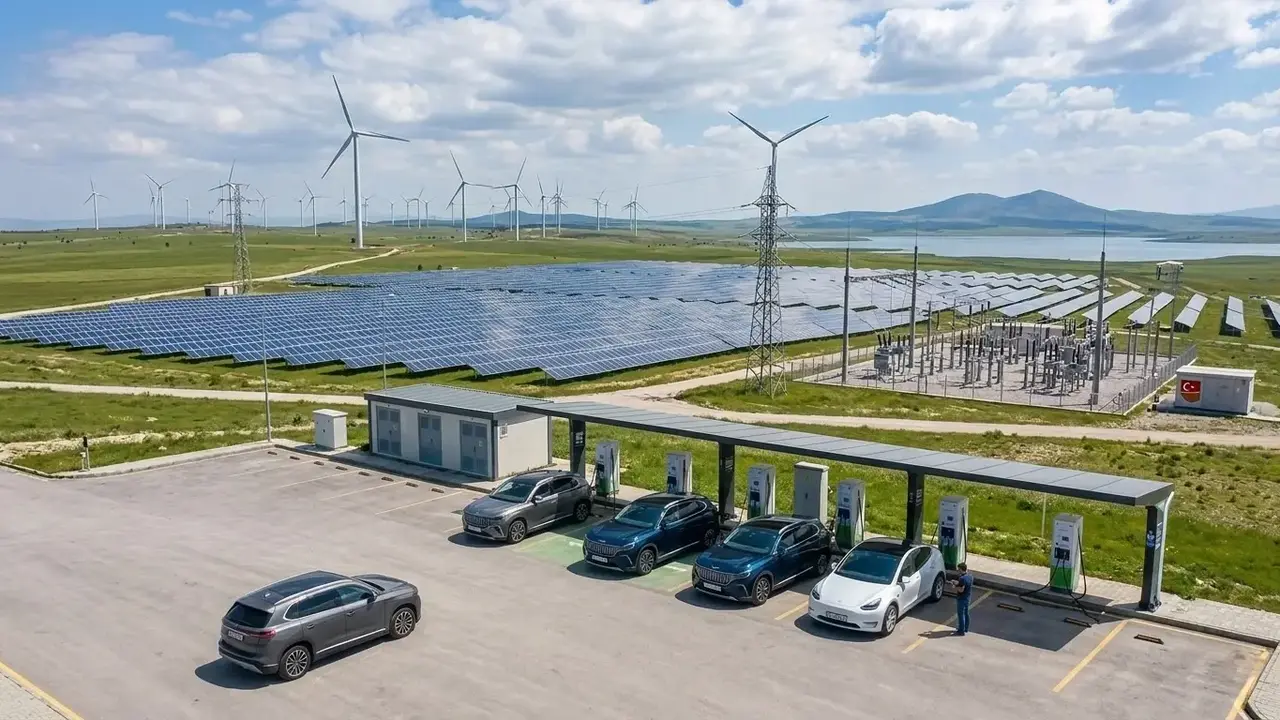
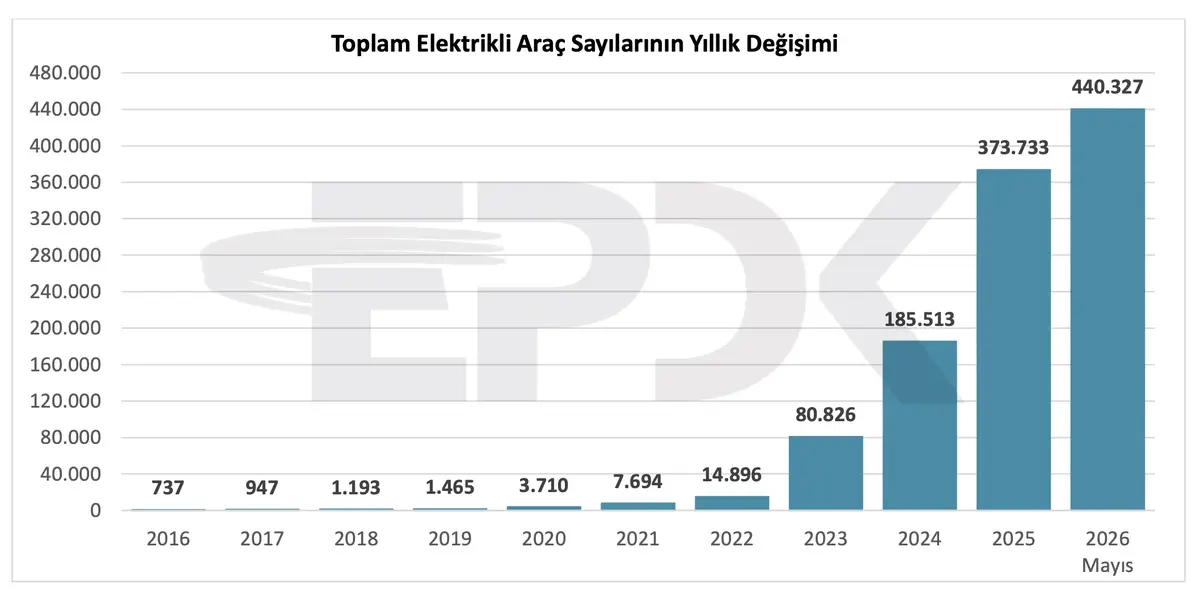
Turkey has achieved a significant milestone in its automotive sector as the total number of electric vehicles on the road has officially surpassed 440,327, according to the latest data released by the Energy Market Regulatory Authority (EPDK). This rapid shift, fueled by intense competition between global manufacturers and domestic innovator Togg, marks a transformative period in the nation’s transportation landscape. As charging infrastructure expands and consumer confidence grows, the transition toward electric mobility is no longer just a technological trend but a strategic move toward energy independence, effectively reducing the country’s reliance on imported fossil fuels.
- The total count of electric vehicles in Turkey reached 440,327 units by the middle of the year.
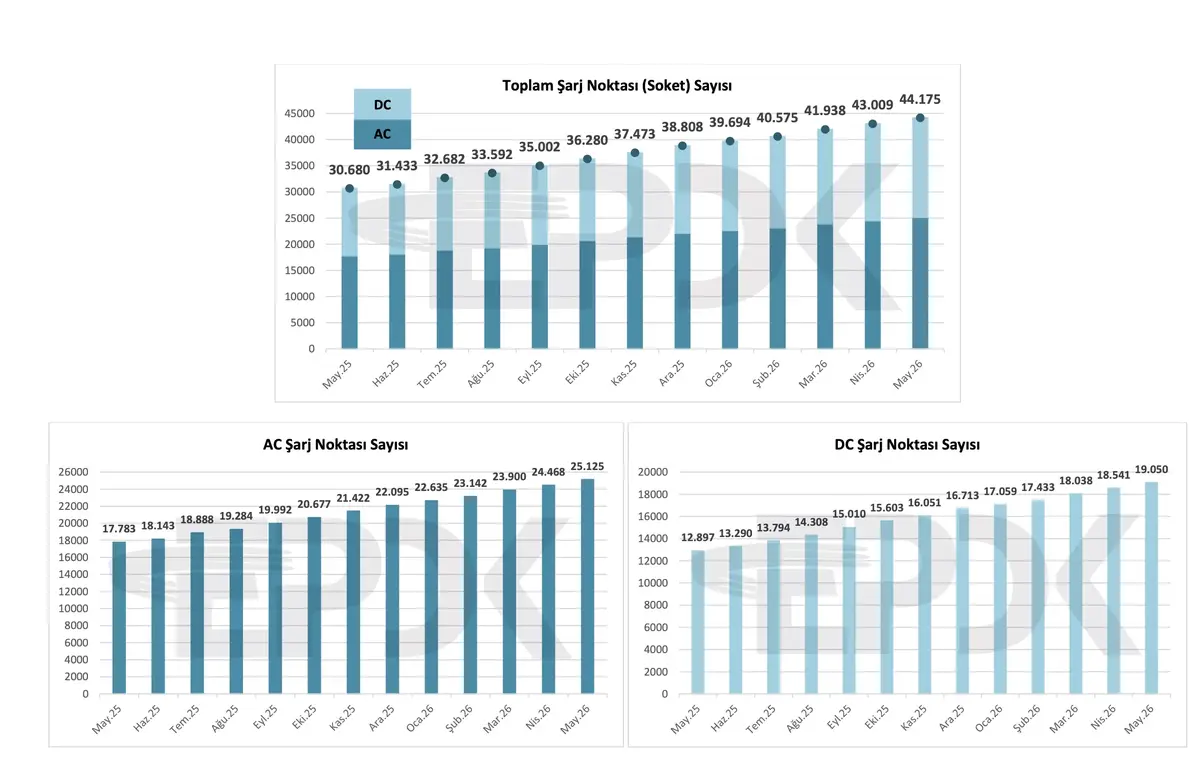
- The national charging network now includes 44,175 active sockets to support the growing fleet.
- Over 42 percent of the electricity consumed at these charging stations is generated from renewable sources.
This acceleration is particularly impressive when compared to historical figures. While the number of electric cars in the country was approximately 14,000 in 2022, the growth trajectory surged to 185,000 by the end of 2024 and reached 373,000 by the close of 2025. This consistent growth pattern highlights the public’s increasing trust in electric motor technology and the efficacy of government-coordinated infrastructure investments.
Charging Infrastructure Supports Rapid Market Expansion
The rise in vehicle numbers is being matched by an aggressive expansion of the national charging network. Currently, there are 44,175 commercial charging sockets available across the country. A breakdown of this network reveals that 25,125 of these are standard AC chargers, while 19,050 are high-speed DC chargers. The prevalence of DC fast-charging technology is particularly vital, as it effectively removes the range anxiety that often hinders long-distance electric travel.
High-speed DC charging stations now account for a significant portion of the network, ensuring that long-distance intercity travel is fully accessible to all electric vehicle owners.
Renewable Energy Sources Power the Electric Fleet
Energy consumption statistics further underscore the scale of this transition, with electric vehicles consuming 76,974 MWh of electricity within a single month. Notably, 84 percent of this energy demand was met through high-speed DC stations, demonstrating a clear preference for rapid charging among users. Even more significant is the environmental impact of this energy consumption.
Sustainability Targets Define the Future of Transport
Data indicates that 42.04 percent of the electricity used at these stations was derived from sustainable sources, specifically solar and wind power plants. This translates to 32,360 MWh of energy being generated directly from natural resources, preventing thousands of tons of carbon emissions. By utilizing domestic energy production, Turkey is successfully decoupling its transportation sector from imported oil, thereby improving its current account balance and fostering a greener national economy.
The massive shift toward wind and solar energy for vehicle charging proves that Turkey is firmly committed to an environmentally conscious and energy-independent future.
Geographically, the demand for charging remains concentrated in metropolitan areas. Istanbul leads the country, accounting for 25.35 percent of total charging consumption, followed by Ankara, Izmir, Bursa, and Antalya. With the total installed charging power reaching 3,412 MW, the infrastructure is well-positioned to accommodate the expected future growth in electric vehicle adoption.
As Turkey continues to expand its electric vehicle infrastructure and embrace sustainable energy, we would love to hear your thoughts on this transition; are you planning to switch to an electric vehicle in the near future, or do you have concerns regarding the current charging network?
Your comment has been submitted,
it will be published after approval.