
Rivian Faces Class-Action Lawsuit Over Autonomous Driving Technology Claims

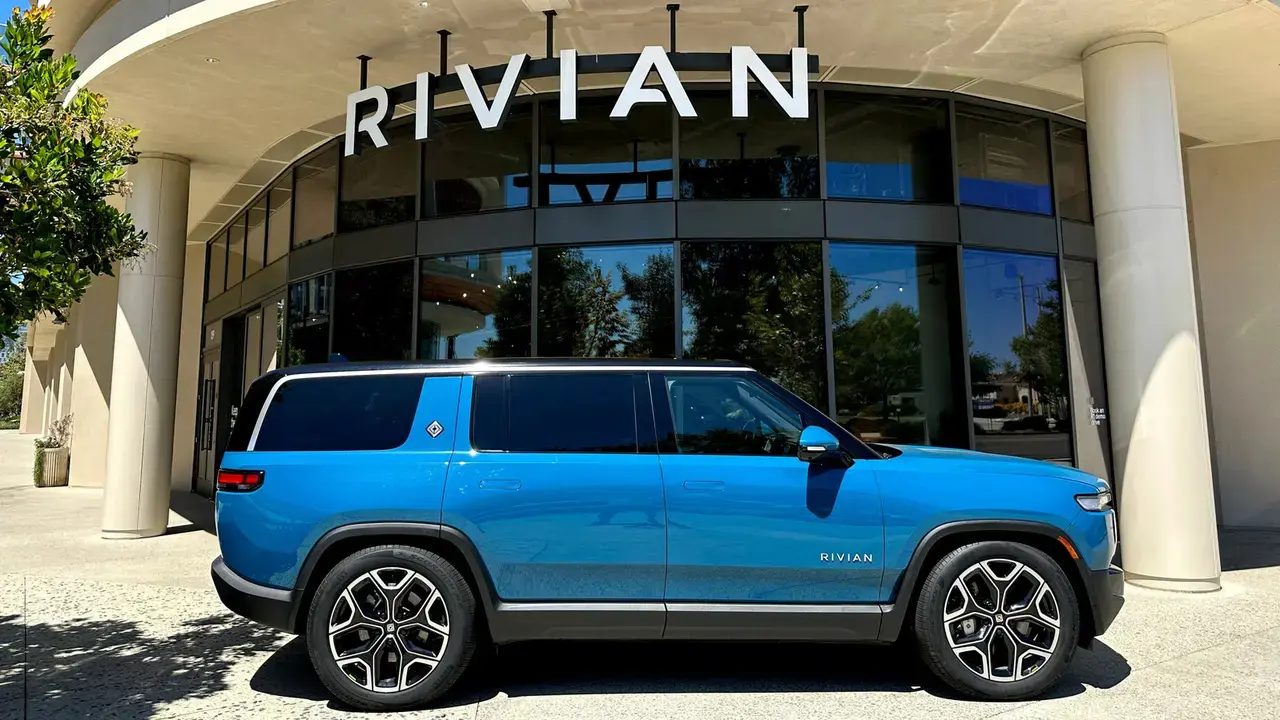
Electric vehicle manufacturer Rivian is currently facing a significant class-action lawsuit in the United States, centered on allegations that the company misled consumers regarding the autonomous driving capabilities of its early production models. Plaintiffs argue that the advanced driver-assistance systems advertised by the company fell significantly short of the promised performance, failing to meet the expectations set during the marketing phase. This legal challenge highlights a growing tension within the automotive industry, as major manufacturers struggle to bridge the gap between ambitious technological marketing and the actual, current limitations of autonomous driving software deployed in consumer vehicles.
- Rivian is contending with a class-action lawsuit filed by customers dissatisfied with the autonomous driving features in early models.
- The legal complaint alleges that the company utilized deceptive marketing tactics to exaggerate the capabilities of its driver-assistance systems.
- The outcome of this litigation could establish new legal precedents for how automotive companies market software-based driving technologies.
Legal Challenges Question Company Marketing Strategies
The rapid ascent of Rivian in the competitive electric vehicle market is now being tested by these serious legal accusations. The controversy primarily revolves around the terminology used to describe driver-assistance systems (ADAS) in promotional materials. For many early adopters, the experience behind the wheel did not align with the high-level autonomous features suggested by the brand’s branding.
Court documents reveal that many owners feel the software updates provided by the manufacturer failed to resolve the functional gaps in their vehicles. Despite the company’s ongoing efforts to refine its software, these measures have not placated the plaintiffs who claim they paid for features that were effectively non-existent at the time of purchase.
The widening divide between autonomous driving promises and real-world performance is severely damaging consumer trust in tech-forward automakers.
{{WP_IMAGE_1}}
Industry Debates Regarding Autonomous Driving Intensify
The global race to achieve full autonomy has frequently resulted in similar legal conflicts for automotive giants. The discrepancy between consumer technological expectations and the actual pace of engineering development remains the primary driver behind these collective legal actions. Industry analysts suggest that current regulatory frameworks may be insufficient to govern how these advanced features are communicated to the public.
Experts now emphasize that the industry must establish clearer standards for what constitutes autonomous capability to prevent future consumer confusion. This lawsuit serves as a critical warning for other manufacturers, as a ruling against Rivian could force the entire sector to adopt more transparent communication strategies regarding software-defined vehicle features.
Standardized communication protocols for autonomous technology are becoming an urgent industry necessity.
While Rivian has yet to issue a comprehensive formal defense, the company continues to maintain its focus on a software-driven development philosophy. However, the financial and emotional toll on customers cannot be ignored. If the court rules in favor of the consumers, Rivian may face substantial financial penalties and the necessity for immediate operational adjustments. The industry is watching closely, as this case will likely redefine the legal boundaries of marketing autonomous capabilities in the years to come.
Do you believe that automotive manufacturers should be held to stricter legal standards when marketing autonomous driving features, or is the consumer responsible for understanding the current limitations of such technology? Share your thoughts with us in the comments section below.
Your comment has been submitted,
it will be published after approval.