
Apple May Compromise iPhone Air 2 Performance to Cut Costs

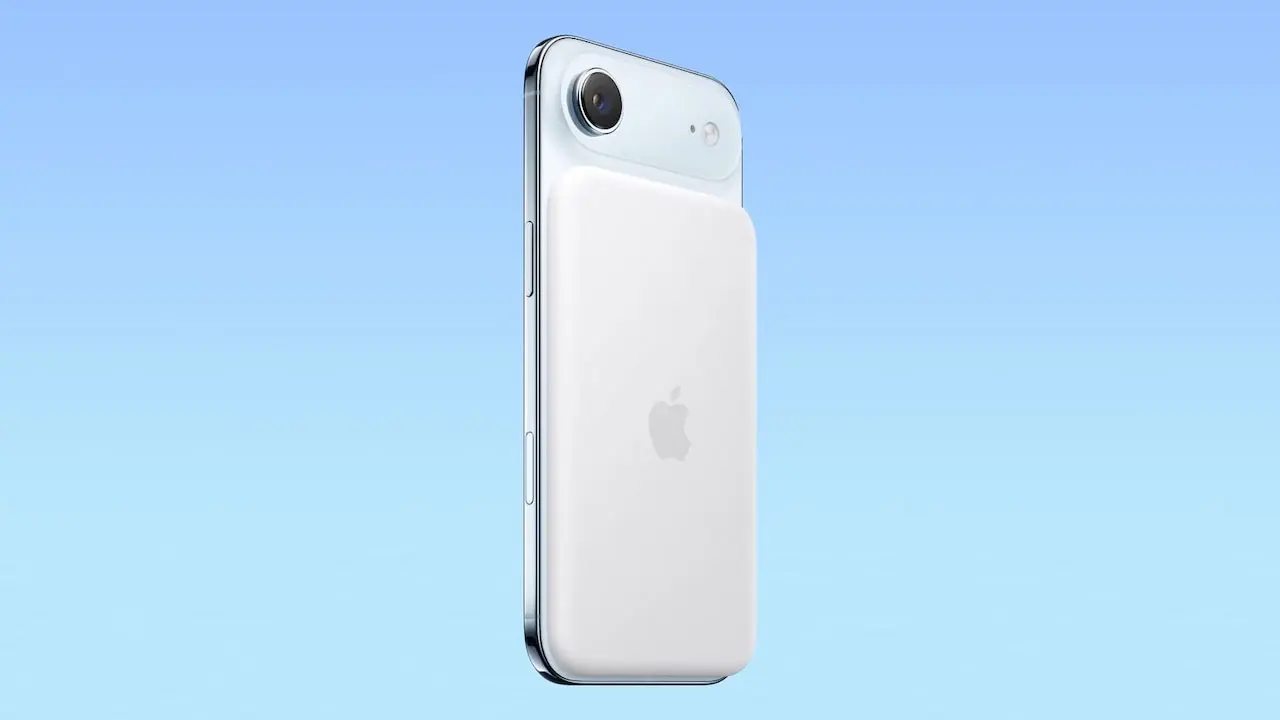
Apple is reportedly planning to launch the highly anticipated iPhone Air 2 in the spring of 2027, but recent industry reports indicate a significant shift in the company’s hardware strategy. Instead of equipping this slim, flagship-tier device with the high-performance A20 Pro chip, Apple is expected to utilize the standard A20 processor. This decision, aimed at optimizing production costs through the 2nm N2 manufacturing process, has sparked intense debate among industry analysts regarding the device’s market positioning. By prioritizing a thinner chassis over top-tier silicon, Apple faces potential challenges in justifying the premium pricing of the iPhone Air 2 compared to the standard iPhone 18 series.
- Apple intends to equip the iPhone Air 2 with a standard A20 chip rather than the A20 Pro model.
- The device features a dual 48MP camera configuration to enhance its photographic capabilities.
- Strategic cost-cutting measures may undermine the competitive market standing of the Air product line.
- Production of the A20 Pro variant remains exclusive to the iPhone 18 Pro and foldable devices.
Processor Choices Alter Hardware Strategy
Since its inception, the iPhone Air series has been defined by its minimalist design, yet it has frequently faced criticism for hardware limitations. While the 2027 model promises an upgrade with a dual-camera system, the decision to downgrade the internal chipset threatens to overshadow these improvements. Reports suggest that the A20 Pro will be reserved exclusively for the iPhone 18 Pro and prospective foldable models, leaving the Air 2 to settle for the base-level silicon.
The reliance on a standard A20 chip complicates the differentiation between the Air and Pro product tiers.
The transition to TSMC’s expensive 2nm manufacturing process is likely driving Apple toward these cost-saving measures. By standardizing the processor across multiple models, the tech giant stands to save millions in manufacturing expenses. However, this strategy creates a pricing paradox for consumers. If the iPhone Air 2 shares similar performance benchmarks and RAM specifications with the standard iPhone 18, the incentive for customers to pay a premium for the slimmer Air model diminishes significantly.
{{WP_IMAGE_1}}
The lack of a distinct performance advantage could relegate the iPhone Air 2 to a niche status rather than a true flagship contender. Without the Pro-grade processor, the device risks being perceived as a design-focused novelty rather than a powerhouse machine.
Future of Slim Devices Remains Uncertain
The current hardware trajectory suggests that the iPhone Air 2 might represent the limits of Apple’s ultra-thin design philosophy. Industry observers note that the company is likely aware of the limited consumer appetite for ultra-thin phones, prompting a conservative production strategy to mitigate inventory risks. If this hardware restriction fails to capture market share, it would not be surprising to see Apple revert to more traditional, feature-rich models like the previous Plus series in future development cycles.
Ultimately, the success of the iPhone Air 2 hinges on whether consumers prioritize physical aesthetics over raw processing power. As Apple navigates these production constraints, the tech community continues to scrutinize whether a thinner phone is worth the sacrifice in computational performance.
Do you believe that sacrificing processor performance for a thinner design is a sustainable strategy for Apple? Share your thoughts on what features you would prioritize in the upcoming iPhone Air 2 in the comments below.
Your comment has been submitted,
it will be published after approval.