
Apple Overcomes Technical Hurdles for Upcoming iPhone Ultra Production

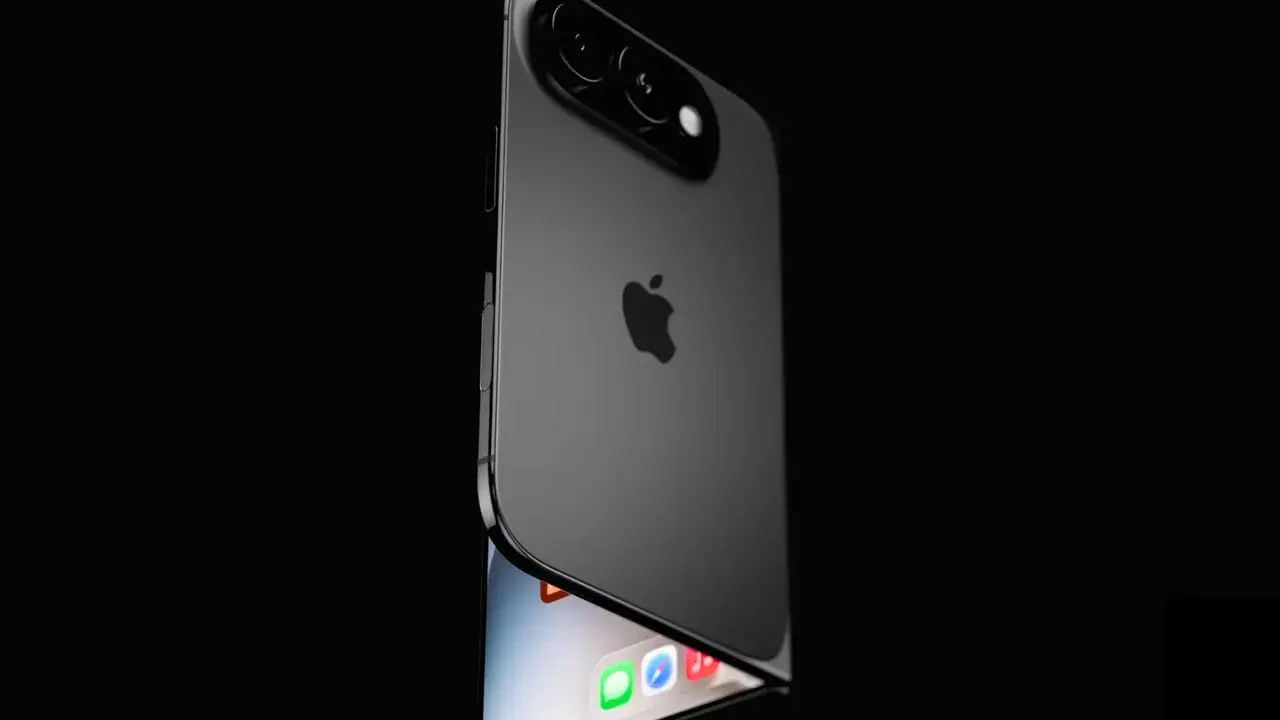
Apple has successfully navigated a critical phase in the development of its highly anticipated foldable smartphone, the iPhone Ultra, following reports that persistent technical challenges have been resolved. Recent updates from the supply chain indicate that the engineering team has rectified previous issues surrounding the device’s complex hinge mechanism, shifting the focus toward a potential launch at the company’s traditional September event. This progress signals a significant turnaround for the project, which had previously been plagued by rumors of delays extending into next year. By overcoming these manufacturing hurdles, the tech giant is now moving forward with test production, ensuring that the device meets the company’s rigorous quality standards before it enters the competitive foldable market.
- Apple has successfully resolved technical difficulties related to the hinge mechanism of the upcoming foldable device.
- The company has officially commenced the test production phase to ensure manufacturing stability.
- Industry consensus now points toward a scheduled product reveal during the September keynote event.
The successful resolution of these engineering flaws positions Apple to enter the foldable market with a product that avoids the durability pitfalls encountered by its competitors.
Hinge Mechanism Development Reaches a Critical Milestone
The core of the iPhone Ultra’s design relies on a sophisticated hinge system, which is manufactured by key suppliers Shinjuxing from Taiwan and Amphenol from the United States. These components are vital, as they govern the device’s folding motion and ensure long-term screen integrity during repetitive usage. Early development cycles were hindered by flaws in 3D-printed hinge modules, which showed inconsistencies in tolerance and durability levels. {{WP_IMAGE_1}}
Reports suggest that the engineering teams identified issues such as audible artifacts during folding and minor assembly misalignments. By refining the structural integrity and tightening manufacturing tolerances, Apple has effectively optimized the component for mass production. This development is crucial, as the company has historically favored a patient entry into new product categories to ensure that the hardware performance aligns with user expectations.
September Launch Plans Gain Momentum
Despite persistent speculation throughout the year that the iPhone Ultra could be postponed until December or even early next year, the current production trajectory suggests otherwise. The transition into the test production phase serves as the final checkpoint before full-scale manufacturing begins. This stage allows Apple to audit every production line for potential bottlenecks and quality assurance gaps.
The alignment of these manufacturing processes suggests that the company is on track to meet its original unveiling timeline.
By prioritizing long-term durability over a rushed market entry, Apple aims to establish the iPhone Ultra as the definitive standard for foldable technology. With the engineering challenges now relegated to the past, the industry is closely monitoring the supply chain for further signs of impending mass production ramp-ups. As the September date approaches, the company remains focused on maintaining the high-performance reputation associated with its flagship product line.
Given the high expectations surrounding this device, do you believe the foldable form factor is the future of the smartphone industry or simply a passing trend? Share your thoughts in the comments section below.
Your comment has been submitted,
it will be published after approval.