
MacBook Pro Buyer Saves $3,000 Before Massive Apple Price Hike

A sharp-eyed technology enthusiast recently secured a significant financial advantage by purchasing a high-end 14-inch MacBook Pro just before a major pricing adjustment implemented by Apple. By acquiring the top-tier configuration featuring the M5 Max processor shortly before the company updated its retail strategy, the user managed to save approximately $3,000 compared to current market rates. This timely transaction underscores the dramatic shift in Apple’s hardware pricing, which has impacted the entire lineup and left many professional users evaluating the increased cost of entry for the latest Apple Silicon machines.
- Apple increased the price of the top-tier 14-inch MacBook Pro from $6,899 to $9,699.
- Entry-level MacBook Pro models experienced a price surge from $1,699 to $1,999.
- Rising memory and hardware component costs forced Apple to adjust its global pricing strategy.
- Professional users face higher financial barriers when purchasing systems for resource-intensive tasks.
Price Adjustments Affect the Entire MacBook Ecosystem
The recent pricing strategy introduced by Apple extends well beyond the flagship M5 Max models. Consumers looking for entry-level performance are also feeling the pressure, as the base 14-inch MacBook Pro, equipped with 16GB of unified memory and a 1TB SSD, has jumped from $1,699 to $1,999. 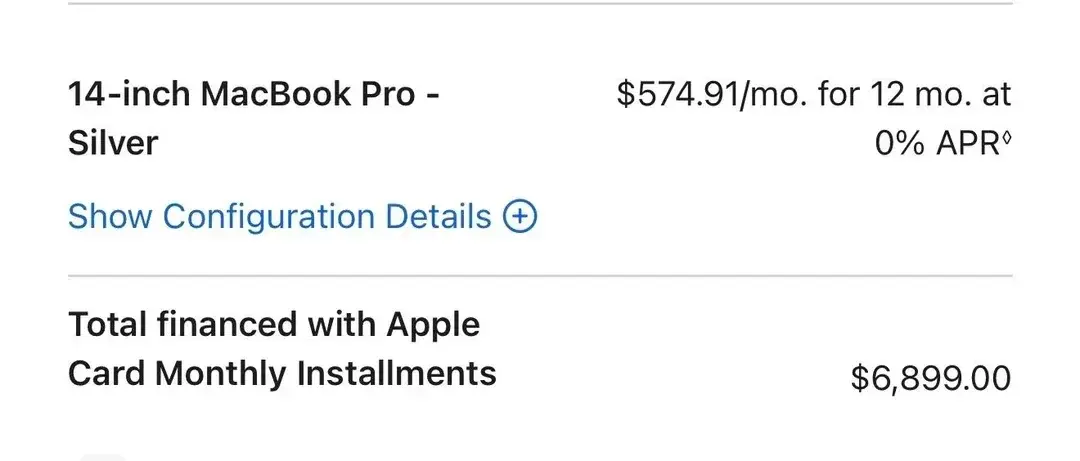 This trend follows broader industry fluctuations where the cost of premium components has reached levels that manufacturers label as unsustainable.
The total price discrepancy for high-end configurations now exceeds the cost of entire mid-range laptop units.
Even the more portable MacBook Air series has not been spared from these changes, with prices rising by $200 across the board. Furthermore, the base model of the MacBook Neo has seen its starting price climb from $599 to $699. 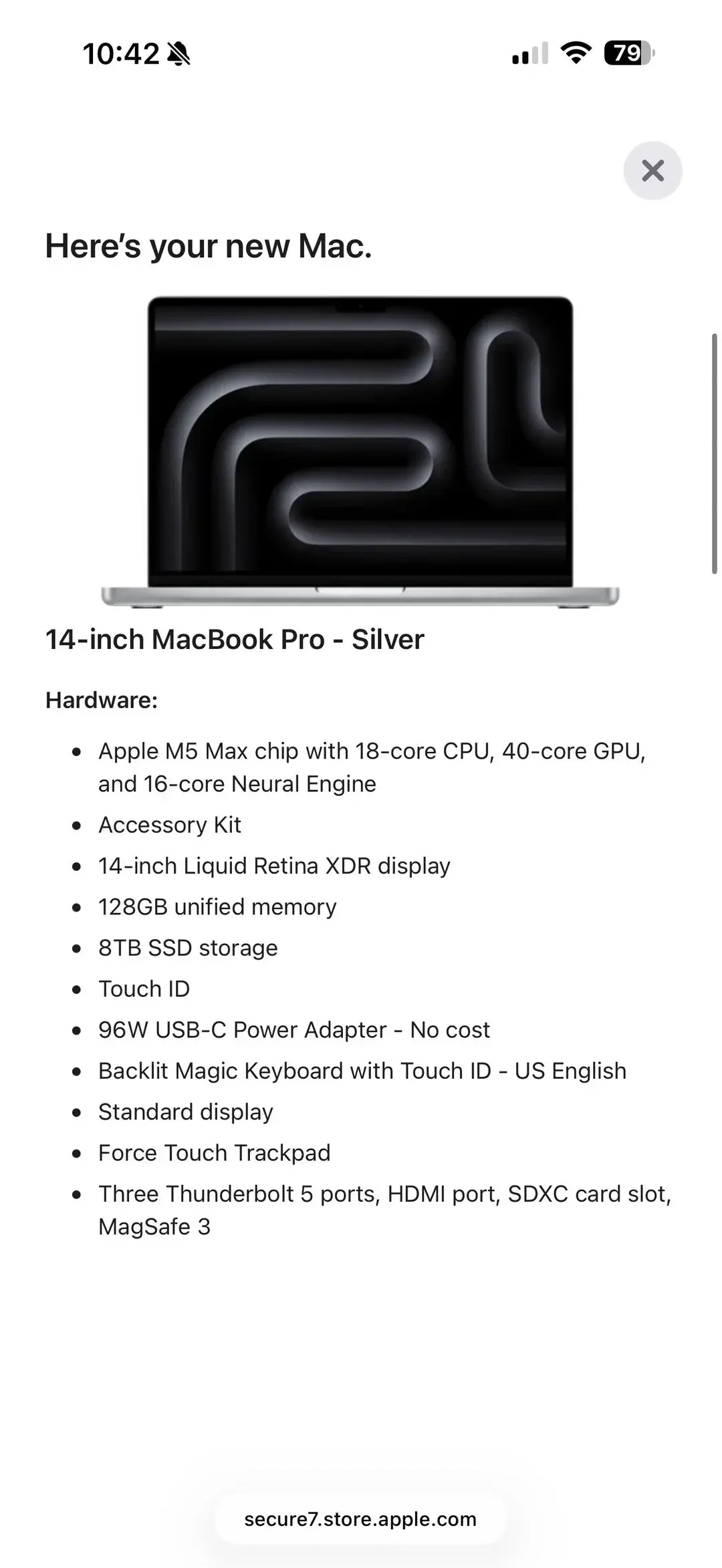 Industry analysts suggest that these movements are a direct result of ongoing volatility in global semiconductor and memory markets, which have forced Apple to pass the burden onto the end consumer.
Professional Workflows Face Higher Hardware Costs
For creative professionals, software developers, and engineers who rely on high-performance machines for tasks like local large language model processing or complex game development, these price hikes present a significant hurdle. 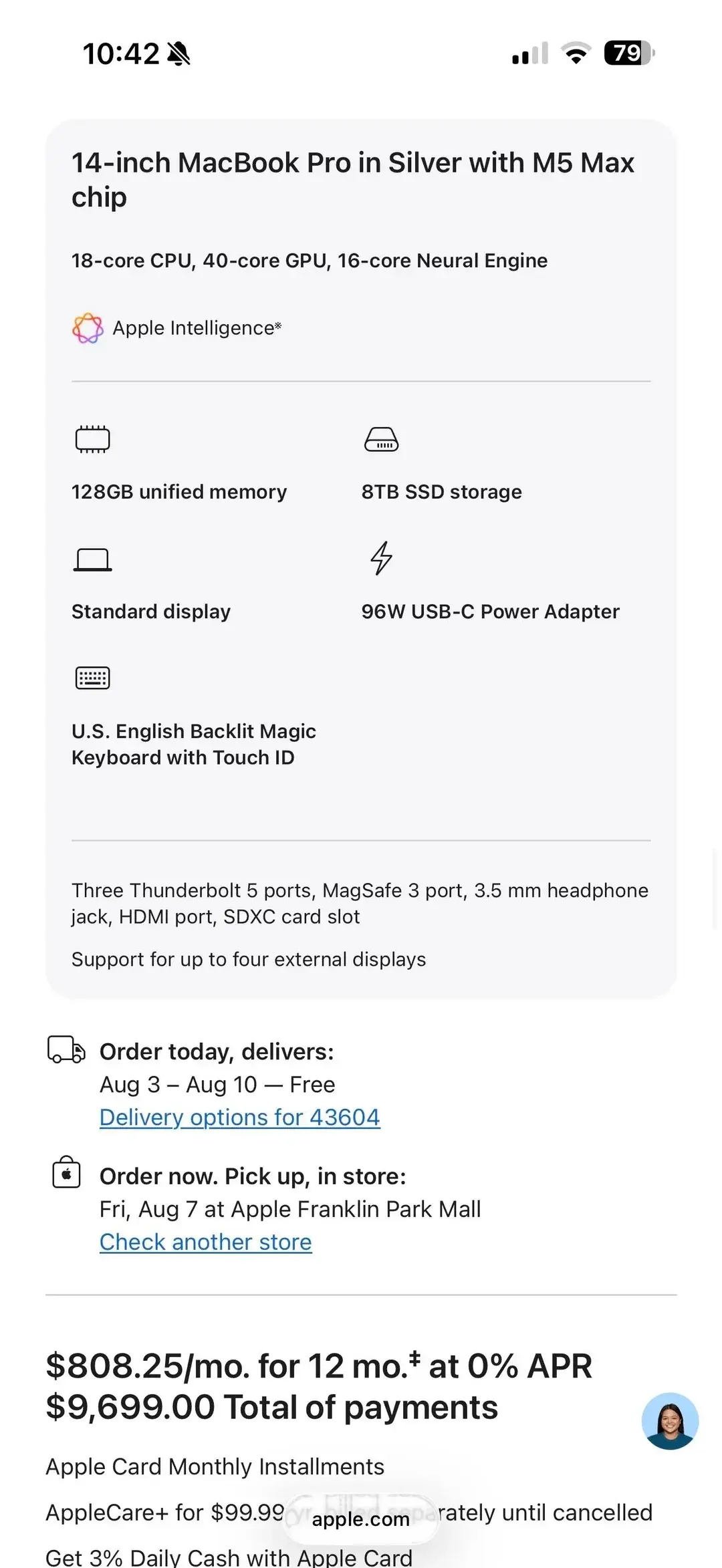 The necessity of high-capacity unified memory and large storage configurations means that these users are disproportionately affected by the recent adjustments. The cost difference between the old and new pricing structures is so vast that it effectively surpasses the retail value of some competitive models found on platforms like Amazon.
Apple’s new pricing strategy will likely remain in effect until hardware production costs stabilize globally.
Market Stability Remains Uncertain for Hardware Buyers
As the tech industry continues to navigate complex supply chain dynamics, experts do not anticipate a short-term decrease in memory costs. This reality suggests that Apple’s current pricing model is likely to persist for the foreseeable future, potentially altering the purchasing habits of professional users who require the latest Apple Silicon hardware to maintain their productivity. As the gap between value and cost continues to widen, the decision to invest in high-end workstations requires more careful financial planning than ever before.
We would love to hear your perspective on these recent price adjustments; do you believe the performance gains offered by the latest Apple hardware justify these increased investment costs, or are you looking for alternative solutions?
Your comment has been submitted,
it will be published after approval.