
FCAS Crisis and the Future of the KAAN Fighter Jet

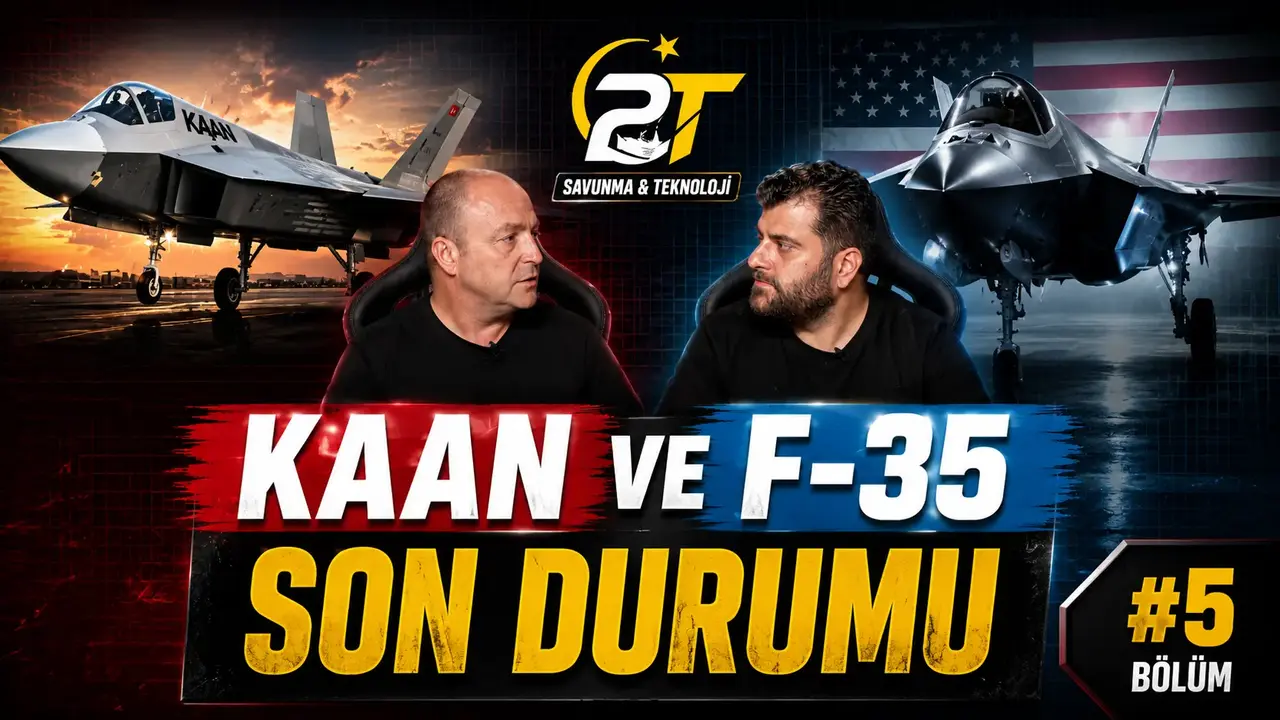
In the latest episode of the 2T Defense & Technology program, industry experts Tolga Özbek and his team analyzed the shifting landscape of military aviation, focusing on the potential impact of the stalled European Future Combat Air System (FCAS) project on Turkey’s homegrown KAAN fifth-generation fighter jet. As European nations grapple with internal disagreements that have brought the massive FCAS initiative to a standstill, analysts are questioning whether this vacuum creates a strategic window for Turkey. The discussion also covered critical updates regarding Turkey’s ongoing F-35 status, the global implications of Ukraine receiving Swedish-made Gripen aircraft, and the long-term engine procurement strategy for the KAAN platform.
- The European FCAS program faces significant stagnation due to industrial and political disagreements between France, Germany, and Spain.
- Turkey continues to progress with the KAAN fifth-generation fighter jet, currently focusing on engine supply chains and prototype development.
- The international defense community is monitoring whether the stall in European aviation projects will accelerate global interest in the Turkish KAAN platform.
European FCAS Stagnation Creates New Market Dynamics
The Future Combat Air System (FCAS), once hailed as the pinnacle of European defense cooperation, is currently mired in deep-seated disputes between major aerospace contractors Airbus and Dassault. With project costs exceeding 100 billion Euros, the inability to reconcile divergent national interests has paralyzed progress. This industrial impasse raises questions about the long-term viability of the project and its capacity to meet the timelines required by European air forces.
The failure of European collaborative projects shifts the competitive balance in global military aviation.
Turkey Evaluates Engine Sourcing for KAAN Development
A primary concern for the Turkish Aerospace Industries (TAI) remains the engine configuration for the KAAN fighter jet. While current arrangements indicate that the United States will provide the necessary propulsion technology, the program is diversifying its contingency plans. Experts are exploring whether international partnerships, potentially involving nations like China or collaborative ventures with regional allies, could serve as a secondary fallback if geopolitical conditions change. The goal remains to maintain the production schedule for the second prototype and move toward eventual mass production.
NATO Membership Influences Future F-35 Negotiations
The status of Turkey within the F-35 program remains a subject of intense geopolitical scrutiny following recent NATO summits. While the path back to the F-35 program is complex, the evolving requirements of the alliance may necessitate new diplomatic discussions. The Turkish defense establishment continues to weigh the benefits of integrating Western platforms with their indigenous domestic developments to ensure a balanced and resilient air force.
Geopolitical alignment dictates the future trajectory of Turkish defense procurement.
Global Shifts Affect Aircraft Procurement Strategies
The recent decision to supply Ukraine with Swedish Gripen fighters has sparked a debate regarding the operational superiority of various airframes. Analysts note that while the F-16 remains a workhorse of modern air forces, the specific mission capabilities of the Gripen provide unique advantages in contested environments. This comparison serves as a benchmark for Turkey as it considers its own fleet modernization, including the eventual integration of Eurofighter aircraft into its strategic inventory.
Given the current developments in European defense, do you believe the KAAN fighter jet will capture a significant share of the international market, or will the FCAS crisis push nations toward alternative solutions? Please share your expert opinion and thoughts in the comments section below.
Your comment has been submitted,
it will be published after approval.