
HMD Global Brings Back the Iconic Nokia Asha Series

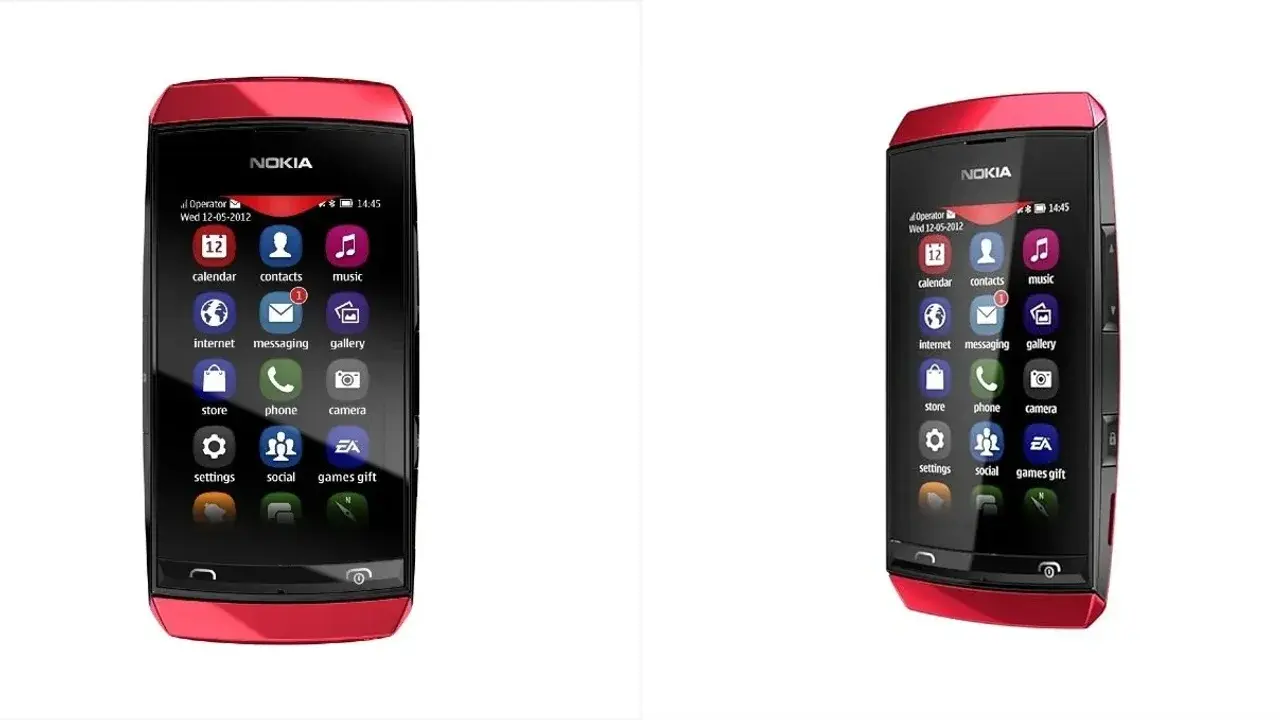
HMD Global is officially preparing to revive its classic budget-friendly Nokia Asha series, with recent certification filings on the company’s website confirming the development of a new device. Identified by the model number HMD TA-1779, the handset is expected to launch under the HMD Asha 305 moniker. This move signals a strategic return to the feature phone market, targeting users who appreciate the simplicity and compact nature of the original 2012 model. By integrating modern connectivity into this nostalgic design, the manufacturer aims to bridge the gap between retro aesthetics and contemporary communication requirements.
- The new HMD Asha 305 will feature LTE connectivity to support modern 4G network standards.
- Internal specifications include a 3.2-inch QVGA display paired with a Unisoc T127 chipset.
- The device incorporates practical hardware elements such as a 2MP camera, USB-C charging, and a 1,950mAh removable battery.
- The phone design prioritizes durability with an IP52 rating against water splashes and a lightweight 100-gram frame.
Modern Specifications Enhance the Classic Design
While the original Nokia Asha 305 was famous for its basic S40 operating system and limited capabilities, the new iteration is built to meet modern performance benchmarks. Based on technical insights from the HMD Touch 4G, the upcoming device will likely house 64MB of RAM and 128MB of internal storage, which remains expandable via microSD card slots. These specifications ensure that the phone functions efficiently as a reliable communication tool rather than a complex computing device.
The inclusion of 4G LTE support ensures that the device remains functional as global networks continue to sunset older 2G and 3G infrastructure.
Minimalist Technology Supports Digital Detox Efforts
The rise of digital detox trends has created a niche market for minimalist hardware that allows users to disconnect from social media saturation. Weighing only 100 grams, the HMD Asha 305 is designed for portability and ease of use. It serves as an ideal secondary device for professionals or travelers who require a dependable phone for calls and texts without the distractions inherent in high-end smartphones. The implementation of a USB-C port and Bluetooth 5.0 further aligns the device with current industry standards, ensuring seamless connectivity with modern peripherals.
HMD Global has previously demonstrated success in this segment by updating classic models like the Nokia 3210 for the 4G era. The certification progress of the Asha 305 suggests that an official announcement is imminent, marking another step in the company’s strategy to monetize brand nostalgia. By focusing on hardware reliability and long-term battery life, the manufacturer hopes to capture the attention of users seeking a reprieve from the constant demands of the digital world.
We are curious to know your thoughts on the return of such simple, classic hardware; do you think a device with these limited features could serve as your primary phone today, or is it better suited as a secondary backup? Share your opinions in the comments section below.
Your comment has been submitted,
it will be published after approval.