
OpenClaw Launches AI Agent App for iOS and Android

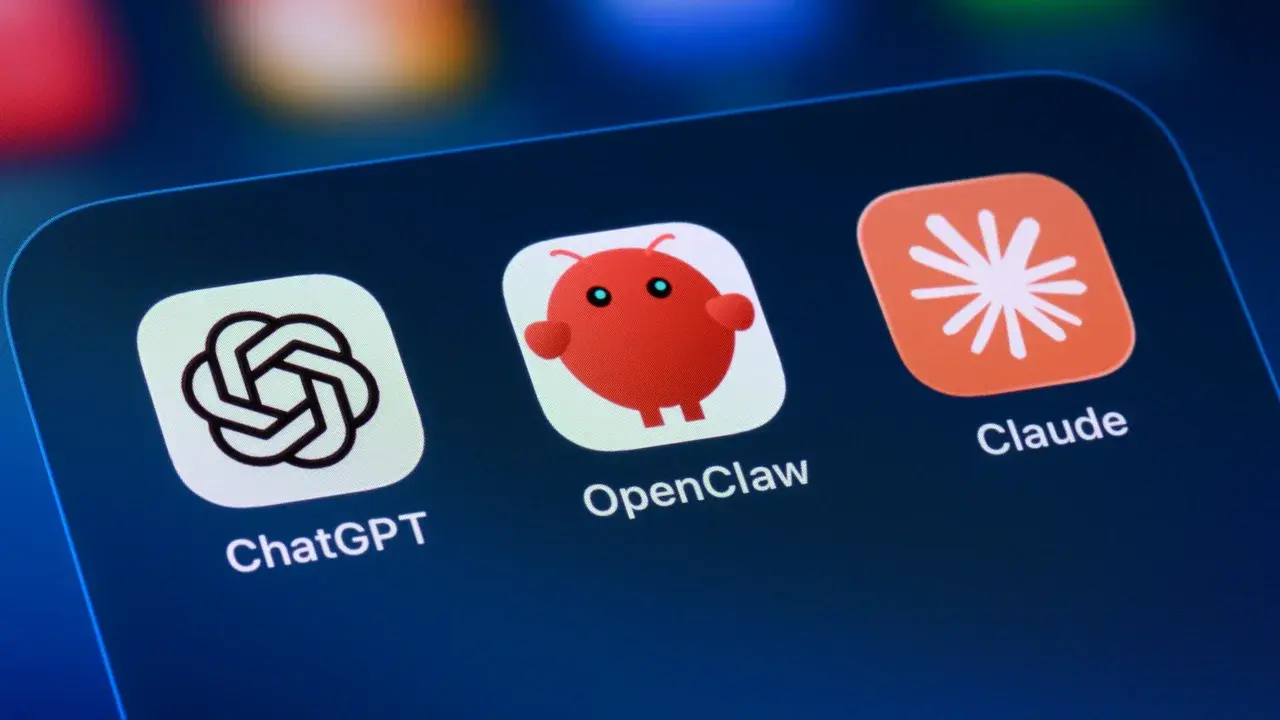
The OpenClaw platform officially released its new mobile application for both Android and iOS devices today, bringing advanced AI agent capabilities directly to users’ smartphones. This new mobile expansion allows users to connect to their existing private gateways, enabling seamless interaction with AI assistants, voice command execution, and remote device automation while on the move. Although the launch marks a significant step for the company in mobile accessibility, the initial rollout has encountered mixed feedback from the tech community, primarily due to notable design flaws and performance inconsistencies discovered by early adopters, particularly within the Android ecosystem.
- The OpenClaw application enables users to link their mobile devices to private gateways using QR or setup codes.
- Users can perform voice-based interactions, approve pending tasks, and manage specific device competencies through the mobile interface.
- Early Android reviews highlight significant technical stability issues and subpar performance metrics.
Mobile Application Design Fails to Meet User Expectations
Historically, OpenClaw has maintained a reputation for providing a robust command-line interface experience tailored for desktop environments. However, the transition to mobile appears to have stumbled, with many users criticizing the current design approach as overly simplistic and unpolished. Reports indicate that the user interface frequently overlaps with the system status bar, and visual elements often collide, resulting in a fragmented experience that lacks professional refinement.
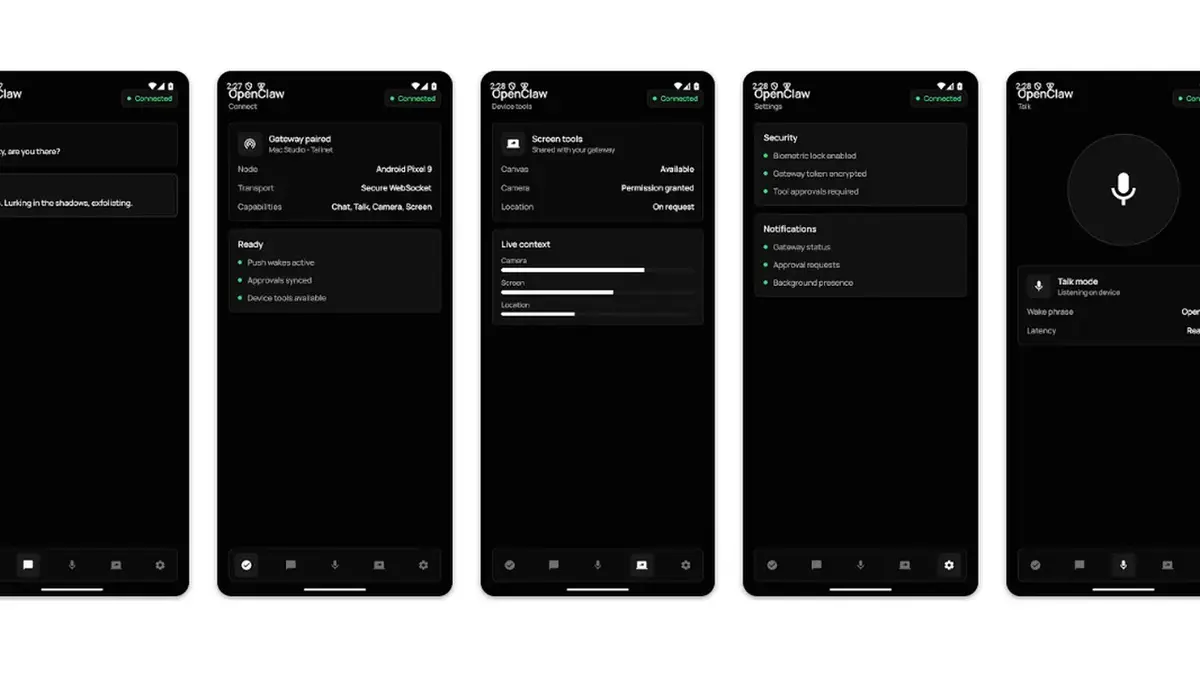
While the iOS version appears slightly more coherent than its Android counterpart, both platforms suffer from fundamental usability issues that hinder daily operation. The stark contrast between the power of the backend gateway and the fragility of the frontend design has left many power users disappointed, as the mobile application currently fails to reflect the high-performance standards associated with the OpenClaw brand.
New Standards Are Being Established for AI Agents
As industry leaders such as ChatGPT and Gemini shift toward more sophisticated agent-based architectures, OpenClaw is attempting to carve out its own niche in the market. This initial mobile experiment serves as a stark reminder that the delicate balance between technical functionality and user interface aesthetics is vital for mainstream adoption. Users emphasize that even with a highly capable backend, a mobile application must prioritize intuitive navigation to improve daily workflows.
Technical infrastructure loses its value when the user interface prevents efficient interaction with the system.
Urgent Updates Are Expected by the Community
The development team at OpenClaw currently faces pressure to address these early setbacks. The primary objective of providing a secure and reliable node for AI management is currently obstructed by technical bugs and compatibility errors. Industry observers expect the developers to release emergency patches for the Android version in the coming weeks. Without swift intervention to rectify these performance gaps, the promise of rapid, on-the-go access to AI agents will likely be overshadowed by a poor user experience.
In your opinion, should developers prioritize aesthetic design or raw functional capability when building AI-driven mobile tools? Share your thoughts on the OpenClaw launch and your experiences with mobile AI agents in the comments section below.
Your comment has been submitted,
it will be published after approval.