
Tesla Full Self-Driving Technology Advances Toward Global Expansion

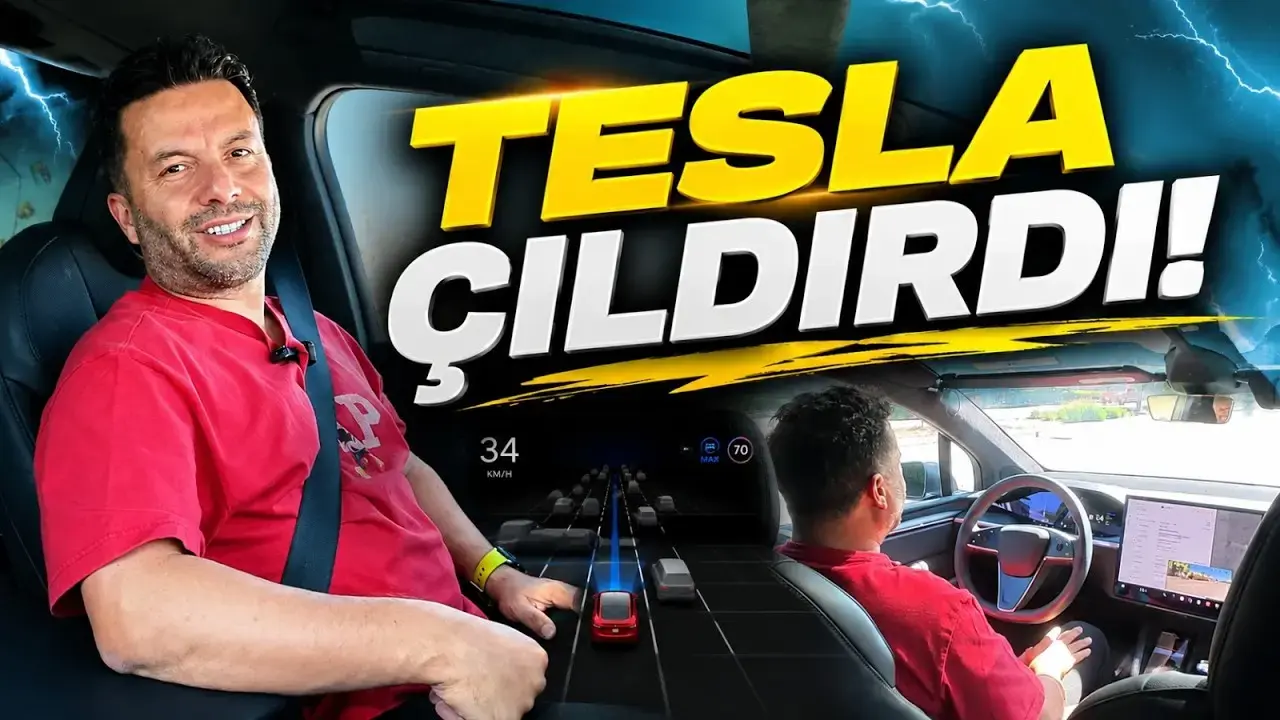
Tesla is currently refining its Full Self-Driving (FSD) system in the United States, showcasing advanced autonomous capabilities that are expected to reach international markets, including Turkey, in the near future. While testing the latest iteration of the software inside a Tesla Model X in San Francisco, observers noted significant improvements in how the vehicle handles complex urban environments. The system, which utilizes sophisticated sensors and real-time data processing, now demonstrates a more intuitive approach to lane changes and intersection navigation. As the company pushes toward the official rollout of this technology, regulators and users alike are closely monitoring the system’s evolving safety protocols and operational efficiency.
- Tesla has significantly enhanced the FSD system’s ability to navigate intersections and perform lane changes through recent software updates.
- The manufacturer is actively preparing for the global expansion of autonomous driving technology pending local regulatory approvals.
- Tesla is utilizing its current FSD testing data to refine the operational parameters of its upcoming dedicated robotaxi fleet.
Autonomous Driving Systems Improve Through Software Updates
The current state of Tesla’s Full Self-Driving technology reflects a major transition from experimental software to a more refined, production-ready solution. Recent updates have focused heavily on smoothing out the vehicle’s decision-making process. By analyzing traffic flow more effectively, the car can now anticipate necessary adjustments well in advance, rather than reacting abruptly to road conditions. This increased responsiveness is critical for both passenger comfort and road safety.
Enhanced software integration allows Tesla vehicles to navigate urban traffic with greater precision than previous versions.
Despite these technological strides, the system remains in a stage where human oversight is essential. The software is designed to assist the driver, yet it requires constant vigilance to ensure that the vehicle adheres to all local traffic laws. As the technology matures, the reliance on human intervention is expected to decrease, but for now, the driver remains a necessary component of the safety framework.
Global Markets Prepare for Autonomous Integration
The anticipation surrounding the release of Full Self-Driving in various countries, such as Turkey, continues to grow. Tesla’s long-term strategy involves more than just software for existing vehicles; it encompasses the eventual deployment of a dedicated robotaxi network. These specialized vehicles feature unique designs optimized for high-efficiency, driverless transport. San Francisco currently serves as a primary testing ground for these models, providing invaluable data that will influence future international deployments.
International regulatory approval processes will determine the timeline for the official rollout of autonomous services in global markets.
As these vehicles gain more miles in diverse environments, the underlying AI models become more robust. Tesla continues to release incremental updates that address specific edge cases encountered during daily operation. This iterative development model ensures that the system is constantly adapting to the complexities of real-world road infrastructure.
Future Mobility Concepts Evolve Rapidly
Looking ahead, the integration of autonomous technology is poised to redefine urban mobility. The success of the current FSD program indicates that fully autonomous transport may soon become a reality for a wider population. While the wait for official approval continues, the progress made by the engineering team remains a testament to the rapid evolution of artificial intelligence in the automotive sector.
What are your thoughts on the safety and reliability of autonomous driving technology in your local area? Share your perspective in the comments section below.
Your comment has been submitted,
it will be published after approval.