
Sony Ends PlayStation Physical Disc Production by 2028


Sony Interactive Entertainment has officially announced a major shift in its gaming strategy, confirming that the company will cease the production of physical Blu-ray discs for all new PlayStation titles starting in January 2028. Senior Content Communications Director Sid Shuman revealed that this decision stems from a global transition toward digital platforms, as consumer habits have decisively shifted away from physical media. Moving forward, all newly released games will be available exclusively through the PlayStation Store or via digital download codes sold at retail outlets, marking the end of an era for physical console gaming.
- Sony will stop manufacturing physical discs for all new PlayStation games beginning in January 2028.
- Digital sales currently account for over 85 percent of total PlayStation game revenue.
- The transition reflects a broader industry trend where even major titles like GTA 6 are moving toward digital-only distribution models.
- The phase-out will effectively eliminate the traditional second-hand market and game trading capabilities for future releases.
Digital Media is Replacing Physical Discs
The announcement from the PlayStation Blog serves as the final step in a long-standing process of digital transformation. According to official data, physical game spending in the United States hit record lows in 2025, falling to approximately 1.5 billion dollars. As logistical costs and manufacturing overhead for plastic cases and discs continue to climb, maintaining a physical supply chain has become increasingly unsustainable for major publishers.
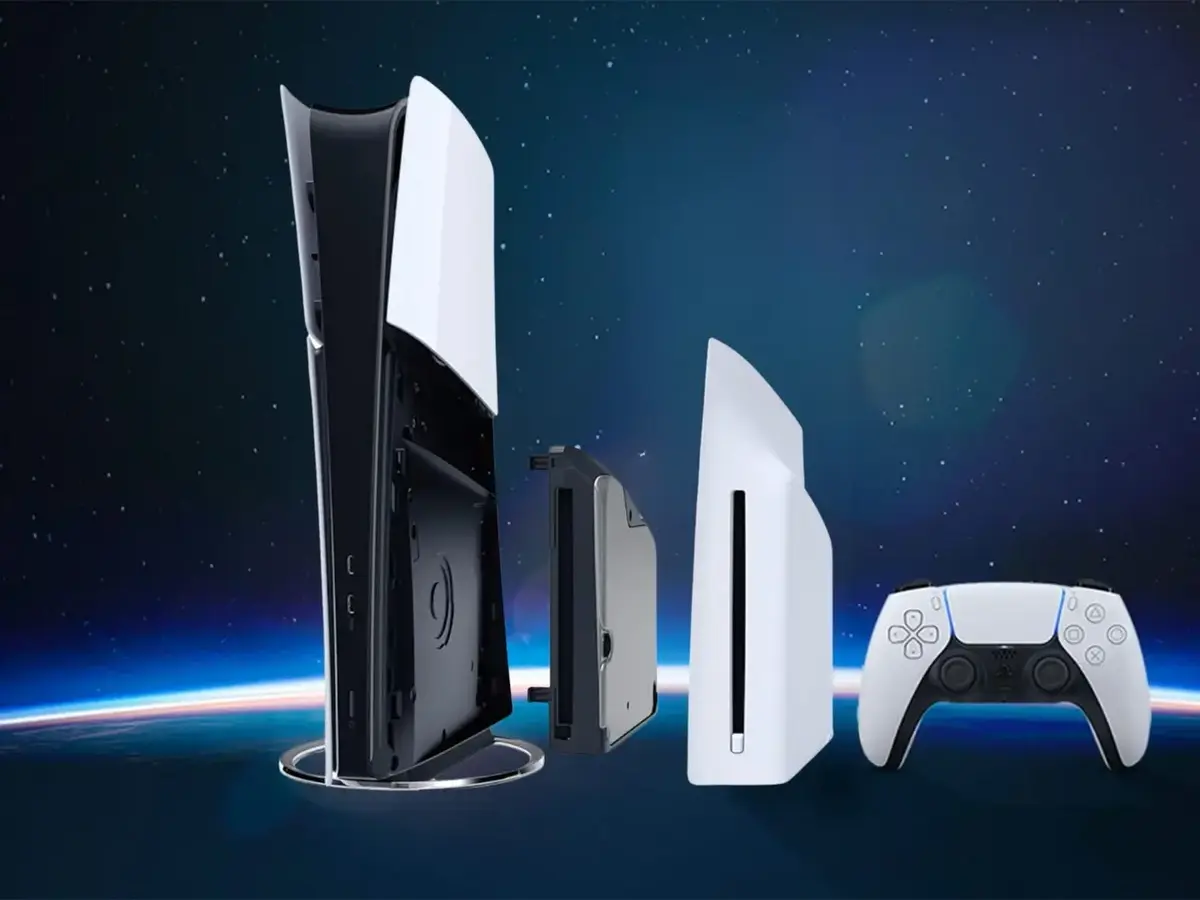
Physical game production is becoming a relic of the past as digital ecosystems dominate the market.
Third-Party Developers Embrace Digital Trends
Sony’s strategic pivot is heavily influenced by the choices of major third-party developers. Rockstar Games, for instance, set a significant precedent by confirming that physical copies of GTA 6 will contain digital download codes rather than actual game discs. This industry-wide move towards code-in-a-box solutions allows retailers to keep shelf space for gaming products while ensuring that the actual software remains tethered to digital platforms.
Collectors Face Challenges in the Digital Landscape
This transition presents significant hurdles for collectors and players who rely on the second-hand market. Once new games are strictly digital, the ability to trade, sell, or lend physical copies will essentially vanish. This restriction ties consumers directly to the pricing structures set by digital storefronts, eliminating the cost-effective alternatives previously provided by used game retailers.
The shift to digital-only ownership raises serious concerns regarding long-term content accessibility and preservation.
The recent removal of the title ‘Concord’ from digital storefronts has served as a wake-up call for many, highlighting the fragility of digital licenses. When a game exists only on a server, players are purchasing a revocable right to access content rather than owning a permanent physical copy. This development has reignited intense debates within the community regarding digital rights and the future of game ownership.
Hardware Designs are Reflecting This Shift
The 2028 timeline suggests that upcoming hardware, likely including the future PlayStation 6, will be designed without an internal disc drive as a standard feature. While users may have the option to purchase external disc drives to support their legacy collections of PS4 and PS5 games, the era of the native physical format is clearly drawing to a close. The gaming industry is undergoing a radical evolution, and the physical discs that defined generations of play are rapidly fading into history.
How do you feel about the transition to a purely digital library, and will you miss the tradition of collecting physical game cases? Share your thoughts in the comments section below.
Your comment has been submitted,
it will be published after approval.