
Samsung Galaxy S27 Ultra Tests High-Capacity Battery Technology


Samsung is currently evaluating new battery configurations for its upcoming flagship, the Galaxy S27 Ultra, as the tech giant seeks to enhance overall power performance without resorting to expensive silicon-carbon technology. Despite industry trends leaning toward newer materials, the company remains focused on optimizing traditional lithium-ion solutions to maintain cost efficiency while aiming to break the long-standing 5,000mAh capacity barrier. By testing cells ranging from 5,600mAh to 5,800mAh, Samsung intends to provide a significant competitive advantage against rivals like the iPhone 18 Pro Max. This strategic shift reflects a broader commitment to balancing hardware upgrades with rigorous budget discipline to ensure product marketability.
- Samsung aims to avoid a $22-28 million cost increase associated with adopting silicon-carbon battery technology.
- The engineering team is testing new lithium-ion cells with capacities between 5,600mAh and 5,800mAh for the Galaxy S27 Ultra.
- The company prioritizes optimizing existing battery technology to navigate ongoing DRAM market supply constraints.
- These capacity upgrades represent the first major shift beyond the 5,000mAh limit since the release of the Galaxy S20 Ultra.
Silicon-Carbon Technology Creates Substantial Production Costs
The strategic decision-making process at Samsung is currently heavily influenced by production economics and supply chain stability. Reports indicate that transitioning to silicon-carbon battery technology would impose an additional financial burden of approximately $22 million to $28 million per million units produced. In contrast, the company’s current reliance on traditional lithium-ion technology keeps production costs significantly lower, hovering between $12 million and $15 million per million units.
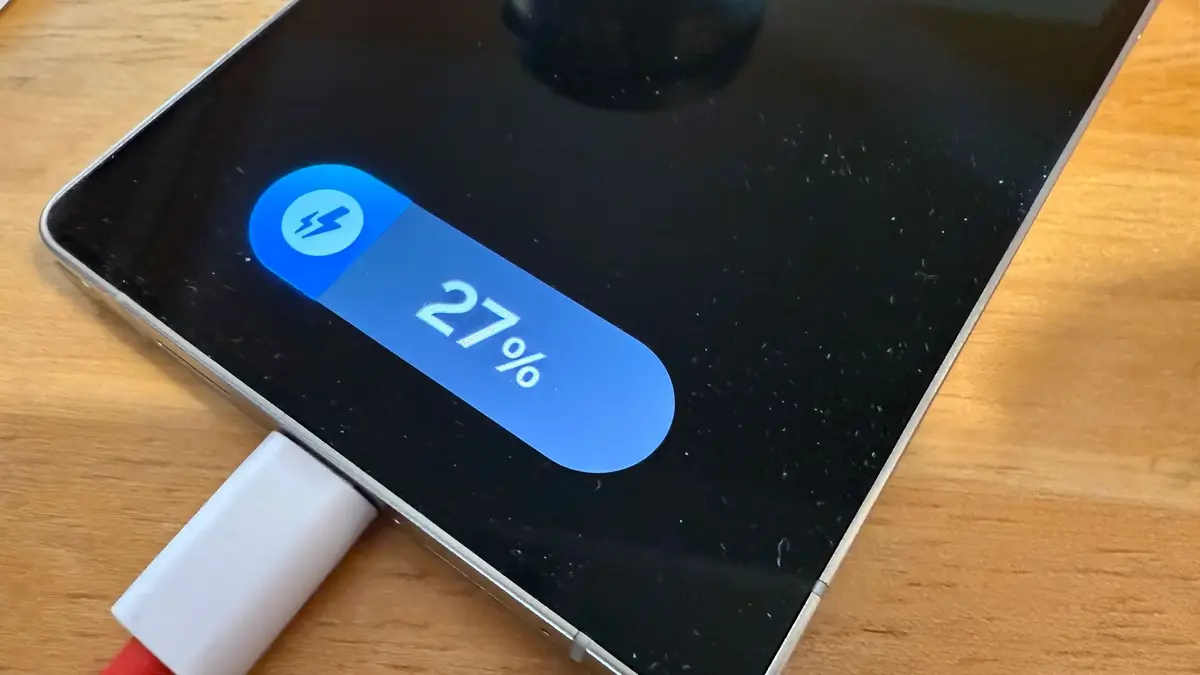
Budgetary discipline remains a primary objective for Samsung while the company navigates ongoing supply chain volatility in the DRAM sector.
Galaxy S27 Ultra Offers Increased Battery Capacity
Development reports suggest that Samsung is actively testing higher density battery cells specifically for the Galaxy S27 Ultra. If these internal validation processes prove successful, the final consumer model is expected to feature a capacity of at least 5,500mAh. This hardware improvement is widely viewed as a critical step to ensure the flagship remains competitive in an increasingly crowded high-end smartphone market.
iPhone Competition Necessitates Enhanced Software Optimizations
The presence of large battery capacities in competing devices like the iPhone 18 Pro Max has forced Samsung to rethink its power management strategy. Because the manufacturer continues to utilize lithium-ion hardware, it must rely on advanced software refinements within the OneUI interface to bridge the performance gap. Future firmware updates will likely focus on aggressive power consumption management to extend real-world battery life for the end user.
Enhanced software integration is essential for Samsung to maintain its competitive edge in the flagship smartphone segment.
The persistent rumors surrounding the Galaxy S27 Pro, which may stick to a 5,000mAh limit, suggest that the Ultra model must offer substantial hardware improvements to justify its premium market position. Amidst a challenging global economic climate, these capacity enhancements serve as a strategic effort to sustain consumer demand and protect overall market share. While these developments point toward a significant hardware boost, all technical specifications remain subject to change until the official unveiling of the device.
Do you believe that Samsung’s decision to prioritize cost-effective lithium-ion technology is the right move, or would you prefer to see the latest experimental battery materials in your next flagship device? Share your thoughts with us in the comments section below.
Your comment has been submitted,
it will be published after approval.