
Turkey to Phase Out Eşel Mobil Fuel System in 3 Months

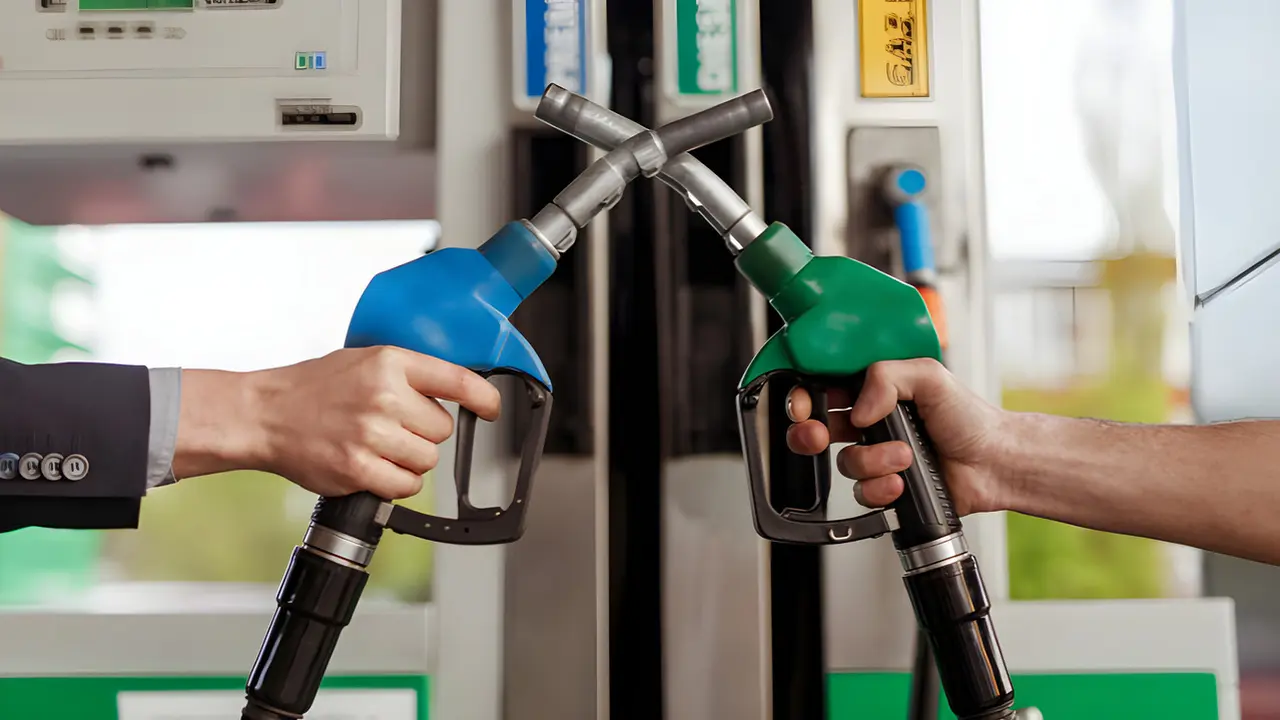
The Turkish government has officially announced that the Eşel Mobil system, a fuel price stabilization mechanism, will be gradually phased out over the next three months. According to the recent decision published in the Official Gazette, this policy, which was implemented by the Ministry of Treasury and Finance, served as a protective shield against the volatility of global energy markets and its potential impact on domestic inflation. By absorbing price spikes, the system prevented the full cost of global oil fluctuations from being passed directly to consumers. The transition marks a return to more standard market pricing mechanisms as part of the current economic management program.
- The Eşel Mobil system will undergo a full termination process over a three-month period.
- The government originally introduced the mechanism to mitigate the inflationary impact of sudden fuel price hikes.
- Finance Minister Mehmet Şimşek confirmed that the policy provided significant price advantages to citizens compared to market-indexed costs.
- The current economic administration plans to normalize tax regulations regarding fuel products.
Minister Şimşek Highlights the Benefits of the System
Minister of Treasury and Finance Mehmet Şimşek recently provided detailed data illustrating how the Eşel Mobil system effectively suppressed fuel prices during its operation. By comparing current prices with theoretical market-based rates, the Minister highlighted the tangible financial relief provided to the public. He noted that without these protective measures, the price of diesel in Ankara would have reached 83.10 TL, whereas it remained at 67.10 TL under the system’s support. Similarly, gasoline prices would have climbed to 71.11 TL, compared to the actual 62.30 TL seen at the pumps during that period.
Economic authorities are prioritizing a transition toward normalized tax adjustments for fuel products.
Current Price Discrepancies Reveal Economic Impact
Further data presented by Minister Şimşek emphasized the critical nature of the system’s intervention in the domestic market. The Minister stated that if the Eşel Mobil framework had not been in place, diesel would have cost 103 TL per liter, while the current price is maintained at 86 TL. Furthermore, gasoline would have reached 78 TL per liter instead of the current 64 TL level. These figures serve as evidence that the policy created a substantial price gap, effectively shielding the consumer from the full force of international energy inflation.
The Removal of the System Signals a New Era
The government’s decision to end the system over a three-month transition window aims to ensure better alignment with current market conditions. This shift is interpreted as a precursor to a new era where energy prices will be determined more independently of government subsidies. Economists anticipate that once the Eşel Mobil system is fully dissolved, domestic pump prices will react more directly to fluctuations in global Brent crude oil prices and currency exchange rates.
Ending the Eşel Mobil system will trigger a comprehensive change in fuel pricing dynamics.
How do you anticipate the phase-out of the Eşel Mobil system will affect your household budget and transportation costs? Please share your thoughts and expectations regarding these upcoming changes in the comments section below.
Your comment has been submitted,
it will be published after approval.