
Intel Nova Lake-S Core Ultra 5 Processors Feature 22 Cores

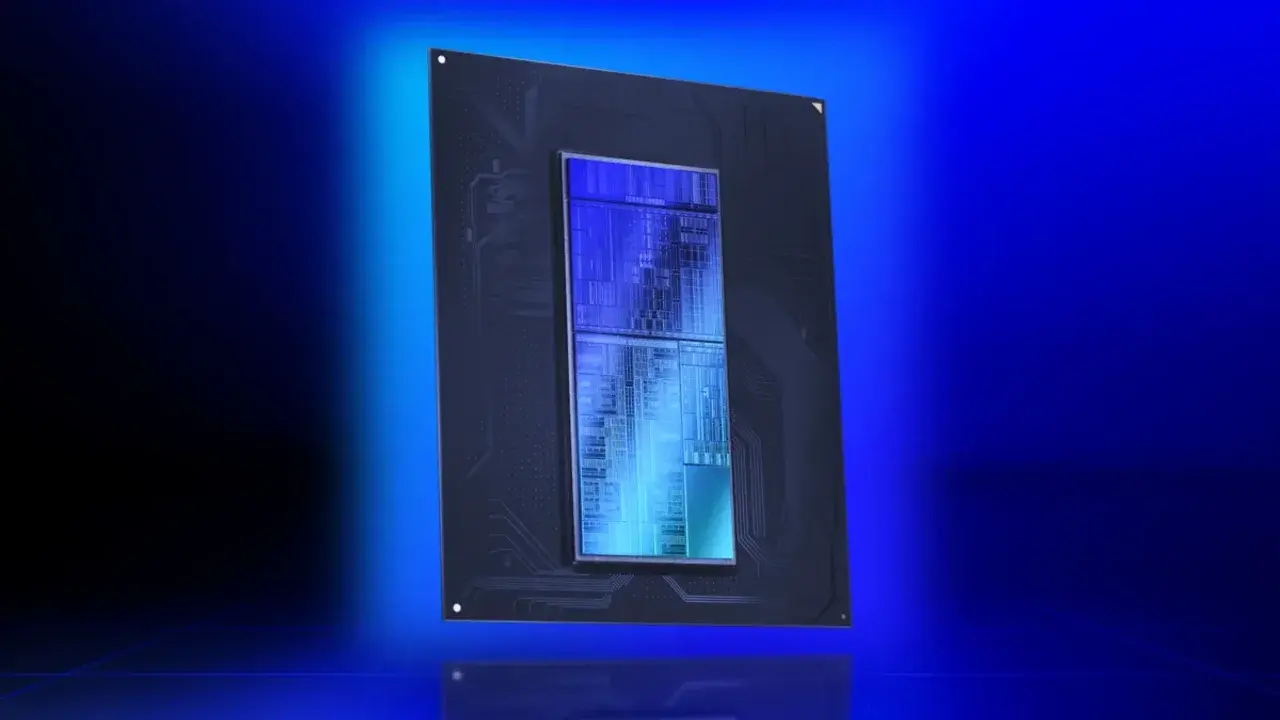
Intel is gearing up for a significant technological leap with the upcoming Nova Lake-S desktop processor lineup, which is expected to debut as the Core Ultra 400 series. Recent leaks indicate that Intel is expanding this family by adding two new 22-core Core Ultra 5 processors specifically designed to compete with AMD’s X3D series. These chips will integrate the innovative bLLC (big Level Cache) technology, aiming to provide substantial improvements in gaming performance. The release is currently anticipated to coincide with the CES 2027 event, marking a major strategic shift for Intel’s mid-range desktop processor segment.
- The new Intel Nova Lake-S Core Ultra 5 processors utilize a 22-core architecture comprising 6 P-cores, 12 E-cores, and 4 LP-E cores.
- The integration of bLLC technology offers up to 144MB of cache to enhance overall gaming performance.
- Intel plans to release both a 125W unlocked model and a 65W locked model for the Core Ultra 5 series.
- The Nova Lake architecture incorporates the new Coyote Cove performance cores and Arctic Wolf efficiency cores.
New Processors Utilize Advanced Architecture
The technical specifications of these newly leaked Nova Lake-S processors reveal a sophisticated design optimized for modern computing demands. By packing 22 cores onto a single die, Intel aims to balance power efficiency with raw performance. The inclusion of the Coyote Cove architecture for performance cores and Arctic Wolf for efficiency cores suggests a major architectural overhaul compared to previous generations. 
These processors are engineered to bridge the performance gap in the mid-range market through advanced cache management.
The implementation of bLLC technology is perhaps the most significant update for enthusiasts. While initial reports suggested that this high-capacity cache would be reserved for high-end, unlocked K-series chips, the latest information confirms that the Core Ultra 5 segment will also benefit from this development. This move signals Intel’s intention to provide competitive gaming hardware across a wider range of price points.
Higher Tier Models May Feature Increased Cache
While the mid-range Core Ultra 5 models are limited to 144MB of bLLC, industry analysts suggest that the more powerful, high-end Nova Lake-S variants could push these boundaries even further. By utilizing a dual-die configuration, top-tier processors in the lineup are expected to reach up to 288MB of cache. Such hardware is likely intended for extreme performance users who require maximum throughput for demanding gaming and creative workloads.
Intel is effectively positioning its next-generation processors to challenge AMD’s current dominance in the gaming cache segment.
Market Launch Expectations Remain Fluid
Despite the excitement surrounding the upcoming series, the release schedule remains subject to change. Factors such as potential component shortages within the semiconductor industry could influence Intel’s manufacturing and distribution timelines. Nevertheless, the company is targeting a CES 2027 launch to showcase these innovations to a global audience. Whether these processors can meet the high expectations of the gaming community will depend heavily on the final optimization of the bLLC technology and its real-world performance metrics.
We are eager to hear your thoughts on Intel’s decision to bring advanced bLLC technology to the Core Ultra 5 lineup; do you think this will be enough to shift the competitive balance in the gaming market?
Your comment has been submitted,
it will be published after approval.