
Hyundai Executive Declares 100 kWh Battery Limit Is Sufficient

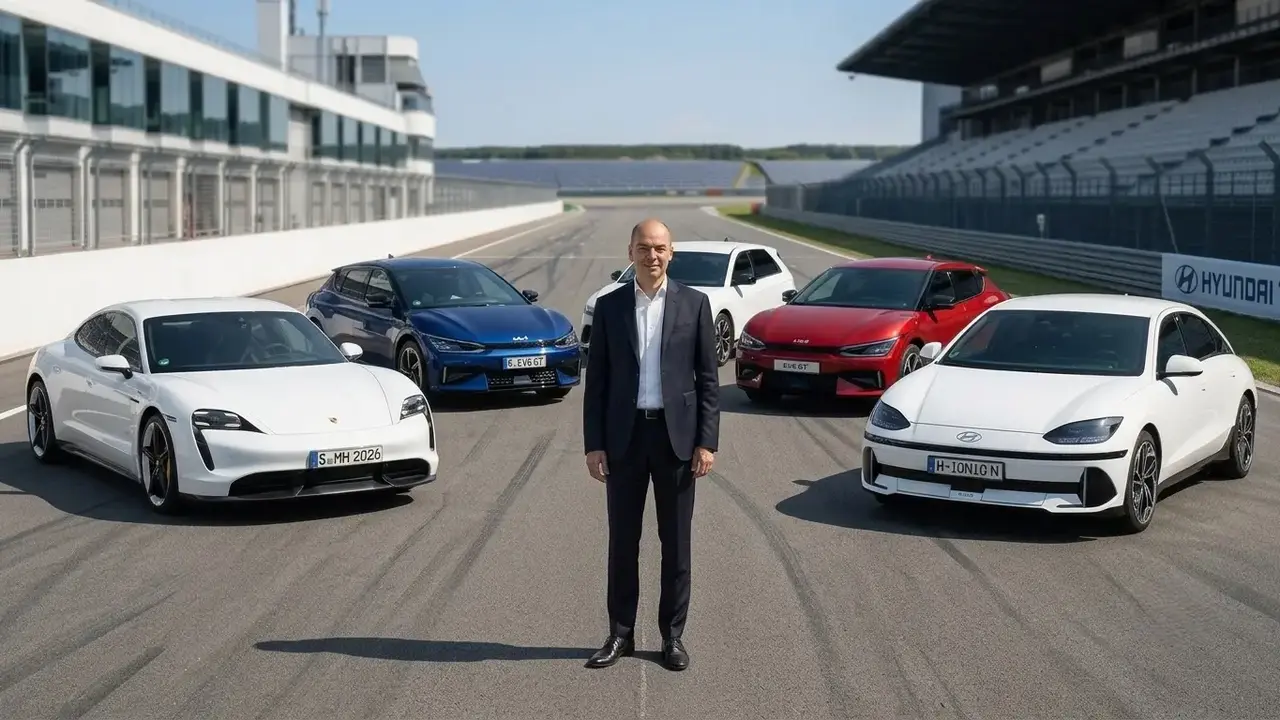
Manfred Harrer, the technical chief at Hyundai Motor Group, has officially challenged the automotive industry’s trend of installing increasingly massive battery packs in electric vehicles. During a recent industry discussion, the former Porsche engineer argued that the current race to boost range through larger battery capacities has become counterproductive. Harrer stated that a 100 kWh battery is more than enough for passenger vehicles, emphasizing that true innovation should focus on engineering efficiency rather than raw size. This bold stance highlights a shift in strategy for the South Korean manufacturer as it seeks to address the growing costs and vehicle weight issues associated with modern battery technology.
- Manfred Harrer advocates for a 100 kWh capacity limit to optimize vehicle efficiency and cost.
- Hyundai prioritizes advanced 800-volt charging infrastructure over massive, heavy battery packs.
- The company continues to integrate LFP battery technology into its upcoming compact models like the Ioniq 3.
Harrer noted that the industry should have begun limiting battery dimensions five years ago to avoid the current cycle of inflated production costs. By pushing for larger cells, manufacturers are inadvertently making vehicles heavier and more expensive, which contradicts the core promise of electric mobility: sustainability and accessibility. The executive pointed to recent market trends, including competitors releasing models with over 140 kWh capacities, as evidence of a misguided approach to solving range anxiety. 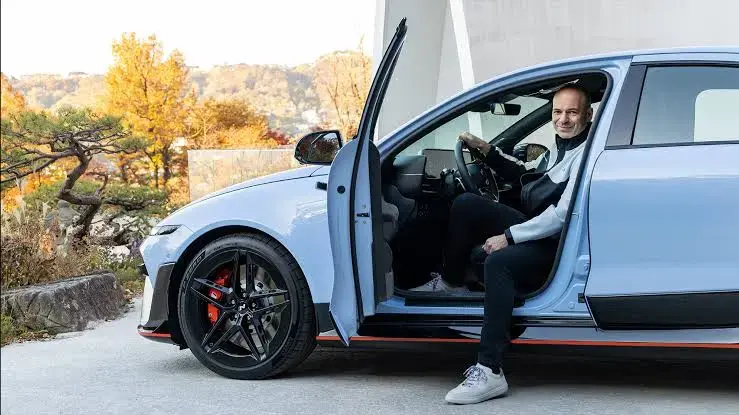
Engineering Efficiency Defines the Future of Vehicles
For Hyundai, the path forward involves refining the vehicle as a whole rather than simply adding more cells. Harrer believes that the focus must remain on aerodynamic design and energy management. By optimizing how a car consumes energy, manufacturers can achieve superior range without the dead weight of an oversized battery. This engineering-first philosophy aims to keep electric vehicles affordable for the mass market while maintaining high performance standards.
Excessive battery capacity shadows the true purpose of electric vehicle efficiency.
800-Volt Technology Will Reach Compact Models
While industry peers chase larger capacities, Hyundai is doubling down on its 800-volt charging architecture. This technology, which allows for ultra-fast charging times, is currently a hallmark of the company’s premium offerings. Harrer confirmed that his engineering team is working tirelessly to scale this architecture down to smaller, more budget-friendly segments. 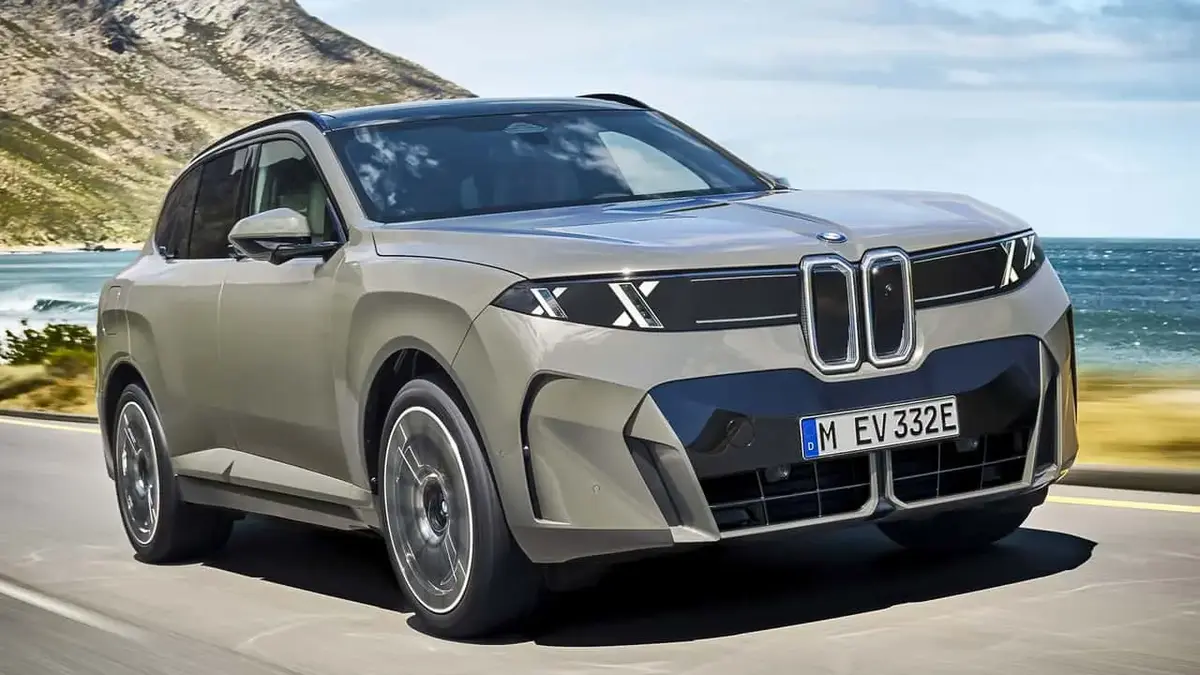
This initiative is clearly visible in the development of models such as the Hyundai Ioniq 3 and Kia EV2. These vehicles are expected to utilize LFP battery technology to balance performance and affordability. Despite the transition to smaller segments, the company remains committed to maintaining driver-focused features, including regenerative braking controls and the high-performance dynamics pioneered by the Ioniq 5 N and the upcoming Ioniq 6 N.
Hyundai is successfully bringing high-voltage charging standards to the compact car segment.
Do you believe that 100 kWh should be the maximum capacity for electric cars, or do you prefer the peace of mind that comes with a larger range regardless of vehicle weight? Share your thoughts in the comments below.
Your comment has been submitted,
it will be published after approval.