
The Future of Electric Vehicle Battery Recycling and Repurposing

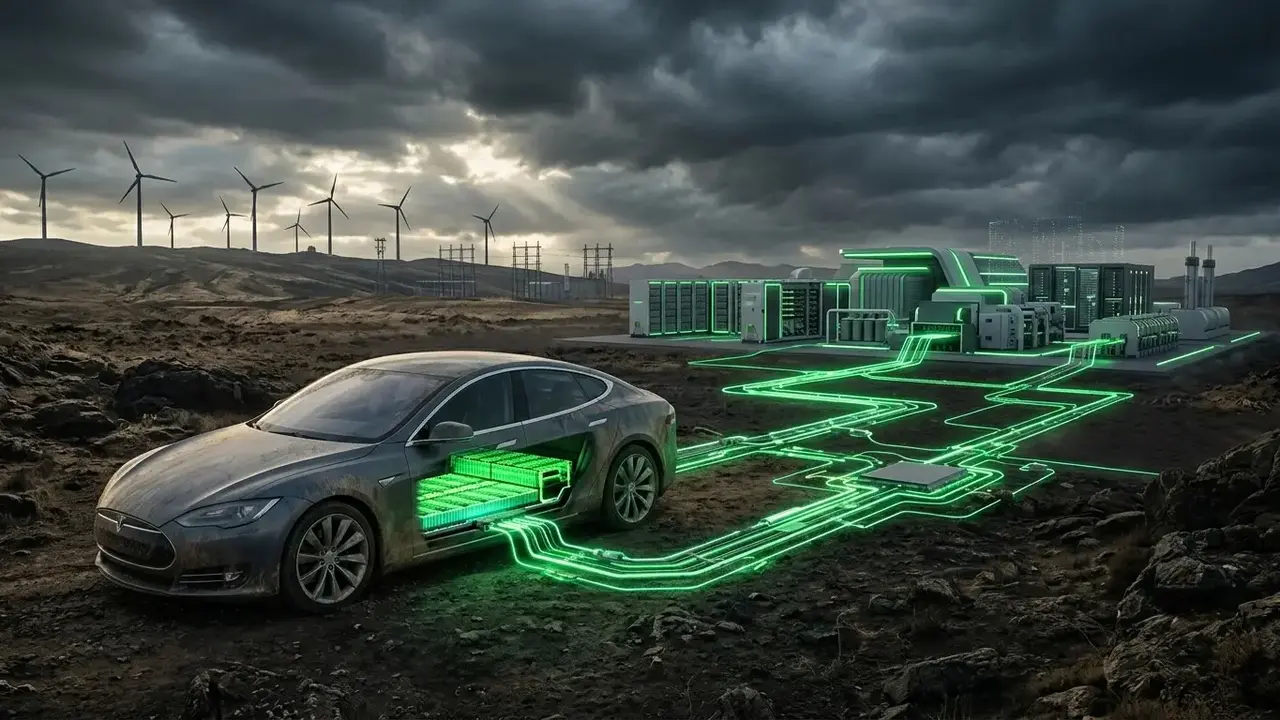
As global electric vehicle (EV) adoption accelerates, the automotive industry faces a looming challenge: managing millions of batteries reaching their end-of-life stage. According to the International Energy Agency (IEA), approximately 120 GWh of battery capacity will be retired from vehicles by 2030, necessitating robust electric vehicle battery recycling and repurposing strategies. While Canada’s new Megafactory 1, operated by Moment Energy, showcases how retired batteries can be converted into stationary energy storage systems, nations worldwide are scrambling to establish circular economy models. This transition represents a critical shift toward sustainable waste management and resource recovery in the rapidly evolving automotive sector.
- The IEA predicts that 120 GWh of EV battery capacity will be decommissioned globally by 2030.
- Canada’s Megafactory 1 demonstrates the industrial viability of repurposing automotive batteries for stationary energy storage.
- The European Union has implemented strict regulations and digital battery passports to ensure lifecycle accountability.
- Turkey has established a 33 GW battery storage project pipeline to support its growing energy infrastructure.
Repurposing batteries for stationary energy storage significantly reduces the environmental burden of raw material mining.
Why Second-Life Applications Outperform Immediate Recycling
The waste hierarchy principle suggests that repurposing a product is more carbon-efficient than breaking it down into raw materials. Batteries that no longer meet the range requirements for electric vehicles often retain 70-80% capacity, making them ideal for hospitals, data centers, and industrial power storage.  By extending the lifecycle of these units, companies can delay the need for intensive mining of lithium, nickel, and cobalt. Canada’s approach, which integrates sophisticated Battery Management Systems (BMS), effectively shifts the industry from a linear “cradle-to-grave” model to a more sustainable “cradle-to-cradle” ecosystem.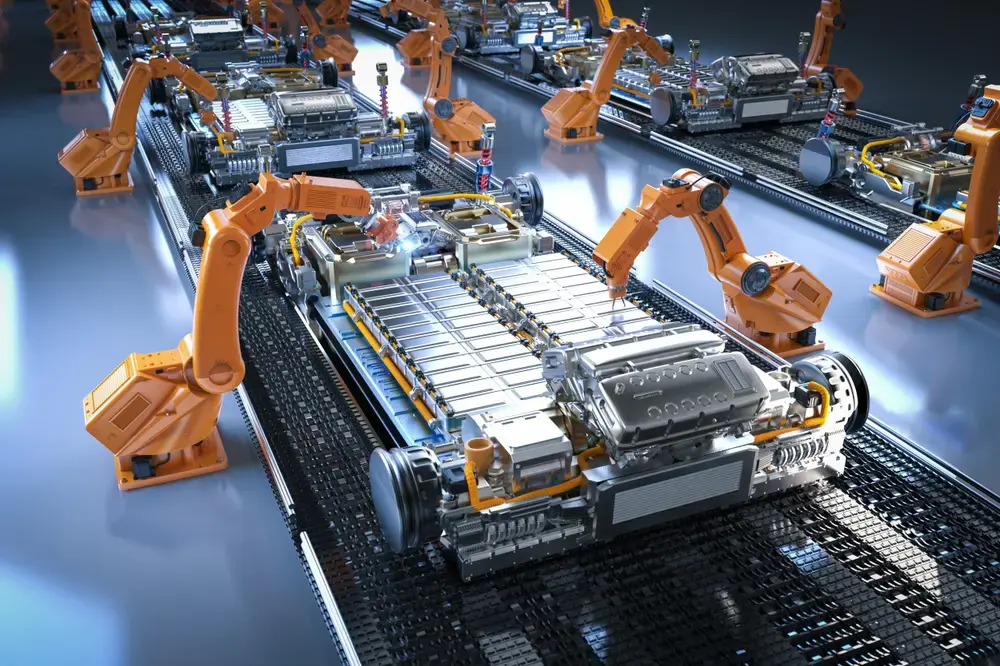
European Regulations Mandate Strict Battery Lifecycle Standards
The European Union leads global efforts with comprehensive legislative frameworks, such as the New Battery Regulation, which holds manufacturers accountable for the entire lifecycle of their products. 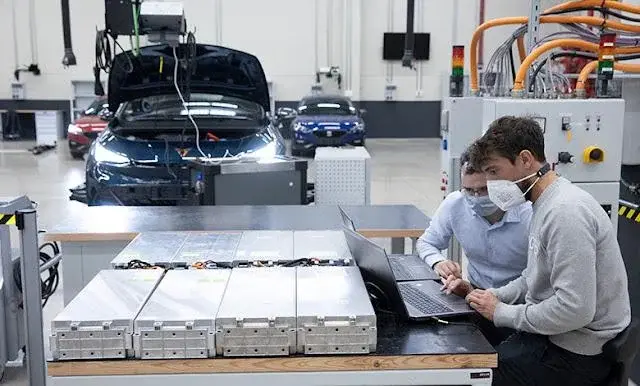 Major chemical firms like BASF are investing in hydrometallurgical processes to recover critical minerals with over 90% efficiency. Furthermore, the mandatory digital battery passport system tracks the carbon footprint and material composition of every unit, ensuring that old batteries are treated as strategic mineral reserves rather than mere waste.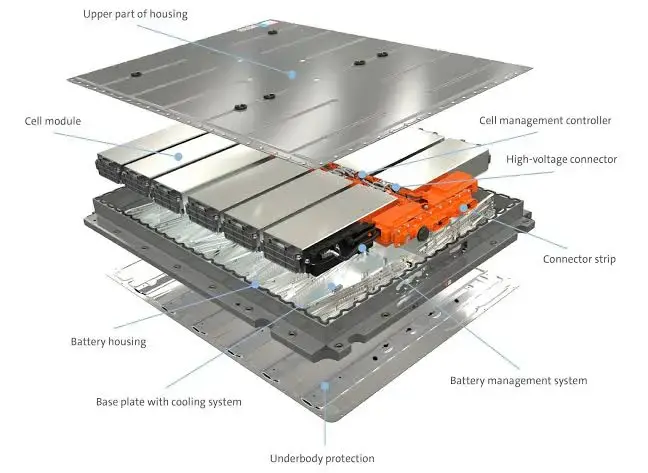
Turkey Develops Extensive Battery Storage and Recycling Infrastructure
Turkey is simultaneously building its EV battery ecosystem, focusing on both domestic production and sustainable end-of-life management. 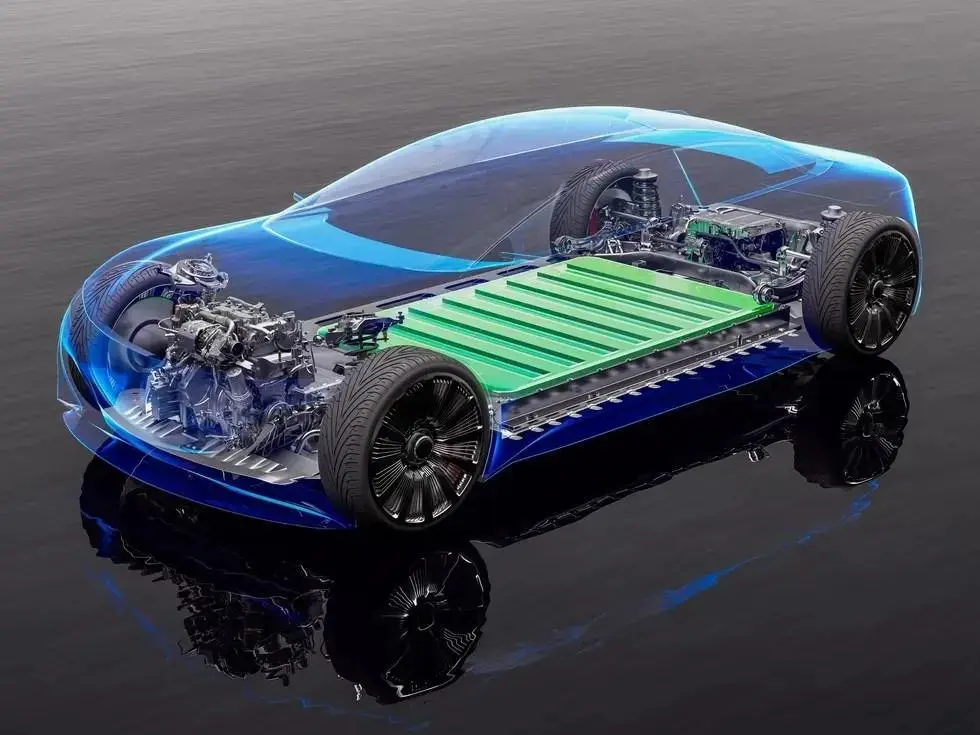 The nation utilizes two primary strategies: repurposing batteries for auxiliary grid support and industrial power, and investing in integrated facilities that extract valuable elements from fully depleted cells. These initiatives align with the country’s broader goal of achieving a carbon-neutral industrial footprint.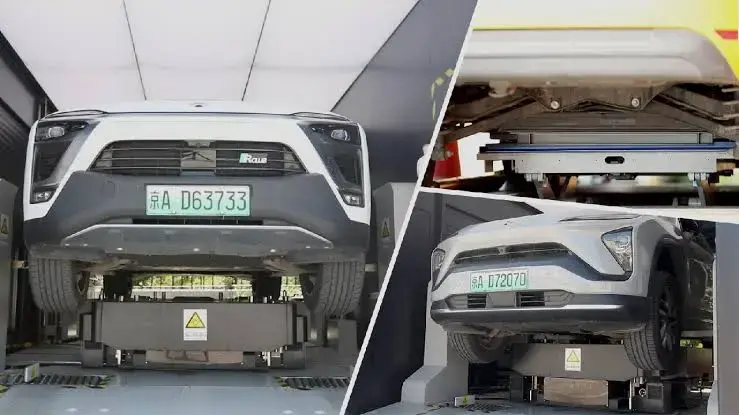
Turkey maintains a 33 GW battery storage project pipeline that serves as a massive potential market for second-life batteries.
Future Engineering Strategies Address Energy Security Needs
The global competition for battery dominance is increasingly won through agile system management rather than just raw chemical processing. Turkey’s significant project pipeline provides a massive, ready-made market for integrating retired batteries into the national grid. 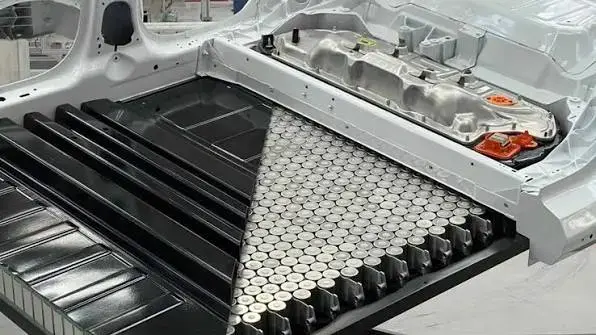 By designing advanced BMS technologies, engineers can transform automotive waste into a vital safety net for energy infrastructure, ultimately reducing reliance on foreign raw materials and strengthening energy independence. This shift marks a major milestone in the evolution of industrial ecology and long-term sustainability.
We would love to hear your thoughts on the future of energy storage; do you believe that repurposing old electric vehicle batteries is the most effective way to address the upcoming waste crisis? Share your opinions in the comments section below.
Your comment has been submitted,
it will be published after approval.