
Kioxia Market Value Soars as 10th Gen Memory Shipments Begin

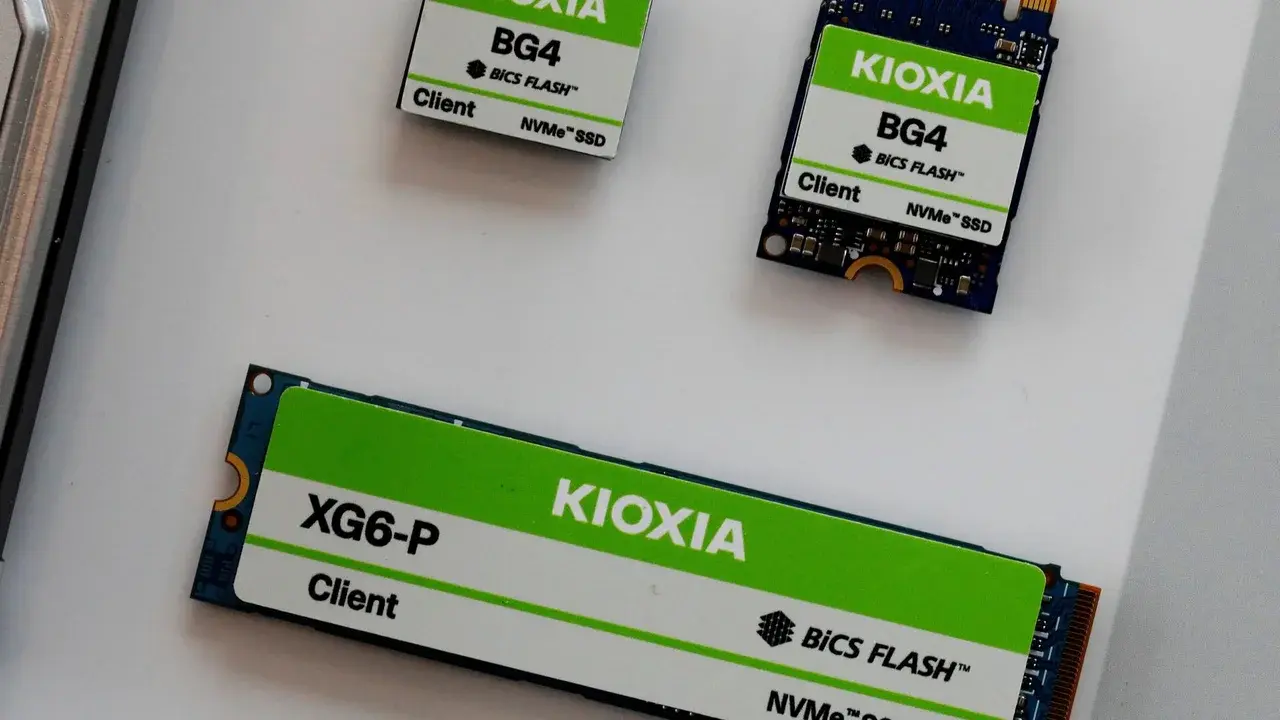
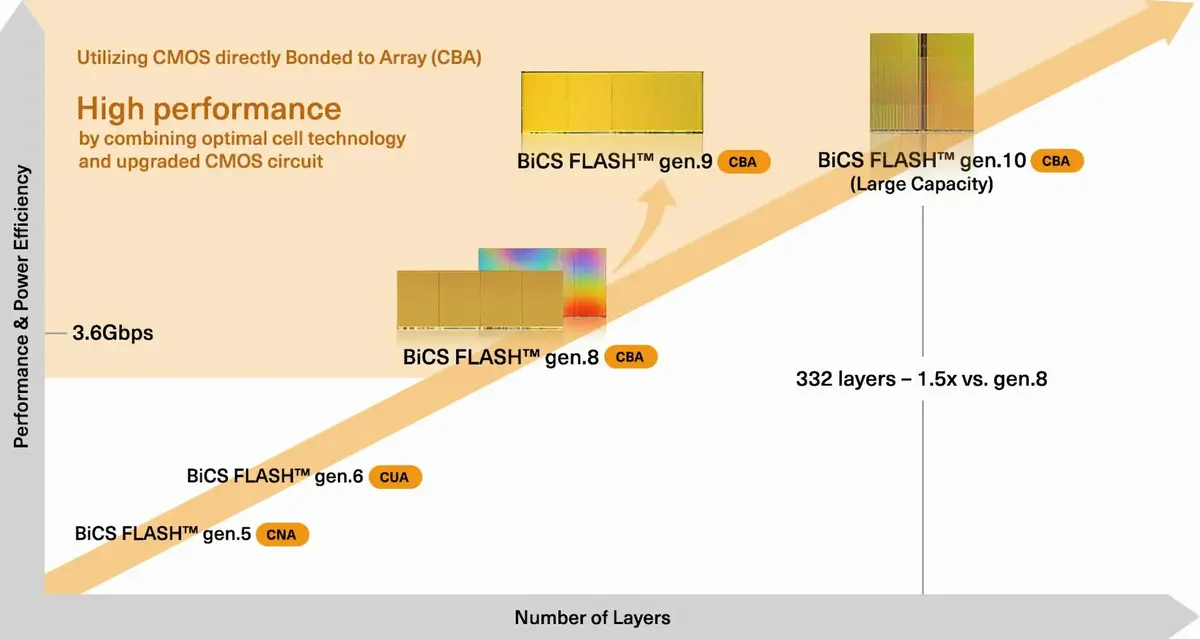
Japanese semiconductor powerhouse Kioxia has officially commenced sample shipments of its advanced 10th-generation BiCS Flash NAND memory, a strategic move designed to satisfy the surging global demand for artificial intelligence hardware. Produced at the company’s cutting-edge Kitakami facility in Iwate, Japan, these next-generation storage solutions were developed in collaboration with SanDisk. This milestone underscores Kioxia’s remarkable recovery and growth within the memory sector, as the firm’s market valuation has surged past $250 billion, successfully eclipsing the market cap of Toyota. This rapid ascent reflects the company’s newfound dominance in the global semiconductor industry as it capitalizes on the infrastructure needs of the AI revolution.
- Kioxia has initiated shipments of its 10th-generation BiCS Flash NAND memory to support growing AI infrastructure needs.
- The company’s market valuation has exceeded $250 billion following a seven-fold increase in share prices this year.
- Industry analysts attribute Kioxia’s competitive edge to its proprietary wafer bonding technology.
- The firm targets an entry into the United States stock market by the early stages of the 2027 fiscal year.
AI Market Demands Drive New Storage Innovation
The landscape of the artificial intelligence sector is currently undergoing a significant transition. While initial investments were heavily focused on DRAM and High Bandwidth Memory (HBM) for training large language models, the focus has now shifted toward inference, where models respond to user queries in real-time. This phase requires massive storage capacities, fueling a demand for high-performance NAND flash memory that many manufacturers are struggling to meet.
Kioxia’s ability to scale production while competitors remain constrained by previous over-investments in DRAM has positioned the company as a leader in the current market cycle.
CEO Hiroo Ota confirmed that the company is actively expanding production capacity at its Fab2 plant to address the supply-demand imbalance. According to Kazuyoshi Saito, an analyst at IwaiCosmo Securities, Kioxia’s implementation of advanced wafer bonding technology provides a distinct advantage. This innovation reportedly places the company two to four years ahead of its rivals regarding both power efficiency and overall NAND performance.
Global Expansion and Market Listing Plans Emerge
As part of a broader corporate strategy, Kioxia is evaluating a potential stock split to increase the accessibility of its shares to a wider base of investors. The company has formally announced its intention to pursue a public listing on a major United States stock exchange, with the target window set for the beginning of the fiscal year starting in April 2027.
The firm is following a similar path to South Korea’s SK Hynix, which is also preparing for a significant U.S. public offering aimed at raising approximately $29.4 billion to bolster its capital resources.
As Kioxia continues to leverage its technical superiority to secure long-term supply contracts, the semiconductor landscape appears set for a major power shift. With the company’s valuation reaching historic highs, the industry is watching closely to see how effectively these new memory solutions will scale within the data centers of the future.
We are interested in hearing your perspective on whether Kioxia’s aggressive expansion and technological lead will allow it to maintain this dominant market position against global competitors. Please share your thoughts in the comments section below.
Your comment has been submitted,
it will be published after approval.