
Intel Implements New Price Strategy for Select Processors

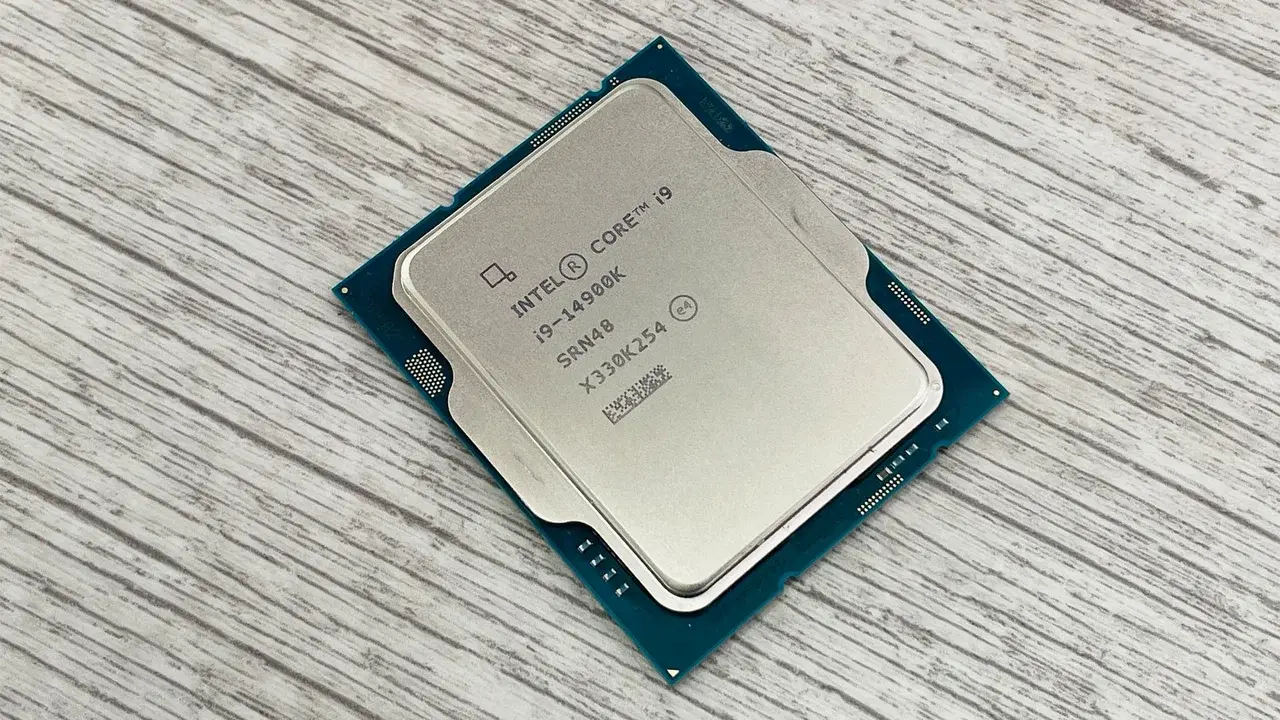
Intel announced a strategic shift in its pricing model on July 6, citing rising supply chain costs and evolving global market conditions as the primary drivers for the adjustment. This Intel price strategy specifically targets a selection of high-end consumer and server-grade processors, rather than a broad-based increase across the entire product portfolio. By focusing on premium segments, the semiconductor giant aims to stabilize its margins while managing the delicate balance between production costs and current consumer demand. Industry analysts note that this decision reflects broader inflationary pressures currently affecting the global technology sector.
- Intel introduced price increases ranging from 7% to 12% for various Xeon server processor models.
- Certain Core Ultra 200-series ‘Plus’ models now carry an additional cost of $30 to $50 per unit.
- The company increased production volumes for 10th through 14th generation Core processors to meet renewed demand for older platforms.
Server and Desktop Processors Face Price Increases
The most significant impact of this policy is observed in the enterprise sector. High-end Xeon processors are seeing the most substantial price hikes, with some premium models experiencing increases that translate into thousands of dollars per unit. Conversely, entry-level server chips remain largely unaffected, allowing smaller-scale operations to maintain their current budget projections without immediate disruption.
Premium enterprise-grade hardware bears the brunt of the recent Intel pricing adjustments.
For desktop users, the situation is more contained. Specific models within the Core Ultra 200-series, notably the Core Ultra 7 270K Plus and the Core Ultra 5 250K Plus, have seen price increases between $30 and $50. While these Arrow Lake-based units were initially marketed as cost-effective performance solutions, rising component costs have necessitated this upward shift. 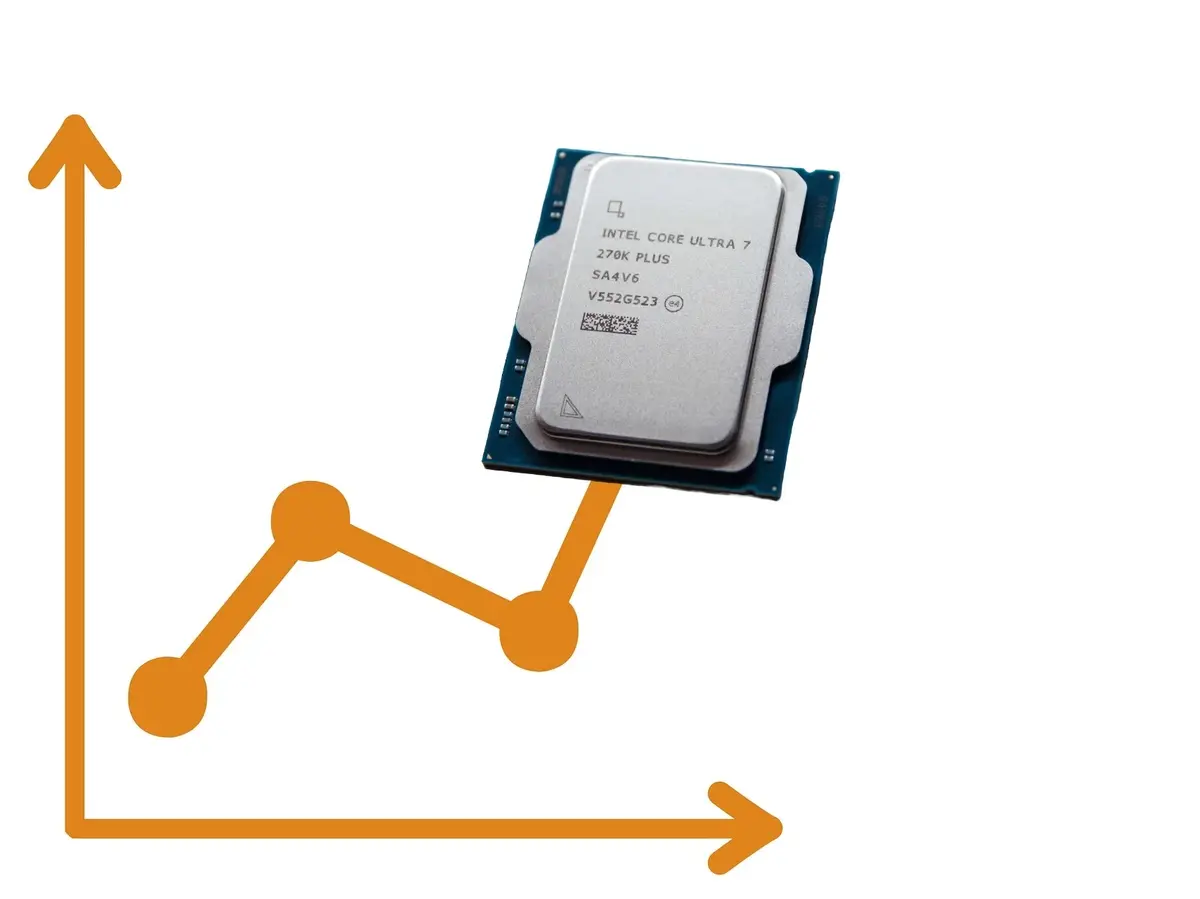
Global Market Conditions Influence Manufacturing Strategies
Intel’s decision occurs against a backdrop of increasing costs for essential memory components, such as DRAM and NAND Flash. These financial pressures have prompted a shift in consumer behavior, with many users opting for older DDR4-compatible platforms to mitigate overall system building costs. In response, Intel has ramped up the production of its 10th through 14th-generation processors to satisfy this specific market segment.
Market volatility continues to pressure traditional semiconductor supply chains globally.
The company is carefully navigating the competitive landscape, aiming to retain its market share against rivals like AMD while protecting its bottom line. By maintaining transparency regarding these price adjustments, Intel seeks to provide clarity for both tech enthusiasts and enterprise procurement teams during a period of economic uncertainty. The current strategy highlights the ongoing challenges that raw material costs and complex global supply chains pose to hardware manufacturers. As the industry grapples with these fluctuations, stakeholders are closely monitoring how these price shifts will influence long-term adoption rates for newer Intel architectures.
We are interested in hearing your perspective on these recent developments; how do you believe these price changes will impact your future hardware upgrade plans?
Your comment has been submitted,
it will be published after approval.