
Leaked Documents Reveal Significant iPhone 18 Pro Thickness Increase

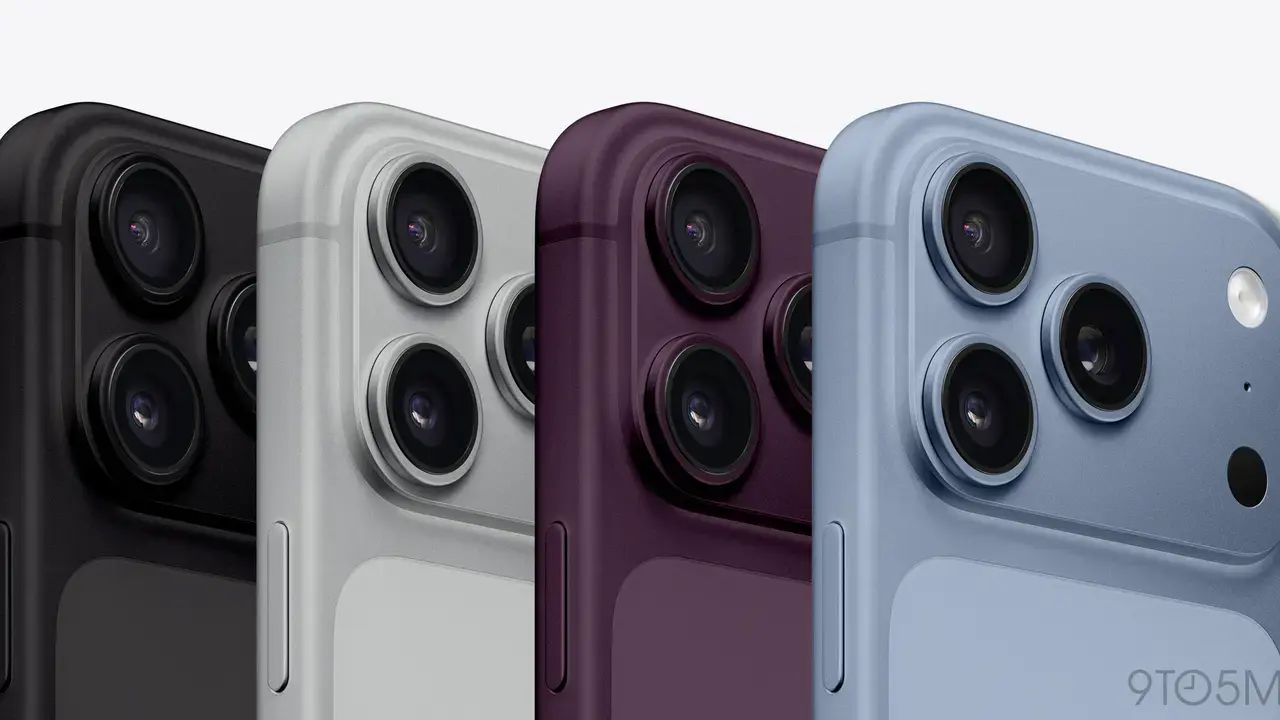
Recent reports surfacing from Weibo, specifically from the leak source Fixed Focus Digital, suggest that Apple is preparing a significant structural redesign for the upcoming iPhone 18 Pro series. Drawing information from internal documents allegedly obtained through a recent security breach at Apple supplier Tata, the leaks indicate that the new flagship devices will be approximately 2 millimeters thicker than their predecessors. This substantial change in the physical dimensions of the iPhone 18 Pro is attributed to Apple’s transition toward advanced camera hardware, signaling a strategic shift that prioritizes imaging capabilities over the pursuit of an ultra-thin form factor.
- The iPhone 18 Pro series will feature a body and camera module thickness increase of approximately 2 millimeters.
- Confidential design documents were compromised during a reported ransomware attack on Apple supplier Tata.
- The integration of sophisticated variable aperture camera technology necessitates a larger internal chassis.
- Apple plans to retain the aluminum alloy frame structure for the upcoming generation of smartphones.
Design Modifications Signal a New Era for Apple
The tech industry was recently shaken by a massive data breach involving Apple’s supply chain partner, Tata. Among the thousands of exposed files are detailed component schematics and internal drop-test footage related to the iPhone 18 Pro. Experts who have analyzed these materials point to a noticeable enlargement surrounding the device’s camera module.
This 2-millimeter increase in thickness confirms that Apple is undergoing a fundamental shift in its device design philosophy.
This physical expansion appears to be more than just a minor aesthetic adjustment. Instead, it suggests a comprehensive internal reorganization to accommodate new hardware components that were previously incompatible with the standard “slab” form factor of the current iPhone lineup.
Advanced Camera Technology Drives Physical Growth
The source Fixed Focus Digital has described these dimensional changes as an inevitable outcome of the company’s hardware roadmap. For several quarters, industry analysts have debated how Apple could possibly integrate complex features like variable aperture technology into a device without significantly altering its footprint. It now appears that the manufacturer has opted to increase the overall depth of the chassis rather than sacrifice optical performance.

According to the leaked documentation, the aluminum alloy structure is being reinforced to support the weight and volume of the new, more capable camera system. While the industry often pushes for thinner devices, it is clear that engineering constraints are currently steering the development of the iPhone 18 Pro in the opposite direction. Furthermore, the documents confirm that these dimensions apply to both the body of the device and the protrusion of the rear camera array.
Apple is choosing to compromise on device thinness to achieve superior performance and industry-leading camera quality.
Users Assess the Impact of a Thicker Design
The prospect of a thicker smartphone has already triggered widespread discussion regarding ergonomics and daily usability. Concerns regarding the device’s weight distribution and comfort during long-term use are becoming a primary focus for prospective buyers. Whether this extra space will also lead to a larger battery capacity or if it is reserved solely for optics remains to be seen in the coming months.
Do you believe that a 2-millimeter increase in thickness is a fair trade-off for improved camera performance in the next generation of iPhones? Share your thoughts on this design shift and your expectations for the new model in the comments section below.
Your comment has been submitted,
it will be published after approval.