
Apple A20 Pro Ditches LPDDR6 for Enhanced Bandwidth Architecture

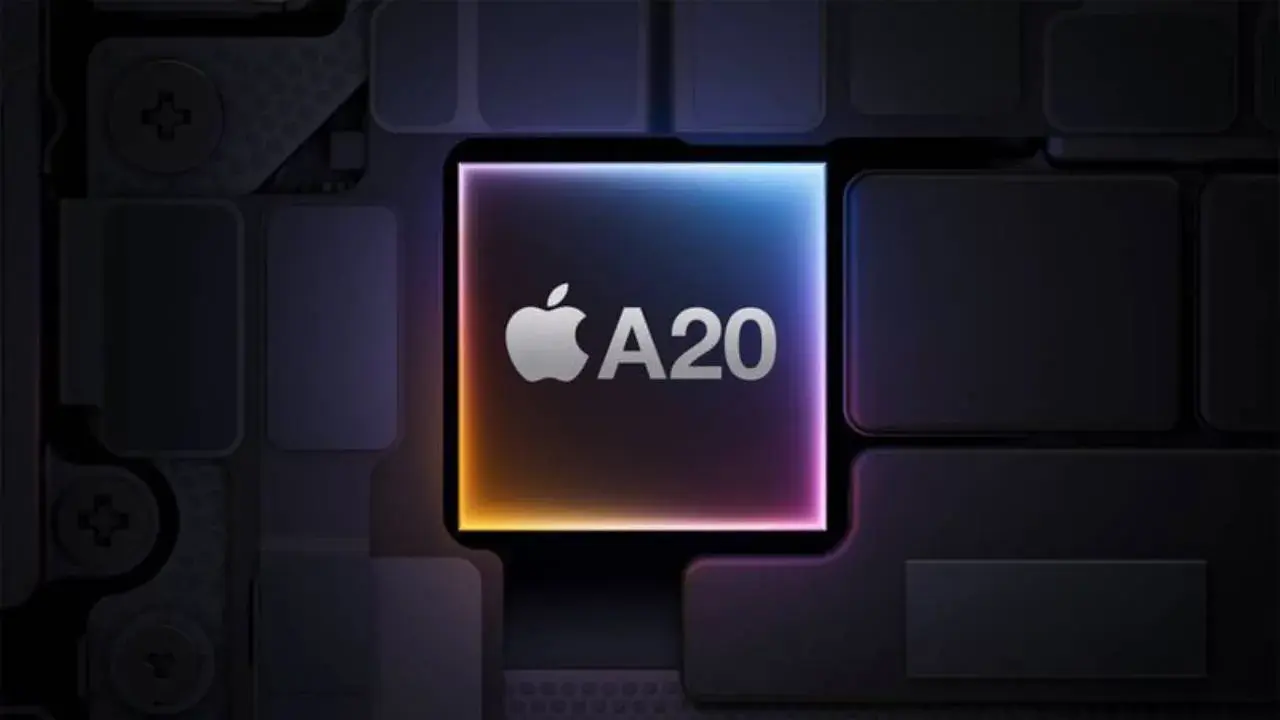
Apple has officially opted to bypass LPDDR6 memory support for its upcoming A20 Pro chip, which is expected to power the iPhone 18 series. Despite industry expectations for a shift to the latest memory standard, the Cupertino-based tech giant has decided to maintain a focus on optimizing existing technologies. Designed on a sophisticated 2nm process, the A20 Pro processor aims to overcome potential performance bottlenecks by utilizing an advanced six-channel memory architecture and a 96-bit bus width. This strategic engineering decision is specifically intended to accelerate data transmission speeds and handle demanding on-device artificial intelligence workloads more efficiently than previous chip generations.
- Apple utilizes a six-channel LPDDR5X RAM architecture instead of the expected LPDDR6 memory standard.
- The new 96-bit bus width significantly enhances memory bandwidth for intensive artificial intelligence operations.
- The transition to WMCM packaging improves overall system stability and thermal management for the A20 Pro.
Six-Channel Architecture Boosts Overall Performance
Apple is well known for its calculated and occasionally conservative approach to hardware adoption. With the A20 Pro, the company is prioritizing proven, stable technology that can be heavily customized to meet the rigorous demands of modern AI tasks. Unlike traditional 4-channel designs that rely on a 64-bit bus width, the new six-channel configuration drastically streamlines the flow of data.
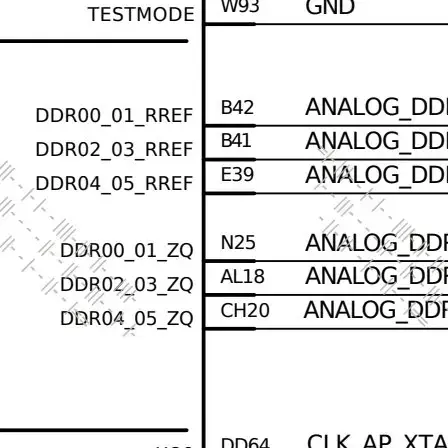
This hardware revision ensures that the processor can handle massive, complex datasets without encountering the delays typical of smaller bus widths. By increasing the bus width to 96-bit, Apple effectively solves the performance bottlenecks that often hinder mobile AI performance. This approach proves that raw memory speed is not the only factor in achieving high-end computing performance.
WMCM Packaging Technology Optimizes Thermal Management
The sheer volume of data required for modern AI models has forced Apple to rethink its traditional chip packaging strategies. Moving away from the long-standing inFO-PoP technology, the company has transitioned to a Wafer-Level Multi-Chip Module (WMCM) method for the A20 Pro.
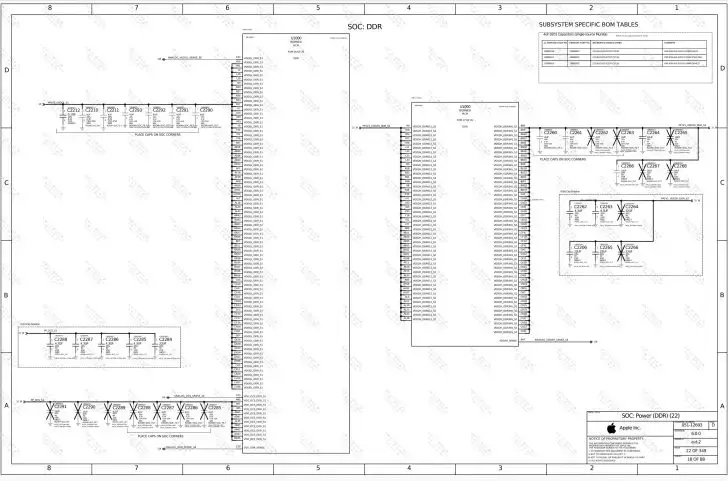
This strategic move allows the hardware to manage high data traffic while simultaneously improving the overall stability of the system. By separating the DRAM units from the primary A20 Pro silicon, Apple has significantly improved the chip’s ability to dissipate heat.
Separated DRAM design enhances both the thermal efficiency and sustained performance of the device.
Better heat management means the processor can maintain peak performance for longer durations without thermal throttling. This is a crucial advantage for users who rely heavily on on-device AI tools, which are known to be resource-intensive and generate significant heat during sustained usage.
Traditional Standards Provide a Reliable Foundation
Apple’s strategy for its next-generation chips centers on maximizing the efficiency of current technologies rather than rushing to adopt unproven standards. In an era where LPDDR6 is still maturing and often fails to meet the ideal cost-to-performance ratio, a refined 96-bit LPDDR5X solution serves as a highly logical middle ground.
Through deep hardware-software integration, Apple continues to push the boundaries of what is possible with existing architecture. The A20 Pro demonstrates that expert optimization often outweighs the benefits of simply upgrading to the latest components.
Do you believe that Apple’s decision to refine existing memory technology rather than adopting LPDDR6 will give the iPhone 18 series a performance edge over its competitors? Let us know your thoughts in the comments section below.
Your comment has been submitted,
it will be published after approval.