
Apple Begins Testing RAM from Blacklisted Chinese Firm CXMT


Apple has initiated testing of DRAM chips manufactured by ChangXin Memory Technologies (CXMT), a Chinese company currently featured on a United States military blacklist. According to reports from The Financial Times, this strategic move aims to diversify Apple’s supply chain amid rising global memory costs. By qualifying these components for devices sold exclusively within the Chinese market, the technology giant is attempting to mitigate the impact of severe supply shortages and escalating hardware expenses. Meanwhile, Apple is actively engaging in high-level lobbying efforts with U.S. officials to navigate potential regulatory hurdles and ensure this controversial partnership remains viable.
- Apple is currently validating CXMT-produced DRAM chips specifically for devices intended for the Chinese consumer market.
- Global memory prices have surged by up to 60 percent due to intense demand for AI-focused server hardware.
- CXMT is listed on the U.S. Department of Defense’s 1260H list, which restricts certain commercial engagements with military-linked entities.
- The company seeks to secure a fourth major supplier to reduce its reliance on existing partners like Samsung and Micron.
The shift toward Chinese silicon signals a potential turning point in how global tech giants manage their volatile supply chains.
AI Demands Drive Memory Prices Higher
The primary motivation behind this collaboration stems from the current state of the global semiconductor market. The rapid expansion of artificial intelligence infrastructure has led to a significant redirection of manufacturing capacity. Industry leaders such as Samsung, SK Hynix, and Micron are prioritizing high-performance data center chips, which has constrained the supply of standard DRAM modules for consumer electronics. 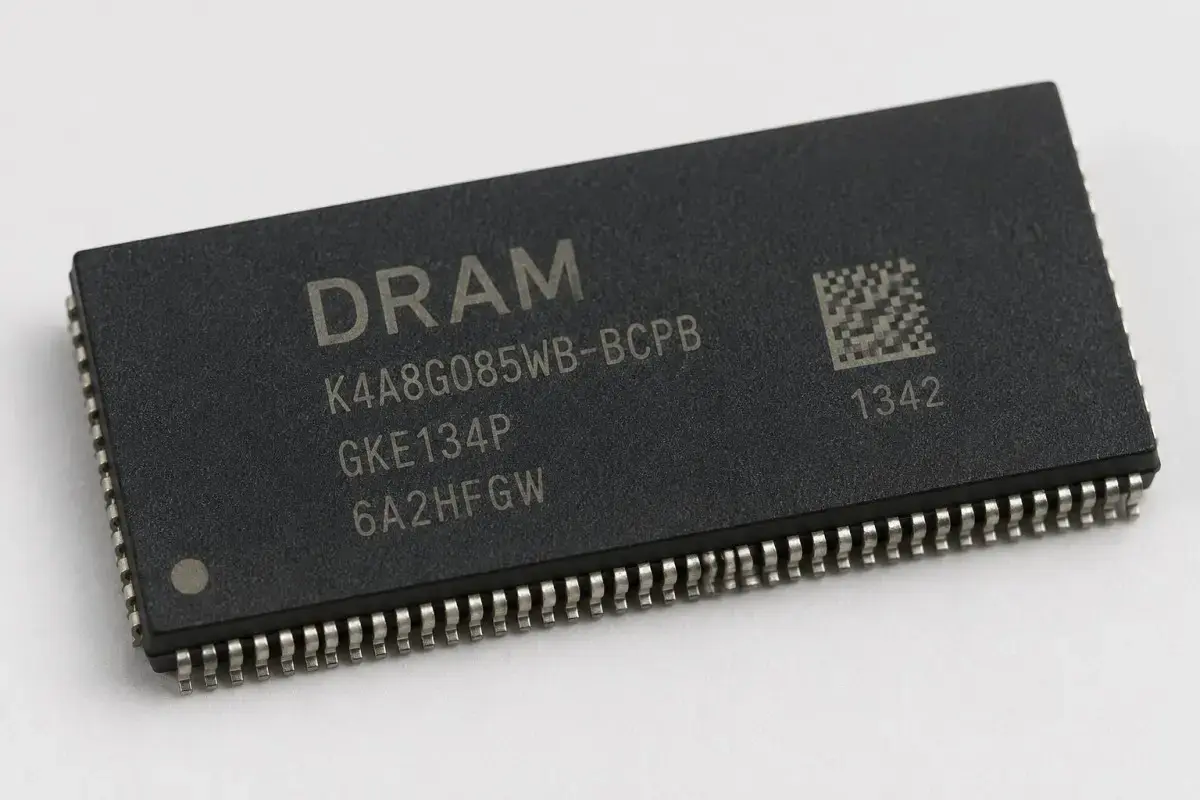
This production shift has triggered a sharp increase in contract prices for memory components. Apple has already begun reflecting these increased costs in the pricing of its latest Mac and iPad lineups. CEO Tim Cook has acknowledged that these market conditions make price adjustments difficult to avoid, while simultaneously advocating for a more flexible approach to supply chain management under existing national security regulations.
Regulatory Risks Complicate Future Partnerships
ChangXin Memory Technologies has emerged as a significant force in the memory sector, currently ranking as the world’s fourth-largest DRAM producer. However, the company faces scrutiny due to its alleged connections with the Chinese military, leading to its inclusion on the Pentagon’s 1260H list. While this designation does not explicitly prohibit all commercial transactions, it places the company in a precarious position regarding future U.S. government actions.
Apple is navigating a complex geopolitical minefield to maintain its competitive edge in the massive Chinese market.
If the U.S. government decides to move CXMT to the stricter Entity List, Apple could face significant legal and operational challenges. To prevent such an outcome, the company is reportedly holding sensitive discussions with congressional representatives to demonstrate the necessity of this supply chain addition. By integrating a domestic Chinese supplier for regional products, Apple hopes to free up global supply capacity for its devices sold in other international territories.
Strategic Localization Defines Future Production Plans
Industry analysts suggest that this strategy is a calculated risk aimed at balancing geopolitical compliance with economic efficiency. By sourcing components locally for the Chinese market, Apple effectively insulates its global supply chain from regional shortages. However, this approach has drawn criticism from some U.S. lawmakers, who fear that state-subsidized Chinese firms could eventually undercut Western competitors in the memory market, mirroring trends seen in other sectors like green energy and electric vehicles.
Whether these tests will lead to a full-scale integration of CXMT chips remains uncertain, as the decision rests upon the evolving consensus within the U.S. administration regarding technology trade with China. The final outcome of these negotiations will likely set a new precedent for how American corporations manage their dependencies on Chinese manufacturers in the face of rising hardware costs and heightened security concerns.
Do you believe it is a wise strategic move for Apple to partner with a blacklisted firm to lower production costs, or does this pose an unacceptable risk to supply chain security? Share your thoughts in the comments section below.
Your comment has been submitted,
it will be published after approval.