
Apple Translate Expands Language Support With iOS 27 Update

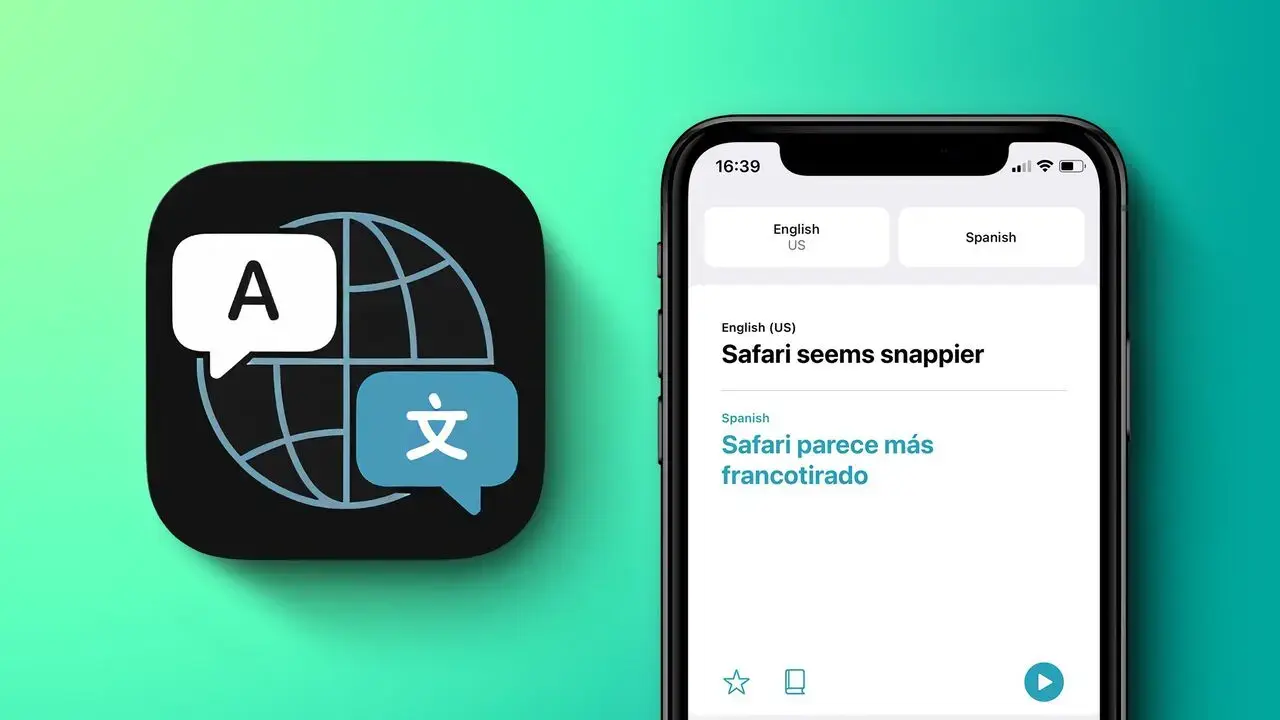
Apple is significantly enhancing its multilingual user experience with the upcoming release of iOS 27, which introduces nine new languages and regional dialects to the Apple Translate application. This update, which expands the service to a total of 30 supported languages, aims to bridge communication gaps for users worldwide. By incorporating regional variations of major languages, the company is positioning its native translation tool as a more competitive alternative to existing market solutions. This development follows Apple’s broader strategy to improve its software ecosystem’s global accessibility, as first demonstrated during the recent WWDC26 conference.
- The Apple Translate app expands its total language support to 30 options with the iOS 27 update.
- Nine new languages and regional dialects, including Danish, Hebrew, and Swedish, are integrated into the system.
- On-device processing capabilities allow for secure and offline translation functionality for all users.
Apple Translate Enhances Global Communication Capabilities
The latest iteration of Apple’s translation software directly addresses previous limitations regarding regional nuances and Nordic language support. While the application already featured major global languages like English, Turkish, and Mandarin, the inclusion of specific dialects such as Mexican Spanish and Portuguese from Portugal ensures higher linguistic accuracy. 
These improvements mark a significant step toward achieving seamless cross-cultural interaction for global device users.
The expansion is not limited to mere word-for-word translation. By focusing on regional lexical differences, the system provides a more natural and context-aware experience for speakers across different geographical areas. This update ensures that users can rely on their devices for precise communication, whether they are traveling abroad or accessing international resources.
Privacy Standards Are Maintained Through On-Device Processing
A core feature of the Apple Translate service remains its privacy-centric approach to data handling. Unlike many cloud-based competitors, the application performs translation tasks directly on the user’s hardware. This architecture ensures that sensitive information remains on the device, adhering to strict corporate privacy policies. Users can download the necessary language packs while connected to a Wi-Fi network, enabling full functionality even in offline environments or areas with poor cellular reception.
Beta Testing Prepares System for Public Release
The iOS 27 Beta 3 release currently provides developers with the opportunity to evaluate the performance of these new language models. Apple’s engineering teams are focused on optimizing the storage footprint of these language files while ensuring that the translation engine remains stable and efficient on a variety of device configurations. This testing phase is critical for refining the machine learning algorithms that power the translation accuracy before the official public launch.
The stable version is scheduled for a public rollout alongside the next generation of iPhone devices this autumn.
As the company continues to refine its software ecosystem, these updates emphasize the importance of accessibility in modern technology. With the upcoming release, Apple users can expect a more inclusive and reliable tool that effectively removes language barriers in both professional and casual settings.
We are curious to hear your thoughts on these new additions to the Apple Translate lineup; which languages or dialects do you hope to see added to the platform in the future?
Your comment has been submitted,
it will be published after approval.