
Google Tensor G7 Performance Boosts Through New RAM Technology

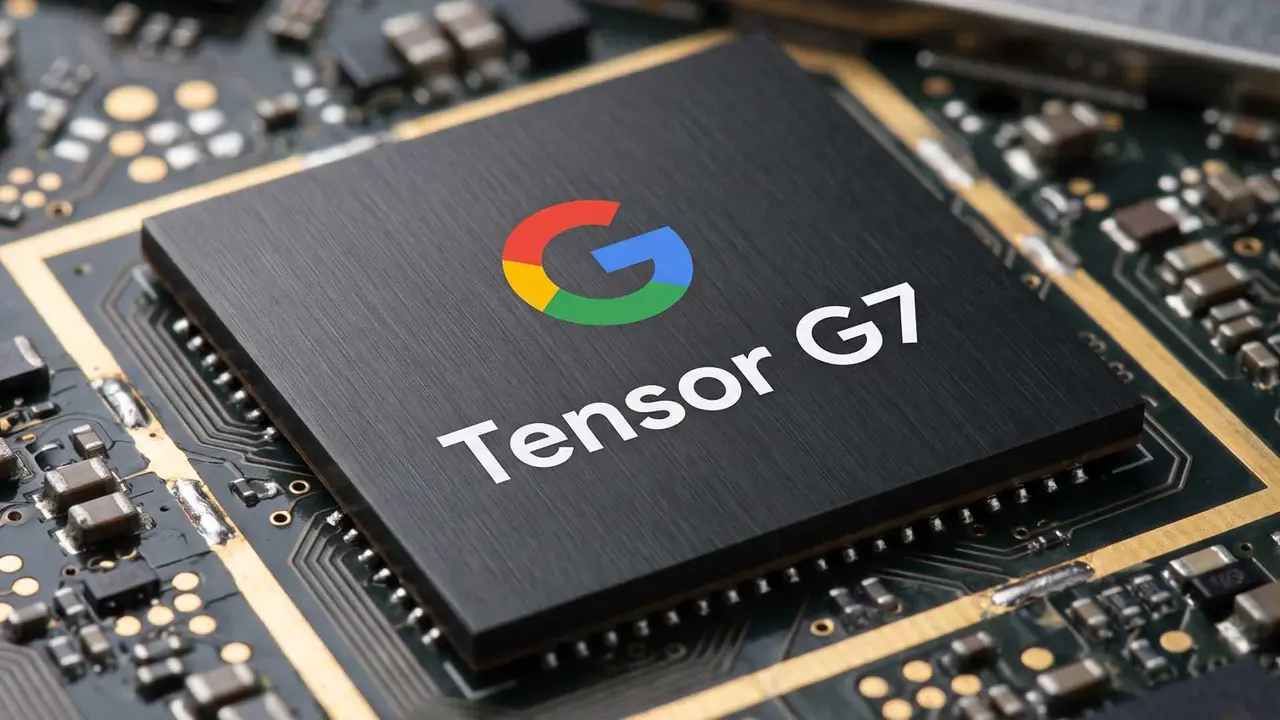
Google is currently testing its upcoming Tensor G7 processor with advanced memory configurations that could redefine the performance capabilities of the future Pixel 12 smartphone series. Reports from industry insiders indicate that the tech giant is evaluating both LPDDR5X and next-generation LPDDR6 RAM standards to integrate into its new hardware. This strategic shift aims to overcome traditional performance limitations inherent in mobile chipsets, specifically targeting an optimized experience for on-device artificial intelligence tasks. By potentially adopting the faster LPDDR6 technology, Google intends to provide the necessary bandwidth for complex machine learning models, ensuring that the Pixel 12 remains a competitive force in the rapidly evolving smartphone market.
- Google is currently testing both LPDDR5X and LPDDR6 memory options for the Tensor G7 chipset.
- The transition to LPDDR6 technology provides increased memory bandwidth for on-device artificial intelligence processing.
- High production costs may limit the integration of LPDDR6 memory to the premium Pro models of the Pixel 12 series.
LPDDR6 Memory Enhances Artificial Intelligence Capabilities
The commitment to cutting-edge AI features drives Google to reconsider its hardware selection. Moving to LPDDR6 is not merely about achieving higher clock speeds; it is about utilizing a 96-bit data bus width to eliminate significant bottlenecks in data transmission. By improving the communication speed between the processor and the system memory, Google enables large language models (LLMs) to operate with greater efficiency.
The Tensor G7 may deliver superior AI performance through increased memory speed, even if its raw processing power falls behind competitors.

Hardware Strategy Prioritizes Premium Pro Models
Current leaks suggest that Google may adopt a tiered strategy to manage costs associated with these new memory standards. Similar to how the company limited the implementation of UFS 4.0 storage to specific high-end devices, it is expected that LPDDR6 might be reserved for the Pro lineup. This segmentation allows Google to maintain competitive pricing for its base models while offering elite hardware specifications to power-user demographics.
Rising DRAM costs represent a significant challenge for the company’s financial planning. Consequently, Google might decide to limit the most advanced memory technology to its flagship devices to maintain profitability. This strategic hardware allocation reflects broader industry trends where manufacturers prioritize high-margin products for the most expensive component upgrades.
Thermal Management Requires New Packaging Technologies
As on-device AI tasks continue to push hardware to its limits, the resulting heat generation necessitates more sophisticated cooling solutions. Observers note that Google may adopt a packaging architecture similar to Apple’s Wafer-Level Multi-Chip Module (WMCM) to better manage thermals. This design ensures that the high-speed data transfer enabled by LPDDR6 does not lead to performance throttling under heavy workloads.
Google plans to optimize thermal management in the Pixel 12 series to ensure sustained high-level performance.
Do you believe that limiting advanced RAM upgrades to Pro models is a fair strategy for Google, or should all Pixel 12 users have access to the latest memory technology? Share your thoughts and predictions in the comments section below.
Your comment has been submitted,
it will be published after approval.