
Vivo and Dixon Technologies Form Strategic Smartphone Manufacturing Partnership

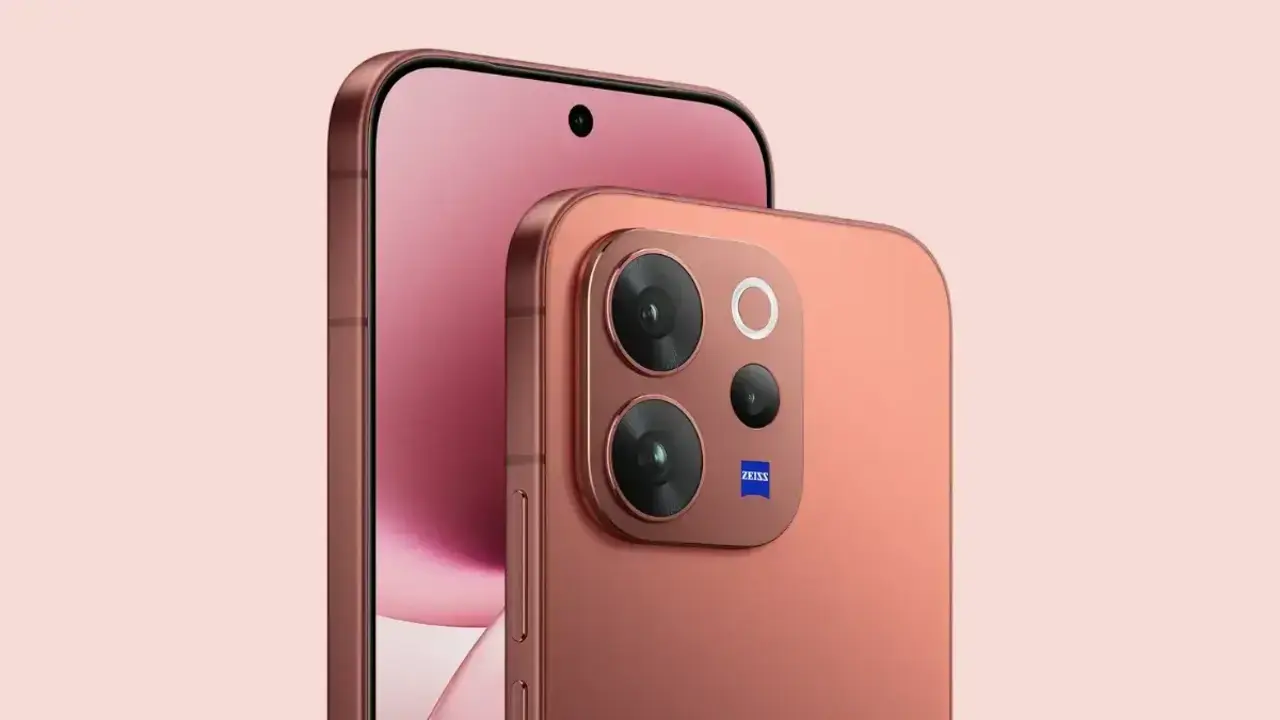
The Indian government officially approved a landmark manufacturing partnership between Chinese technology giant Vivo and local electronics manufacturer Dixon Technologies on Thursday. This strategic collaboration, which follows a rigorous review process regarding foreign investment regulations implemented in 2020, signals a new era for India’s domestic smartphone production sector. By allowing Vivo to acquire specific manufacturing assets and produce devices within Dixon’s facilities, the agreement establishes a critical blueprint for how international technology firms can integrate with Indian partners to navigate regulatory landscapes. This move underscores India’s growing ambition to solidify its status as a premier global hub for electronics manufacturing alongside major players like Apple.
- The Indian government approved a joint venture where 51 percent of the entity is owned by local manufacturer Dixon Technologies.
- This strategic partnership is expected to increase Dixon Technologies’ annual smartphone production capacity by approximately 20 to 22 million units.
- Chinese smartphone brands currently control a 72 percent market share in India despite contributing less than 10 percent to the country’s total export volume.
Chinese Tech Brands Embrace Local Partnerships
Following border tensions in 2020, India implemented stringent oversight on direct investments originating from China, forcing major technology firms to pivot their operational strategies. Brands such as Oppo, Xiaomi, and Vivo have faced intensive regulatory scrutiny and tax investigations in recent years, prompting them to recognize that forming alliances with domestic companies offers a more sustainable path forward. By aligning with local firms, these companies aim to mitigate legal risks while ensuring the continuity of their supply chain operations.
Chinese manufacturers are increasingly adopting local partnerships to overcome regulatory barriers and expand their production capacity in India.
Production Capacity Will Expand Significantly
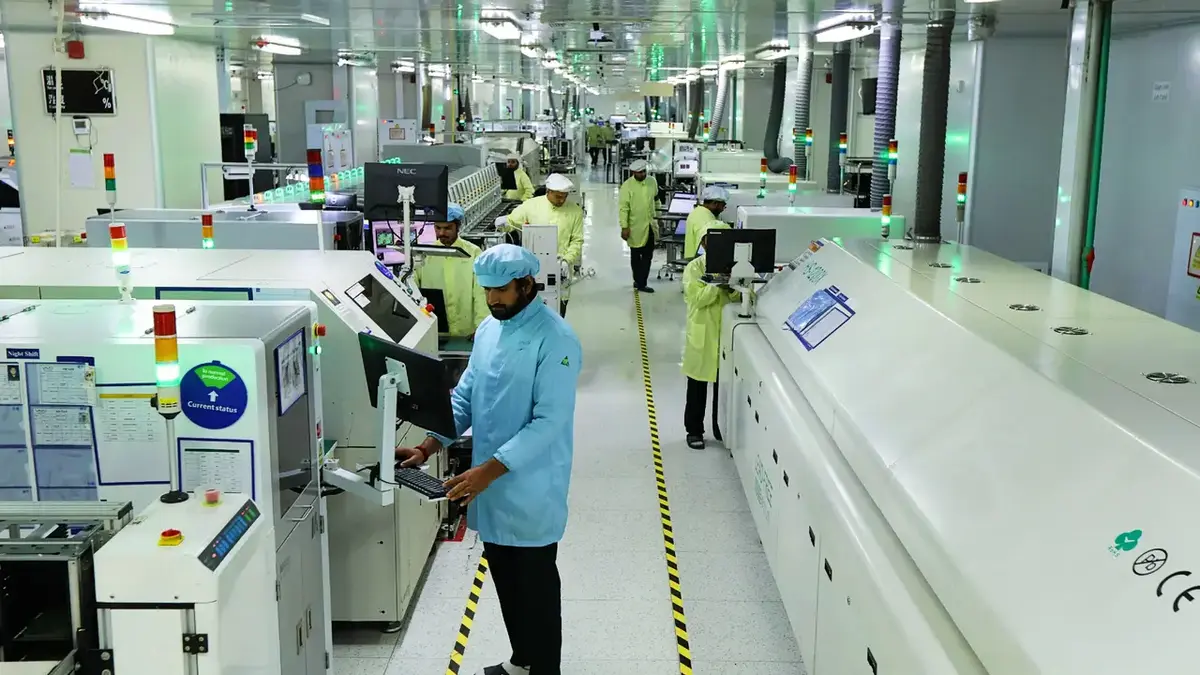
Through this collaboration, Dixon Technologies intends to meet Vivo’s robust domestic market demand while simultaneously offering electronics manufacturing services to other global brands. Company leadership believes this step will significantly bolster Dixon’s footprint within the Indian production ecosystem. According to data from Counterpoint Research, Vivo remains a market leader in India, and this new organizational structure ensures the company remains closely aligned with government industrial policies for future growth.
Global Export Targets Are Being Defined
While Apple currently accounts for 57 percent of India’s total smartphone exports through partners like Foxconn and Tata, Chinese brands have yet to leverage India’s full export potential. Despite their dominance in local sales, their contribution to international shipments remains limited. The partnership with Dixon could serve as a vital bridge, enabling these brands to shift their focus from being purely domestic sellers to becoming significant contributors to India’s global export ambitions.
India is steadily strengthening its role in the global supply chain through advanced electronics manufacturing services.
Competitive Dynamics Are Changing in the Sector
Dixon Technologies already manufactures devices for industry giants like Xiaomi, placing the company at the heart of India’s technological vision. Industry experts suggest that these partnerships create a mutually beneficial scenario, supporting both the commercial interests of the brands and the national objective of deepening domestic manufacturing capabilities. As more firms follow this path, India is expected to evolve from a consumption-led market into a formidable global manufacturing powerhouse. The landscape of the smartphone industry is undergoing a fundamental transformation as production becomes more localized and resilient.
How do you think this shift toward local manufacturing partnerships by Chinese smartphone brands will reshape competition in the global mobile market? Share your insights and perspectives in the comments section below.
Your comment has been submitted,
it will be published after approval.