
Apple Decides Between Hinge Technologies for Foldable iPhone Ultra

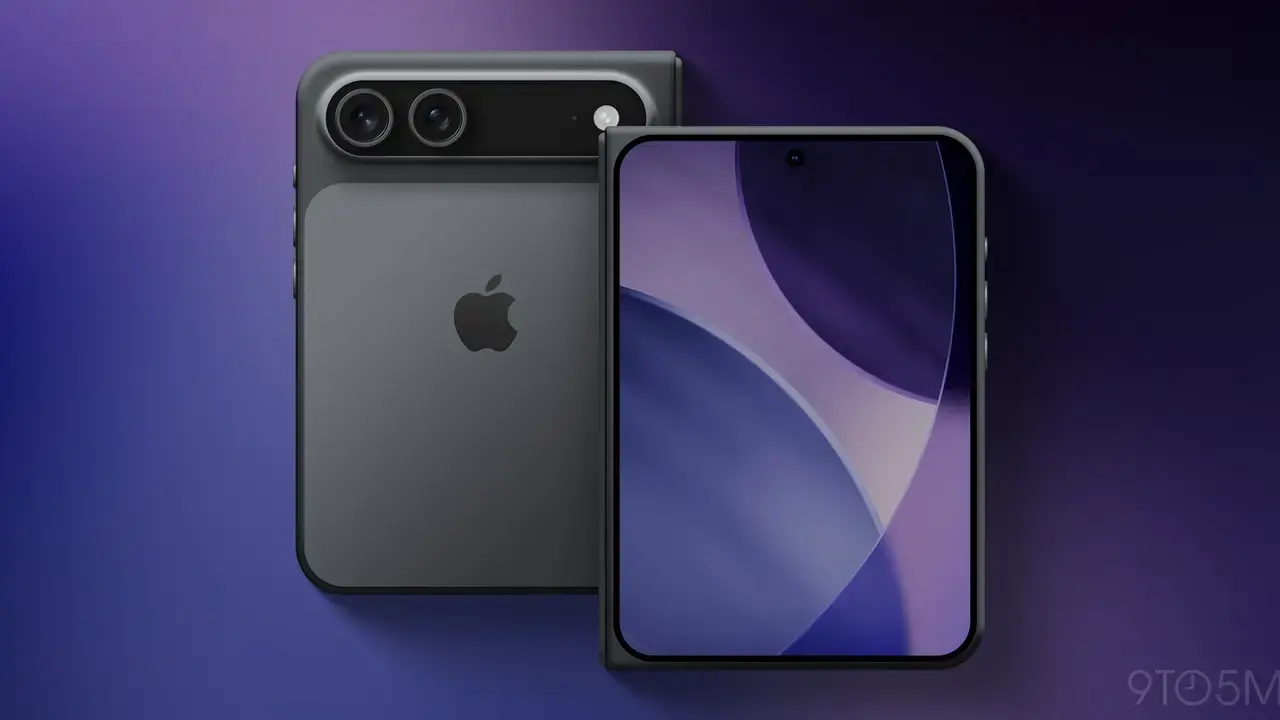
Apple is currently navigating a critical engineering decision regarding the upcoming iPhone Ultra, as the company prepares to enter the foldable smartphone market. Industry reports indicate that Apple executives are finalizing their choice between liquid metal and 3D printing technologies for the device’s hinge mechanism. This selection process, which is expected to conclude by the end of July, will fundamentally shape the manufacturing strategy and long-term durability of the highly anticipated foldable device. By aiming to replicate the seamless, crease-free display experience found in competitors like the Oppo Find N6, Apple is prioritizing mechanical precision to ensure the iPhone Ultra stands out in a crowded market.
- Apple is evaluating whether to utilize liquid metal or 3D printing technologies for the folding mechanism.
- The company aims to achieve a display experience that minimizes visible screen creases.
- A final decision regarding the manufacturing strategy is expected by the end of July.
- The device is projected to enter the market with a starting price between $2,299 and $2,399.
Apple Evaluates Two Distinct Hinge Technologies
The engineering team at Apple is focused on minimizing the display crease, a common flaw in current foldable smartphones. To address this, they are weighing two primary material options. Liquid metal, characterized by its amorphous alloy structure, offers exceptional flexibility and scratch resistance. Unlike traditional metals, it maintains its structural integrity after repeated stress.  However, the complexity involved in manufacturing these components significantly raises production costs and technical hurdles.
The chosen hinge technology will define the device’s lifespan and its competitive positioning in the premium smartphone segment.
Production Strategy Depends on Manufacturing Costs
The potential shift toward 3D printing technology is heavily influenced by ongoing negotiations regarding component supply chains and production capacity. If Apple successfully negotiates lower costs with its manufacturing partners, 3D printing becomes the preferred route for mass production. This method utilizes photopolymer droplets to fill microscopic surface gaps, which facilitates a smoother folding dynamic for the screen. 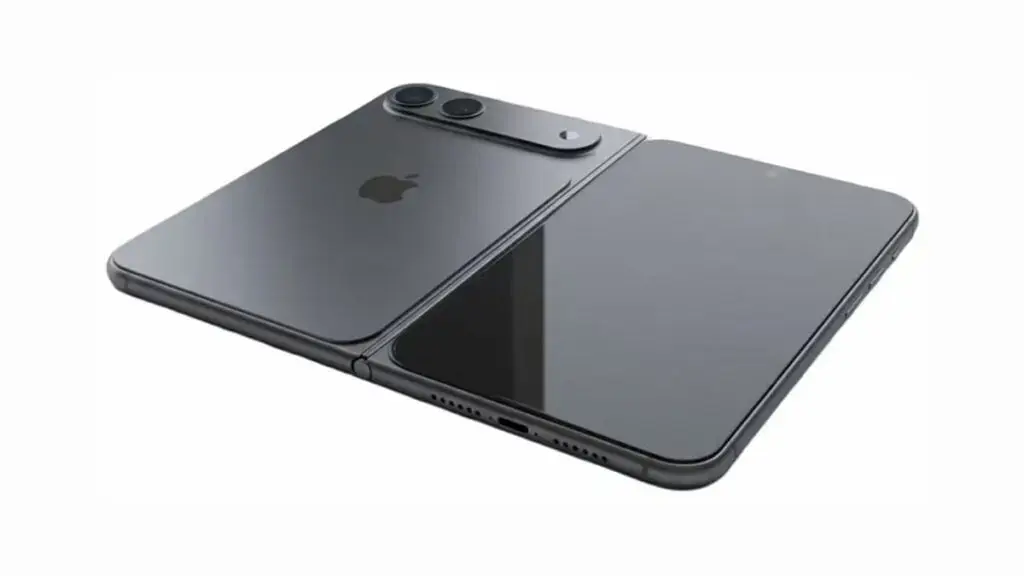
Innovative manufacturing processes, such as those pioneered by the Oppo Find N6, are currently influencing Apple’s design philosophy. While the company initially considered a limited production run using liquid metal, the need to scale volume has made the 3D printing alternative increasingly attractive. This transition reflects a broader trend of integrating advanced additive manufacturing into consumer electronics to achieve higher precision.
The upcoming foldable iPhone is expected to be priced at nearly double the cost of the current iPhone 17 Pro Max.
As Apple continues to refine its strategy, the industry remains focused on how this entry will alter the dynamics of the foldable phone market. Whether the company opts for the resilience of liquid metal or the scalability of 3D printing, the resulting design will likely set a new standard for high-end mobile hardware.
We are curious to hear your thoughts on this development; do you believe that liquid metal or 3D printing offers a more reliable future for foldable smartphone hinges? Please share your insights in the comments section below.
Your comment has been submitted,
it will be published after approval.