
Google Introduces AI-Generated Advertising Labels to Enhance Transparency

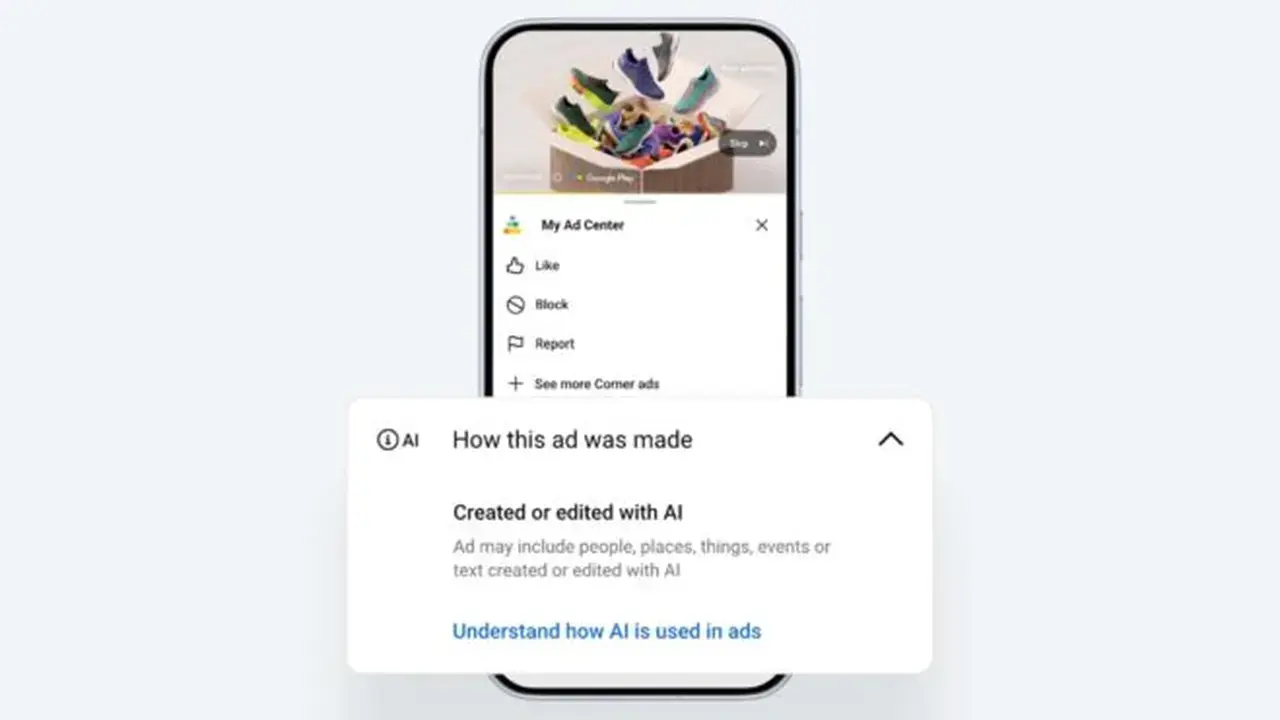
Google has officially announced that it will begin automatically labeling advertisements created or modified by artificial intelligence across its global digital advertising ecosystem. This strategic initiative, revealed by the tech giant this week, aims to provide users with unprecedented clarity regarding the origin of the promotional content they encounter online. By implementing these AI-powered advertising disclosures, Google seeks to address the growing complexity of generative AI tools in marketing while ensuring that both small enterprises and large corporations adhere to evolving industry transparency standards. The feature will initially be integrated into the My Ad Center platform, with visibility expanding to specific regions in compliance with local legal mandates.
- Google is launching an automated labeling system to identify all advertisements produced through generative artificial intelligence.
- Users can verify the AI-origin of specific ads by accessing the information provided within the My Ad Center interface.
- This policy shift mandates transparency for advertisers to align with emerging global regulatory standards.
- The initiative aims to mitigate consumer confusion caused by high-fidelity synthetic imagery and algorithmic text generation.
Transparency Standards are Being Redefined by Google
As one of the world’s largest digital advertising networks, Google is adopting a proactive stance toward the rapid integration of advanced technology in marketing. Company representatives emphasized that they are providing advertisers with accessible tools to remain compliant with shifting technological landscapes. In an era where synthetic content can easily mirror reality, establishing trust is paramount for maintaining the integrity of the digital ecosystem.
Google’s new mandatory disclosure policy fundamentally alters the ethical standards governing digital advertising.
The core of this system involves a clear notification stating that the advertisement has been generated or altered using generative AI. This label serves as a vital indicator for consumers, allowing them to distinguish between organic human-led campaigns and algorithmic outputs. By clarifying the source of complex AI-generated media, the company intends to minimize misinformation and potential deception in commercial spaces. This move reflects a broader commitment to protecting user experience against the challenges posed by deepfakes and automated content.
Legal Requirements are Influencing Global Advertising Policies
The global shift toward stricter AI governance is a primary driver behind Google’s latest policy update. Multiple jurisdictions have already begun codifying laws that require the explicit labeling of synthetic media in advertising. Rather than merely reacting to these regional mandates, Google is establishing a universal transparency policy that sets a high bar for the entire industry.
Updated advertising policies that align with technological progress create a safer environment for digital users.
Transparency is not just a regulatory hurdle but also a potential asset for brand credibility. When consumers are informed about the technology behind an advertisement, they are more likely to develop a sense of trust in the brand’s communication methods. Google’s infrastructure is designed to help advertisers adapt to these requirements seamlessly, ensuring that businesses can continue their operations without interruption. As artificial intelligence continues to reshape the landscape of marketing, the scope of these labeling systems is expected to expand to cover emerging formats and interactive media.
Do you believe that labeling AI-generated advertisements is a sufficient measure to combat misinformation in digital spaces, or should platforms implement stricter verification protocols? Please share your thoughts and perspectives in the comments section below.
Your comment has been submitted,
it will be published after approval.